Archive for the 'General Health Tips' Category

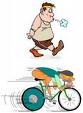
Why People Dont Exercise….

October 10, 2007

2533140067.jpgAs physicians, we always encourage people to be active. Patients know they need to exercise to feel better, to reduce their chances of developing diseases and of course to help “cure” and treat their ailments like arthritis or obesity.

It is therefore not surprising that in one survey done in UK that even the threat of premature death to NON exercising adults did not bother them to change their lifestyle.  In short… health may not be a primary reason for people to exercise! 

In that new survey by The British Heart Foundation,

  •  When the participants were asked if they would do more exercise if their lives depended on it… only 38% of the subject said YES!
  •  TAKE NOTE: Less than one-twentieth of UK adults say they find exercise enjoyable.

One important information we gathered from that survey is this alarming notion that HEALTH is not the Main reason for them to exercise:

  • The greatest motivation to exercise seems to be the desire to change one’s body shape especially among younger adults and women.  And this maybe true worldwide!
  • About one-in-three young adults said that if they saw an unflattering photo of themselves they would do more exercise. And again this is common sense reason but not sufficient enough to be the prime motivator!
  • Only 7% of women and 13% of men has their main motivation for doing exercise is to maintain a healthy heart.  Whew… just SAD!!!!!

According to the British Heart Foundation, the rate of death in UK is one every fifteen minutes because people did not do enough exercise.  But in spite of all these information, doing exercise is not a priority!

This survey is so important to all of us because indeed THIS IS REALITY!  Look around you or even ask yourself…what are you doing NOW to help keep yourself healthy?  Are you exercising enough or following your doctor’s recommendation to exercise?  OR still the same…reasons after reasons for NOT exercising!

Please do visit my other posts on exercise and physical activity tips because doing the right exercise does not mean going to a gym but just staying home!

Do Your Body Some Help…Exercise For Health!

The Good and The Bad Cholesterol…

October 9, 2007

2840505959.jpgWe know the bad effects of cholesterol in our body.  Marketing strategies have incorporated cholesterol as part of the game plan: low fat,  low cholesterol, no cholestrol in their products.  As physicians, we also take note of patients lipid profile which gives us the whole picture on patients cholesterol profile.  It is therefore not sufficient to jut check a total cholesterol because ones total cholesterol may be high because of a high Good cholesterol or HDL.  Targeting the BAD cholesterol or LDL has been the mainstay in our practice especially among our patients with high blood pressure and diabetes.  Our goal is to reduce a patient’s risk to suffer from a stroke or heart attack! 

But is lowering LDL or the bad cholesterol enough to decrease a patients risk?  And how important is the Good cholesterol in the equation?

Recently a study published in the NEJM September issue  looked at this specific question and showed that Both should be addressed.  

_____________________________________________

Background High-density lipoprotein (HDL) cholesterol levels are a strong inverse predictor of cardiovascular events. However, it is not clear whether this association is maintained at very low levels of low-density lipoprotein (LDL) cholesterol.

Methods : A post hoc analysis of the recently completed Treating to New Targets (TNT) study assessed the predictive value of HDL cholesterol levels in 9770 patients.

Results : The HDL cholesterol level in patients receiving statins was predictive of major cardiovascular events across the TNT study cohort, both when HDL cholesterol was considered as a continuous variable and when subjects were stratified according to quintiles of HDL cholesterol level.

Even among study subjects with LDL cholesterol levels below 70 mg per deciliter, those in the highest quintile of HDL cholesterol level were at less risk for major cardiovascular events than those in the lowest quintile (P=0.03).

Conclusions: 

  •  In this post hoc analysis, HDL cholesterol levels were predictive of major cardiovascular events in patients treated with statins.
  • This relationship was also observed among patients with LDL cholesterol levels below 70 mg per deciliter.

________________________________________________

Lowering the LDL or bad cholesterol will remain the primary goal of therapy while not neglecting to make sure that the HDL should be made higher than 45 mg/dl.  Dietery intervention can only do so much in lowering LDL but we have ways to increase the HDL by dietary and behavioral means including exercise.Do check my post on How to Increase Your HDL for further tips in what to eat and do to improve your HDL!

In Health: Its The Balance Between the Good and The Bad!

Eating Together As A Family… Is Healthy!

October 5, 2007

2746116766.jpgSpending quality time with your kids have a lasting impact not only in the way children will remember us as caring parents but have been shown to have lasting impact in the way these kids eat as adults.  The way kids eat help the way they shape their health because lifestyle habits have been shown to have the most impact if started early in life!

A new study that looked at the impact of eating together as a family involved more than 1,500 students surveyed once during high school and again when they were 20 years old specifically ” to determine the long-term effects of family meals on diet quality, social eating, meal structure and meal frequency.” This study published in  September Journal of the American Dietetic Association gives us a glimpse that the truth of all the problems we have now in terms of poor eating habits among our children may stem from the fact that we may not be spending enough time with our kids….

____________________________________________

The Objective: To describe meal patterns of young adults and determine if family meal frequency during adolescence is associated with diet quality, meal frequency, social eating, and meal structure during young adulthood.

Surveys and food frequency questionnaires were completed by 946 female students and 764 male students in high school classrooms at Time 1 (1998-1999; mean age 15.9 years) and by mail at Time 2 (2003-2004; mean age 20.4 years).

Results:

  • Family meal frequency during adolescence predicted higher intakes of fruit, vegetables , dark-green and orange vegetables, and key nutrients and

  • Family meal frequency was associated with lower intakes of soft drinks during young adulthood.

  • Frequency of family meals also predicted more breakfast meals in females and for both sexes predicted more frequent dinner meals.

  • Family Frequency also was associated with higher priority for meal structure , and higher priority for social eating.

Conclusions : Family meals during adolescence may have a lasting positive influence on dietary quality and meal patterns in young adulthood.

____________________________________________

There you go my friends.  Children need our help, our support and our guidance.  They should be taught well the younger they are the better! They need our company not only for fun but to know whats right and proper…including choices of the right healthy food!  Meaning as parents we should also set the right example of what to eat and what NOT to eat!

Make sure we take time to earn a living but not to forget that we have other obligations to our children and family!  Its should be a good balance in life that one should aim for… that can make one a better person both as a family man and as a good individual in the society.

Ensure the health of our children… one way is to….

Spend More Time With Your KIDS!

On Why America Is Becoming Overweight!

October 4, 2007

231112061.jpgAmerica as a nation is really becoming “overweight”.  Inspite of what we know about obesity and its dreaded complications, the urge to eat or the habit to enjoy food continues to be a challenge especially among Americans.

During this recent trip to San Antonio, Texas… everything seems to be status quo.  Nobody seems to care about the kind of food that is being ordered or served in the restaurants to the amount or serving sizes that everyone is given as choices.  Or are there choices?  It seems that if one orders the regular portions of food, you just cant seem to finish them all… but I guess to them… these portions are but the routine servings that they know of since they were kids! I guess this comes to what they been exposed to since childhood…they see what their parents eat and therefore its the norm!

Steaks abound in every resto we go to.  With the food comes mashed potastoes…and you are given the choices of butter, mayonnaise or garlic.  Not a simple boiled potato but a potato laced with other stuff! Next comes the salad…but its laced with fat because of its dressing! Whew…. you really can gain weight in America!  So am just happy to be back home and settle with the usual small servings that we get and the way we cook our food.

Likewise… am not sure but I think BUFFET was discovered in America.  This has made matters worst!  The problem is… we are also starting to be enjoying buffets and you can see it being offered by our local restaurants as well.  No wonder, our country is one place that is expected to have a dramatic rise in obesity in the Asia Pacific region.

Am not sure how the US will be able to combat her battle of Obesity. Its the attitude that should change… and should start from the young!

Otherwise…San Antonio as a city was pretty quiet, rich in history and remarkably safe as we only rented a car and drove the place on our own to explore!  Of course, my friends and I did this only after we have studied and learned the newest things in Endocrinology during this past year.

It’s What We Eat That Counts!

The Best Way To Exercise….

September 21, 2007

imagese.jpgExercise as we all know has all the benefits to promote and maintain health.  Several guidelines have come up based solely on experience rather than observed studies.  Recently, a new study looked at and concluded thast there indeed is  a significant impact and benefit of both aerobics and resistance training among diabetic subjects as published in the Annals of Internal Mediicne , Sept issue.

However, when the general issue of exercise is discussed… the main question has been… what’s the best way to exercise? How long and how much activites are needed to protect oneself from illness.

Recently the American Heart Association published their guidleines  in association with the American Society of Sports Medicine. Through these guidelines, we can have a better understanding with regard to the question of how to exercise and how to do it best.

___________________________________________

  • all healthy adults aged 18 to 65 years need moderate-intensity aerobic physical activity for a minimum of 30 minutes on five days each week or
  • vigorous-intensity aerobic activity for a minimum of 20 minutes on three days each week.
  • Combining these exercises is also acceptable

What To Exercise:

  • walking briskly or
  • performing an activity that noticeably accelerates the heart rate for 30 minutes twice during the week
  • jogging for 20 minutes, or
  • performing any activity that causes rapid breathing and a substantial increase in heart rate on two other days.
  • moderate- and vigorous-intensity exercises are complementary to daily living
  • Muscle-strengthening activities are advised 
  • Shorts bouts of activity — 10 minutes or more — can be combined to meet the 30-minute daily goal. 

____________________________________________

We know exercise works.  We know its almost always a doctor’s advise with regard to controlling weight, blood pressure, or cholesterol and blood sugar.  It is an important lifestyle change that each individual should pursue.  It is really easier said than done BUT the new guidelines have set up a compormise.  Short bouts of exercise is better than none and combining the total bouts of exercise as long as they accumulate to 30 minutes should do the trick in helping us build a healthy lifestyle.

There you go….  New Rules on an Old Issue.

Exericise Is Still The Best Prevention….

The Role of Vitamins and Antioxidants In Preventing Heart Disease

September 20, 2007

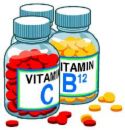
2334916729.jpgJust recently, I came across a patient who brought all his supplements mainly vitamins apparently given by his nephew residing in the US.  He is one of the many patients who complains of taking too many medications for his diabetes… but unmindful of the other extra drugs in a form of vitamins.

  It is always true that Diabetics will require multiple drug therapy due to concomitant illneses associated with it like Hypertension and High Cholesterol.  These supplements always include Vitamin C, E or B because apparently it is their belief that these supplements boost their immune system… and can protect them from getting heart disease or cancer.  But what is the truth to this claim or is it worth taking these vitamins?

We know from multiple studies that these vitamins as antioxidants just dont work as claimed.  However marketing strategies of suplement makers have made convincing claims that they do have an impact but proven otherwise.

Recently, a study looking at the role of these vitamins in preventing heart disease was published in the Archives of Internal Medicine and reexamined this issue:

___________________________________________

Methods  The Women’s Antioxidant Cardiovascular Study tested the effects of ascorbic acid (500 mg/d), vitamin E (600 IU every other day), and beta carotene (50 mg every other day) on the combined outcome of myocardial infarction, stroke, coronary revascularization, or CVD death among 8171 female health professionals at increased risk in a 2 x 2 x 2 factorial design.

Participants were 40 years or older with a history of CVD or 3 or more CVD risk factors and were followed up for a mean duration of 9.4 years, from 1995-1996 to 2005.

Results and Conclusion:  There were no overall effects of ascorbic acid, vitamin E, or beta carotene on cardiovascular events among women at high risk for CVD.

______________________________________________________

The above findings are consistent with other trials looking at this matter against a cardioprotective effect from any of the these vitamins.  What is important however is the absence of any harm form taking these pills in this study in contrast to earlier studies that showed the intake of these antioxidants actually increase ones mortality.

Lastly… it is also important to emphasize that the vitamins were talking about here are the pills or the vitamin supplements and NOT the dietary sources of these vitamins which have been shown to be protective aginst heart disease in several observational studies.

Be Healthy…Through Proper Lifestyle NOT PILLS!

A Simple Blood Test To Determine Your Risk for Diabetes…

September 17, 2007

imagesx.jpgIf you think you are at risk of developing diabetes, our recommendation for now is to check your fasting blood sugar.  This is a test always included in executive panels.  However a more important measure of diabetes control is called A1c.  It is being done every three months among our diabetic patients to check their control or compliance to their medications.  Now a new study has supported the possible role of this blood test in predicting a patient’s risk of developing diabetes.

This study published in the American Journal of Medicine looked at a cohort of subjects in the Nurses Health Study and established the possible linked of A1c and the future risk of developing diabetes:

 ___________________________________________

(HbA1c) is a marker of cumulative glycemic exposure over the preceding 2- to 3-month period.   The authors examined baseline HbA1c levels as a predictor of incident clinical diabetes in a prospective cohort study beginning in 1992 of 26,563 US female health professionals aged 45 years or more without diagnosed diabetes or vascular disease (median follow-up 10.1 years).

Results: During follow-up, 1238 cases of diabetes events occurred.  After multivariable adjustment, HbA1c remained a strong predictor of diabetes.

 In analyses of threshold effects, adjusted relative risks for incident diabetes in HbA1c categories of less than 5.0%, 5.0% to 5.4%, 5.5% to 5.9%, 6.0% to 6.4%, 6.5% to 6.9%, and 7.0% or more were 1.0, 2.9, 12.1, 29.3, 28.2, and 81.2, respectively.

Conclusions:  HbA1c levels are elevated well in advance of the clinical development of type 2 diabetes, supporting recent recommendations for lowering of diagnostic thresholds for glucose metabolic disorders.

___________________________________________

It has been a continuing debate whether to use A1c as a diagnostic tool for diabetes.  We are using it to assess control rather than diagnosis.  We know that the higher the A1c… the higher the risk of complications of diabetes espcially death and heart attacks.  Therefore, we should impart the information to our diabetics that lowering A1c is lowering your risk to suffer from disability!

Now, our focus is for those at risks and those with apparently no risks to embark on a healthy lifestyle to avoid getting this chronic disease strongly associated with obesity and poor lifestyle!  If in doubt, we may be able to use this simple blood test to determine our risk… and if indeed that risk is high… it can be a better motivational tool to change lifestyle and be better in terms of choices of food and more physical activity!

The study has shown that in those with no risk… checking A1c can predict the outcome. That if ones A1c is >5% ; the risk to develop diabetes in the future starts to double!

Be Proactive… Better to Check Early Than Have The Disease!

The Danger of Eating French Fries…or Why Trans Fat Is Bad!

September 15, 2007

I have been an advocate of avoiding fried foods.  However firm we are in avoiding frying foods, you sometimes cant help and avoid enjoying eating foods that are fried…not only are they crunchy but they also taste so good.  So resisting the temptation to enjoy great food is difficult. But at the expense of health and heart attacks!

I came across a recent article in the Harvard Medical School Health Publication: HealthBeat which I want to share especially to parents who allow their kids to enjoy french fries almost at every meal.

________________________________________

 If you needed another reason to avoid trans fats, here it is. Researchers with the ongoing Nurses’ Health Study measured the amount of trans fat stored in red blood cells. Among the 32,000 middle-aged women participating in the study, 166 had heart attacks or died of heart disease during a six-year period. Their red blood cells had slightly higher loads of trans fat than did red blood cells of 327 women of the same ages and characteristics who remained free of heart disease.

Artificial trans fats are found in hard margarines, many commercially baked goods, and the fried foods in many restaurants, and research has consistently shown they aren’t good for the heart and blood vessels. Across the board, the more trans fat in red blood cells, the greater the chances of having a heart attack. Women with the highest trans fat load had triple the risk of women with the lowest. This study, published in the April 10, 2007, Circulation, strongly supports recommendations by the Institute of Medicine and the USDA’s Dietary Guidelines for Americans to cut back — or better yet, cut out — trans fats in the diet. Eliminating them from the food supply could avert as many as 264,000 heart attacks and heart-related deaths each year in the United States alone.

Trans Fats at Home and Abroad

A prime source of trans fat is partially hydrogenated oil, which many fast-food restaurants continue to use for deep frying. To see if this differed by country, three Danish doctors determined the trans fat content of French fries and chicken nuggets bought in 24 McDonald’s and KFC restaurants on four continents. As shown above, a large fries-and-nuggets combination delivered 10 grams of trans fat in New York City but less than a gram in Denmark, which limits the use of trans fats. A similar serving of fries and chicken nuggets in a KFC in Hungary delivered a whopping 25 grams of trans fat.

_________________________________________

Anothr reason to be alarmed over what we preceived a s a way of showing affection and reward to our kids… Crunchy fried chicken and french fries.  If we indulge in these kinds of foods once in a while or only during children’s parties .. its acceptable BUT if our kids eat only fried foods because that’s the only food they will eat then it will do no good to their future!

Start training them young.  My friend Maxim is one nice guy to dine with because he’s health conscious and therefore you tend to follow what he eats or be conscious of what you order.  And I guess there is so much truth to the study that showed…if your friends are obese, the more likely you will too….

A Feast with French Fries is A Feast with Trans Fat!

Jogging and The Risk of Heart Disease…

September 14, 2007

imagesqwa.jpgPrevious studies have linked city pollution to ishcemic heart disease.  The mechanism of which was not really studied well until recently.  It has been shown that ambient air pollution is associated with increased cardiovascular morbidity and mortality.

Jogging as an exercise is perfect.  It promotes well being and health.  But the place where one jogs should be considered especially with the findings below published in New England Journal of Medicine in 2007, regarding the risk of cardiovascular disease and air pollution:

________________________________________

Brief exposure to dilute diesel exhaust promotes myocardial ischemia and inhibits endogenous fibrinolytic capacity in men with stable coronary heart disease. Our findings point to ischemic and thrombotic mechanisms that may explain in part the observation that exposure to combustion-derived air pollution is associated with adverse cardiovascular events.”  

____________________________________

The most likely mechanism of the above maybe genetics as explained in one study published also almost at the same time in Genome Biology, 2007.

________________________________________ 

Diesel exhaust particles and oxidized phospholipids synergistically affect the expression profile of several gene modules that correspond to pathways relevant to vascular inflammatory processes such as atherosclerosis.

________________________________________

I promote wellness through proper choices of food and physical activity.  These studies point out that patients with pre existing risk factors for heart disease should avoid being in areas where exposure to air pollution is present.  Exercising therefore in an area within the city where combustion particles are part of what you’ll inhale should be avoided.

I guess running a marathon in Boston area or any city for that matter can therefore have an impact on one’s risk and therefore should be reconsidered.

So running is good for the heart but for now avoid the city!


Smoking and The Heart…

September 13, 2007

2752053521.jpgWe know that smoking is bad.  But we still see lots of people in the streets enjoying their time smoking as if they’re oblivious to the ongoing damage that smoking has on their bodies.  It is said that the acute effects of smoking can occur within 30 seconds of inhaling that smoke… THAT FAST!  The part of the blood that is responsible for clotting… the platelets will then get stickier, and the lining of the blood vessels will no longer function well.

 One study that was presented during the European Society of Cardiology Scientific Sessions in Austria, was looking at the impact of banning smoking in workplaces in Ireland.  You see in Europe, you can still see places where smokers mingle with non smokers.  And Ireland was the first to do this in 2004.  At one time in Vienna, we have to move places or even change to another venue because my brother and I just can tolerate the smell of smoke.  It is just unfair that we be exposed to the danger of smoking when we dont smoke… the same is true to wives of husbands who smoke.. more so the children!

In the study, the investigators noted that since the introduction of a smoking ban in Ireland in 2004 , they were able to note a decline in the rate of admission of heart disease by 11% within 1 year of implementing the ban… a reduction that occurred mainly in males.

This observational study is significant because it impacts on reducing a patients risk to suffer from heart disease by avoiding the risk of second hand smoke.  Likewise, it is expected that with the smoking ban, individuals in the restaurant or public places who want to enjoy a cup of coffee who are non smokers are removed from that threat and the impact of this should be noticed right away.

The impact howevre will be higher on the smokers who will give up smoking because they are at the highest risk of developing heart disease and by giving up smoking, that risk declines very rapidly, as early as within a year!

Avoid The Smoke- It Can KILL!

Is There A Link Between Junk Food and A Hyperactive Child?

September 11, 2007

imagesaqw.jpgHave you noticed your child to be hyperactive after eating chocolates? or candies or after drinking artificially colored drinks?  I see them often when parents bring their kids to my office while having their regular check ups.  These kids almost always are munching on junk foods!  And I guess we may be right that certain foods can indeed trigger the hyperactivity of a child which in itself maybe linked to Attention Deficit Hyperactivity Disorder or ADHD as a disease.

A new study published in Lancet has provided us a new proof regarding this link between food additives like food coloring and hyperactive state. 

________________________________________________________

The study involved 300 children between 3-year-olds and 8- and 9-year-olds. Over three one-week periods, the children were then assigned to consume fruit drinks daily:

  • one contained additivies typically found in childrens diet
  • a second drink had a lower concentration of the additives
  • a third was additive-free.
  • All the drinks looked and tasted alike.
  • Qualities such as restlessness, lack of concentration, fidgeting, and talking or interrupting too much were then evaluated on each child.

________________________________________________________

The study showed that kids were more hyperactive in the first group with the highest additives in the drinks that usually occur within 1 hour after consumption.  These are additives we usually get from eating candies and other junk foods.

The above findings have the clinical implications to those whose children get the most attention from teachers in school because of restlessness and hyperactivity.  This study is also the first to note a link between food additives typically seen in drinks,  candies or chocolates and junk foods that our children love to eat!

What more with the yummy candy and junk food ads our children see on TV? No wonder we are diagnosing more and more children with hyperactive behavioral problems.  Just look around any pediatrician specializing in hyperactive child, and you’ll have problems getting an appointment.

Go For The Healthier Alternative!

Can Coffee Prevent Skin Cancer?

August 30, 2007

coffee_drinker_print_web.jpgI was asked whether drinking coffee would be better than drinking caffeineated soda.  Trying to cut down on coffee but increasing intake of the diet soda may in fact not be a good idea because of the many studies linking coffee and health benefits.

A new study showed that a cup of coffee before going to work especially after a morning exercise can be healthy especially for the skin. This study published in the Proceedings of the National Academy of Sciences, July 30, 2007,  shows the combination of caffeine and regular exercise “appears to help kill some of the precancerous cells damaged by the sun’s ultraviolet-B (UVB) radiation.”

The study was done using mice where one group of mice drank the human equivalent of two cups of coffee a day while the other group voluntarily ran , and a third did both.  All the subjects were then exposed to UV radiation from lamps that damaged their skin cells.

Results: The rate of cell death among the precancerous cells was highest in the group that drank caffeine and exercised.

Implications: If precancerous cells destined to be cancer can be aborted by whatever mechanism then it has a tremendous impact in the prevention of disease.  This new data therefore is promising because this shows that drinking coffee can probably be of benefit to the prevention of skin cancer.

This is just one of the many health benefits now attributed to drinking coffee.  Is it the caffeine itself or also the coffee in itself that has benefits need to be answered.

So Grab A Cup and Enjoy The Taste for Health!

Read My Other Related Articles:

Just A Plate A Meal…To Make You Lose Weight

August 27, 2007

I’ve been counseling my patients with regard to a meal that they should only eat the foods that can fit in a plate and that’s it! I have written about it here in my website: The Will Power To Stop the Urge To Eat suggesting that the food should consist of rice, 2 slices of meat, 2 cups of vegetables and a fruit.  I was actually happy to know that a August 2007  article in the Harvard Health Letter recommends the same concept:

__________________________________________________

Balance your plate

Balance Your Plate

A balanced plate helps you reduce your total calories, reduce the saturated fat and carbohydrates in your diet, and increase heart-healthy nutrients like antioxidants, B vitamins, and fiber.

It’s also important to make sure you’re getting all the important nutrients your body needs. Here’s an easy way to see if you’re eating a well-balanced meal. As you prepare or serve your food, think of a three-section plate.

In the big section (half of the plate), serve yourself two different vegetables or a vegetable and a fruit. In one of the two smaller sections (a quarter of the plate), put a serving of fish, poultry, beans (like black, pinto, or kidney beans), or another healthy protein. Fill the remaining section with a whole grain, such as brown rice or a whole-wheat roll, or another healthy carbohydrate.

As you divide your plate, keep in mind that vegetables are not all the same. Starchy vegetables-sweet potatoes, peas, corn, and winter squash-have about triple the amount of calories and carbohydrates as nonstarchy vegetables. So reserve the vegetable section for the likes of broccoli, leafy greens, tomatoes, carrots, and green beans. And put starchy (but nutrient-filled) vegetables in the carbohydrate quarter.

A balanced plate helps you reduce your total calories, reduce the saturated fat and carbohydrates in your diet, and increase heart-healthy nutrients like antioxidants, B vitamins, and fiber.

__________________________________________________

Simple and Balanced… Easy to remember.  It is the concept and remembering it that counts.  I have been sticking to this simple formula for a long time and I myself is doing this to limit and balance my meals.  Likewise this is one way to limit intake and therefore lose weight.

BUT on very important maneuver to do to make this diet a success is to avoid further visual stimulation by leaving the table after consuming the food in the plate!  Otherwise the temptation to eat more will overcome the discipline to eat the balanced meal prepared on the plate!  Guilty? 

A Balanced Diet In A Plate For Health!

The Importance of An Annual Check Up

August 25, 2007

2713261149.jpgDo we need annual physical exam? Why and How soon?

Actually there is still an ongoing debate as to whether annual exam is necessary or helpful.  Several institutions have abandoned the requirement of subjecting healthy subjects to this annual routine.  But in a recent survey published in the Archives of Internal Medicine … majority of the doctors and patients alike i.e. 9 out 10 surveyed out of the 800 still believe that annual physical exam do more benefits than harm.

In a recent publication from the Annals of Internal Medicine, Feb 2007 issue, a study was done to determine if indeed it is beneficial to have one:

_______________________________________________________

Data Synthesis: The best available evidence assessing benefits or harms of the Physical Health Exam or PHE consisted of 21 studies published from 1973 to 2004. The PHE had a consistently beneficial association with patient receipt of gynecologic examinations and Papanicolaou smears, cholesterol screening, and fecal occult blood testing. The PHE also had a beneficial effect on patient “worry” in 1 randomized, controlled trial but had mixed effects on other clinical outcomes and costs.

Conclusions: Evidence suggests that the PHE improves delivery of some recommended preventive services and may lessen patient worry. Although additional research is needed to clarify the long-term benefits, harms, and costs of receiving the PHE, evidence of benefits in this study justifies implementation of the PHE in clinical practice.

_______________________________________________________

This study has showned that one or more well visits per year may actually be beneficial to patients and doctors alike by improving patient- doctor relationship as well as alleviate patient’ worries.

By having an annual exam, one is able to check the onset of certain conditions where the abnormality will not show symptoms but may manifest initially with a biochemical or laboratory abnormality.  Healthy subjects specifically with a family history of known inherited conditions like diabetes, hypertension or high cholesterol will definitely benefit by having one.  More so with patients whose parents have a history of tumors or cancers of whatever organ should have routine annual exam.

Routine tests that have been shown to be beneficial in screening includes a fasting blood sugar, liver function tests, lipid profile to check cholesterol, occult blood and urinalysis.  Certain procedures like pap smear and breast exam for women are also beneficial since early detection and diagnosis of cancer have a big impact in terms of disability and survival.  What’s more, there did not appear to be any harm associated with period health exams, including undergoing inappropriate tests or excessive costs.

So when should one have an annual health exam? 

  • If you have a family history of chronic diseases like diabetes or heart disease … I would recommend to do the exam ealrier after the age of 30.  Majority of heart attacks is due to diabetes and the early a diagnosis of diabetes is done the better is the outcome in terms of control and prevention of complications. 
  • Between the age of 40 to 50 if you have a family history of certain tumors where occult blood testing or flexible sigmoidoscopy would be helpful
  • Otherwise after the age of 50 should be a reasonable age to do the annual exam for an otherwise healthy individual.

As the saying goes: 

It Is Better To Be Early Than Sorry…

Grapefruit and Your Medications…

August 24, 2007

2592766622.jpgIt is very important that one should be careful with food to drug or drug to drug interactions.  It is for this reason that as physicians, we are so careful in allowing our patients to take any medications without our knowledge.  Chinese medications for example can be a headache because patients can just buy them anywhere.  They work BUT what do they contain and what are the side effects?

Similar problems can be encountered with foods like fruits.  Take grapefuit as an example. I was asked this question several times so I thought of sharing this information to all.

There’s no question that grapefruit juice provides many nutrients, such as vitamin C and lycopene or fiber that can help lower cholesterol and triglyserides.  But  the pulp and the peel can also contain chemicals that can affect the actions of certain medications by interfering with the enzymes that break down the drugs in your digestive system. This interaction can be deleterious as the patient can have an excessively high levels of the active drug compound resulting in an increased risk of serious side effects.

This caution includes dietary supplements that contain grapefruit bioflavonoids – because in itself…it can also interact with certain medications. So be sure to read labels of your viatmins that may contain this compound.

Below is the list of drugs that one should avoid if you are a fan of grapefruit or better still take caution with these drugs if you eat grapefruit.  The list came from the Mayo Clinic Health Site.

Grapefruit and drug interactions
The following drugs are known to have potentially serious interactions with grapefruit products, tangelos and Seville oranges.
Drug name Type of drug
Carbamazepine (Carbatrol, Tegretol) An anti-seizure medication
Buspirone (BuSpar), clomipramine (Anafranil) and sertraline (Zoloft) Antidepressants
Diazepam (Valium), triazolam (Halcion) Tranquilizers
Felodipine (Plendil), nifedipine (Adalat, Procardia), nimodipine (Nimotop), nisoldipine (Sular) and possibly verapamil (Isoptin, Verelan) Calcium channel blockers used to treat high blood pressure
Saquinavir (Invirase) and indinavir (Crixivan) HIV medications
Simvastatin (Zocor), lovastatin (Mevacor, Altoprev) and atorvastatin (Lipitor), simvastatin-ezetimibe (Vytorin) HMG-CoA reductase inhibitors used to treat high cholesterol
Cyclosporine (Neoral, Sandimmune), tacrolimus (Prograf) and sirolimus (Rapamune) Immunosuppressant drugs
Amiodarone (Cordarone) A drug used to treat and prevent abnormal heart rhythms (arrhythmias)
Methadone Pain relief medication
Sildenafil (Viagra) Erectile dysfunction medication

Other sources of Vitamin C like oranges, and lemons are okay to eat and have not been shown to affect drug levels.

Remember, the effect of this food to drug interaction can last from 1 to 3 days so please advise your doctors especially if you are taking certain drugs whose level if they go up can have serious effects like the blood thinning medication warfarin or coumadin.

The bottom like is: … dont take anything without checking!  Please be very cautious in taking supplements or chinese medications. Check with your doctors first.  Dont believe your friends or the advertisers that they’re safe!

I guess it’s the same thing in business and personal relationships … dont get into something that you are not sure of because trouble will hit you and hit you HARD!!!!

Better To Be Sure Than SORRY!

Foods To Avoid If You Have Migraine

August 23, 2007

249069055.jpgMigraine is not an uncommon complaint among friends and patients.  It is pretty bothersome, and can make your day irritating and stressful.  It can occur anytime if a a trigger food is ingested.  These headaches usually start  within 20-25 minutes after consuming these products.  You may notice it coming if you start complaining of  pressure in the chest and in the face, sometimes burning sensation in the chest, neck or shoulders accompanied by facial flushing and dizziness.  The headache can occur across the front or sides of the head.  Some patients may complain of feeling nauseated due to the associated dizziness.  Treating this headache can also be challenging as simple paracetamol may not do the trick.  Preventing the occurence of this headache is therefore of paramount importance to avoid having a bad day ahead!

So which specific food triggers have been shown to be the culprits and therefore should be avoided:

  • Tyramine containing foods found natu.rally in aged cheeses, and also found in red wine, alcoholic drinks, and some processed meats.
  • Food additives/preservatives like nitrates and nitrites found in hot dogs, ham, sausage, and other processed or cured meats.
  • Monosodium glutamate (MSG) in Chinese food.
  • Alcohol — specifically the impurities in alcohol or by-products your body produces as it metabolizes alcohol.  Culprits include red wine, beer, whiskey and champagne
  • Caffeine: coffee, chocolate, tea, colas, sodas
  • Pepperoni, hot dogs, luncheon meats
  • Bread and other baked goods and crackers
  • Dried fruits
  • Smoked or dried fish
  • Potato chips
  • Pizza, peanuts, peanut butter
  • chicken livers, and other specific foods and

Likewise for my diabetics…artificial sweeteners like aspartame can be bad triggers of headaches.  Also to be avoided are any COLD beverages especially after an exercise. Sensitivity to ice cream has been reported among migraine sufferers so avoid the temptation!

Trigger Free To Be Migraine Free!

Why You Should Not Take Supplements….

August 22, 2007

imagesghy.jpgSupplements are always promoted as healthy alternatives to the usual medications doctors prescribe.  The marketeers are always advertising the products as devoid of any side effects because they come from “natural sources” of which the labeling may not actually tell us what they are and where they come from.  But almost always our patients are “tricked” into buying them because of the ads on TV or radio based on testimonials that they can cure a variety of ailments or based on the “convincing” strategy of the expert sellers. 

The US FDA and local BFAD have been very lenient with this multi-billion dollar industry in terms of limiting their exposure to the public lest their products can harm.  Instead you see them proliferating with seals of aproval from these agencies as” approved by BFAD”.  Although there is always a label ” No Therapeutic Claim” but who reads them when all the patients hear are the blubbering testimonials and ads on TV and radios….

One recent example of what can happen if these products go undetected is the recent warning of a supplement which actually contained an Anticholesterol agent.  Although the product is approved for use as a drug…but if it is present in a supplement, the patients taking them may not mind checking for possible side effects trusting the sellers of the product as side effect free!

______________________________________________________________________________

FDA Warns Consumers to Avoid Red Yeast Rice Products Promoted on Internet as Treatments for High Cholesterol


The U.S. Food and Drug Administration is warning consumers not to buy or eat three red yeast rice products promoted and sold on Web sites. The products may contain an unauthorized drug that could be harmful to health. The products are promoted as dietary supplements for treating high cholesterol.

The potentially harmful products are: Red Yeast Rice and Red Yeast Rice/Policosonal Complex, sold by Swanson Healthcare Products, Inc. and manufactured by Nature’s Value Inc. and Kabco Inc., respectively; and Cholestrix, sold by Sunburst Biorganics. FDA testing revealed the products contain lovastatin, the active pharmaceutical ingredient in Mevacor, a prescription drug approved for marketing in the United States as a treatment for high cholesterol.

“This risk is even more serious because consumers may not know the side effects associated with lovastatin and the fact that it can adversely interact with other medications,” said Steven Galson, M.D., M.P.H., director of FDA’s Center for Drug Evaluation and Research.

These red yeast rice products are a threat to health because the possibility exists that lovastatin can cause severe muscle problems leading to kidney impairment. This risk is greater in patients who take higher doses of lovastatin or who take lovastatin and other medicines that increase the risk of muscle adverse reactions. These medicines include the antidepressant nefazodone, certain antibiotics, drugs used to treat fungal infections and HIV infections, and other cholesterol-lowering medications.

FDA has issued warning letters advising Swanson and Sunburst Biorganics to stop promoting and selling the products. Companies that do not resolve violations in FDA warning letters risk enforcement actions, such as an injunction against continuing violations and a seizure of illegal products.

_______________________________________________________________________________

There you go… this is only one of the many that we see patients getting complications either of the liver or the kidney arising from taking supplements. As physicians we can not go after anybody since the supplemetns are bought by patients at their own free will. 

The local BFAD however should be more careful in approving supplements and should have more teeth to penalize companies that promote these products as drugs which are now being done extensively.  Just watch your cable TV and you’ll be bombarded by ads on the numerous illnesses that these supplements can heal!

Be Smart…Know The Real From The Fake!

Read My Other Related Articles:

  1. The FDA Rules On Dietary Supplements
  2. Beware of the Weight Loss Myth
  3. What You Need To Know About Dietary Supplements
  4. The Harmless Herbs?

Obesity Can Spread Among Friends….

August 20, 2007

v8chmcaa05ticcak5yizmca823xazcafcorr9cau78ovncabxtl0pcazrko7ecaf2w095ca5k5nuxca5ged70ca3tp5t0ca8cc9bocaouwo3hcazf6mzccauuysvrcahe8nawca7phliscaild0s8.jpgA family with obese children is a pretty common sight.  The family may have the same set of genes but it’s the relationship among family members that count…the way they spend time together or the way they choose the lifestyle from the kind of food to the kind of leisurely activities.  So I always counsel my patients to be extra careful with what they choose to eat or keep in the fridge because those are the choices that their kids will have for the rest of their lives…and they may have devastating outcome!

Now comes a study that proves the social networking not only affect close relatives but also friends….. A recent online publication of the Premier Journal of Medicine: The New England Journal of Medicine July 26, 2007 issue reported the effect of having friends who are obese….

_____________________________________________________________________________

 Methods:  The authors evaluated a densely interconnected social network of 12,067 people assessed repeatedly from 1971 to 2003 as part of the Framingham Heart Study. The body-mass index was available for all subjects. We used longitudinal statistical models to examine whether weight gain in one person was associated with weight gain in his or her friends, siblings, spouse, and neighbors.

Results:

  1. A person’s chances of becoming obese increased by 57% (95% confidence interval [CI], 6 to 123) if he or she had a friend who became obese in a given interval.
  2. Among pairs of adult siblings, if one sibling became obese, the chance that the other would become obese increased by 40% (95% CI, 21 to 60).
  3. If one spouse became obese, the likelihood that the other spouse would become obese increased by 37% (95% CI, 7 to 73).
  4. These effects were not seen among neighbors in the immediate geographic location.
  5. Persons of the same sex had relatively greater influence on each other than those of the opposite sex.
  6. The spread of smoking cessation did not account for the spread of obesity in the network.

Conclusions:  Network phenomena appear to be relevant to the biologic and behavioral trait of obesity, and obesity appears to spread through social ties. __________________________________________________________________________________________________

These findings have implications for clinical and public health interventions.  It’s the social networking that really makes a difference…whether the influence is positive or negative.  Teaching kids the right way from the way they choose : the kind of food… to the kind of friends… to the kind of activities… should start from the young!

The authors’ summary of their report says it all: 

The spread of obesity in social networks appears to be a factor in the obesity epidemic. Yet the relevance of social influence also suggests that it may be possible to harness this same force to slow the spread of obesity. Network phenomena might be exploited to spread positive health behaviors, in part because people’s perceptions of their own risk of illness may depend on the people around them.”

As the saying goes….. 

Tell Me Who Your Friends Are…And I’ll Tell You Who You Are!

The Many Benefits of Walking…

August 17, 2007

imagesedg.jpgIs walking good? Is it enough as an exercise? Or Do we need to do more intense exercise to achieve benefit?  I love to walk…it’s my form of physical activity every afternoon after work.  I have fun doing it walking around the house or around our subdivision.  You can enjoy the view while walking… you can do it anytime and anywhere and the most important of all is that…It is FREE!

Dr James Levine who is a colleague of mine at the Mayo Clinic wrote a nice editorial at the

Mayo Clinic Proceedings based on this news report from the Mayo Clinic newsroom:

________________________________________________________________________________

“Getting out there and taking a walk is what it’s all about,” says James Levine, M.D., Ph.D., and a Mayo Clinic expert on obesity. “You don’t have to join a gym, you don’t have to check your pulse. You just have to switch off the TV, get off the sofa and go for a walk.”

The health benefit associated with walking is the subject of Dr. Levine’s editorial in the July issue of Mayo Clinic Proceedings. Dr. Levine’s piece is entitled, “Exercise: A Walk in the Park?” and accompanies a Proceedings article that showcases the merits of walking as beneficial exercise.

The study, undertaken by physicians from the Shinshu University Graduate School of Medicine in Matsumoto, Japan, determined that high-intensity interval walking may protect against high blood pressure and decreased muscle strength among older people.

Over five months, the Japanese researchers studied 246 adults who engaged in either no walking or moderate to high-intensity walking. The group who engaged in high-intensity walking experienced the most significant improvement in their health, the researchers found. In his editorial, Dr. Levine says the study lends credence to the notion that walking is a legitimate, worthy mode of exercise for all people. Dr. Levine says it’s a welcome message for his patients, who fight obesity and appreciate that a walk is one way to improve their health.

________________________________________________________________________________

It is therefore a package deal…you walk…you exercise as well as keep your health in control. There is no way I will accept any patient of mine telling me he has no time to exercise because walking can be done anywhere and anytime!

Do it now and this very minute… after reading this article…turn off your computer or TV for a while and take a stroll.  In simple terms…Just move.  It is much better than staying put and be sedentary.

Life is too short…enjoy your surroundings and walk because once you get the dreaded complication of obesity and diabetes which is a stroke or heart failure…you will end up in bed for the rest of life anyway…by then…you will miss walking!

Take A Step Forward Now For Health!

Alcohol Lowers Blood Pressure and Heart Attack Risk…

August 14, 2007

3161158791.jpgAfter a hectic schedule or meeting or after a stressful event …one gets invited for a drink!  And one of the common questions I get from friends or patients alike is the question of how BAD is alcohol to one’s body Or how much alcohol can they take.

Alcohol for a diabetic patients is a no-no if one is poorly controlled BUT once the blood glucose is well controlled… alcohol can be made part of the total caloric load as long as it doesnt exceed 2 drinks a day! And this is true to patients with hypertension or cholesterol problems as well.

I came across a very good article from the Harvard Health Letter which I want to share.  Aparently, drinking alcohol can have beneficial effects on one’s blood pressure and the risk of heart attack!

________________________________________________

Lay off alcohol is one of the first things people with newly diagnosed high blood pressure are told. Alcohol can cause high blood pressure as well as contribute to it. Abstinence, though, might not be necessary, and may even deny some folks a pleasurable way to ward off heart attacks.

A long-term study of male health professionals suggests that responsible, moderate drinking may benefit people with high blood pressure. In a study published in the January 2, 2007, Annals of Internal Medicine, only 4.9% of the men with high blood pressure who classified themselves as moderate drinkers (one or two drinks a day) had a heart attack during 16 years of follow-up, compared with 6.7% of nondrinkers. That’s about a 25% reduction in heart attack risk. The results are similar to a study of male doctors, which showed fewer deaths due to cardiovascular disease among moderate drinkers than nondrinkers over a five-year period.

Keep in mind that this work shows the average response to alcohol. How it affects you depends on your genes, metabolism, diet, and medications, as well as you and your family’s relationship with alcohol.A drink a day won’t help your blood pressure. (If you are concerned about it, use a home blood pressure monitor that’s been checked at your doctor’s office to make sure it is accurate.) But along with a healthful lifestyle, moderate drinking could protect you from one of its feared effects — a heart attack.

 ______________________________________________


Again…. the old cliche…


Be Safe…Drink in Moderation!