Archive for the 'Healthy Practice Tips' Category

Is There Such A Thing As A Healthy Fat? Protect Your Heart This Valentines Day!

February 14, 2007

4000946914.jpgCholesterol is the fat we all know… its reputation as the culprit for causing heart attack has been known for decades.  But we are still learning more about fats that a lot of consumers are still confused of what foods contain the bad fat and whether there are really foods that contain the so called: Good Fat!

I was invited to talk about cholesterol and heart disease this morning in Mom’s Radio and was intrigued by the questions asked prompting me to write about the topic on FAT!

The most common fat that we are guilty of is the fat that we derive from the food we eat!  This is reflected as Triglyceride in our Lipid Panel test.  This kind of fat comes in several forms:

  1. Saturated Fat: usually is the fat derived from animal sources and the major culprit here is beef. The streaks of fat we see when we eat steak is saturated fat.  Other common sources of this include: BUTTER, BACON and CREAM.  So before we eat our dinner in a restaurant for Valentines day… forgo the bread and butter…go straight to your salad or soup.
  2. Unsaturated Fat: Mainly from Vegetable sources like Canola or Olive oil.  This fat comes in two forms:
  • Monounsaturated Fat: is the kind of fat that does not raise your cholesterol.  The oil in canola and nuts like peanuts and almonds are good sources.  It is for this reason that I allow my Diabetics to eat nuts for snacks.  The good thing with this fat is it can raise the good cholesterol! 
  • Polyunsaturated Fat: it likewise does not increase your cholesterol BUT in contrast to monounsaturated fat , it can lower your good cholesterol.  If you use corn oil to fry food, mayonnaise for your sandwich  and margarine for your cooking…these are the fats that can lower your HDL or good Cholesterol.  Remember a high Good Cholesterol cleans your blood vessels and therefore protective of your heart.  And therefore avoid foods that can do the opposite.     

It’s Valentines Day… you’ll definitely enjoy your night out with your love ones…but just be sure to be critical of what you’ll eat.  Make sure be more consistent in choosing the foods you eat because what you eat can make or break your heart!  Choose a food that contains less saturated and more of the Monounsaturated fat!  Go FISH! You’ll never go wrong in making your heart safe by choosing the fat that’s healthy for you. 

Happy Valentines Day To Everyone!

Read My Other Related Posts:

How To Treat A Sprain: Can We Use Warm or Cold Pack?

January 31, 2007

27470618731.jpgAfter an injury from sports or just a mere accident from a simple jogging exercise or walking, a sprain can be disabling enough due to pain.  So what needs to be done if this happens: can we put ice pack? or how about warm compress?

Here’s a Healthy Practice Tip:

Actually both can be applied to the injured site and can be used alternately.  The purpose of applying heat is to relieve the swelling to the injured site by relaxing the muscles and allowing blood to flow to the injured site.   It is said that moist heat is more effective than dry heat, so you can actually use a moist towel- make sure it’s warm rather than hot to prevent burns or rather still… take a hot bath or shower.  Apply warm pack to the area 2-3x a day.

On the other hand,  the purpose of using a cold pack to the injured site is mainly to reduce pain by numbing the injured area.  Likewise cold compress can reduce the swelling as long as ice is applied at least twice a day, for about 15 minutes at a time.  What I usually do is do is use pre-made ice packs that I always keep in my refrigerator.  Other alternative is to put some ice cubes in a plastic bag or a towel.

So the next time somebody has a sprain in the family… you know what to do….

Warm or Cold: Both Can Do The Job!

Read My Other Healthy Practice Tips:

Body Pains You Should Not Ignore!… The Warning Signs

January 12, 2007

3582617281.jpgWe often wake-up with a headache or bodyache.  We complain of some kind of chest discomfort that we just disregard as nothing but heartburn. But these complaints may mean something else if they occur everyday or becomes severe overtime.  Let me share with you some warning signs that should not be ignored.

Severe Headache

If you developed the so called: ” Worst Headache I Ever Had“… this could be something that needs immediate help. Conditions like a bleeding brain tumor or an aneurysm could cause this warning sign.  Or it may just be a plain migraine or colds. In short…if the headache is severe and persistent… seek medical help! 

“An Elephant Sitting on my Chest!”

Majority of heart ailments will manifest as merely chest discomfort that may radiate to the arm or jaw!  It can even present as abdominal discomfort like an ulcer.  So if you have risk factors for heart disease like diabetes… seek medical help right away!. A heart attack can feel like an elephant sitting on your chest!  The discomfort may have been there for quite sometime, usually occurs when walking or dancing but goes away when sitting down. So if your discomfort comes with activity and goes away when you rest… seek help!

Severe Abdominal Pain

An aneurysm perhaps? or Gallstones or some people describe this as ” excruciating Pain”… the kidney stones.  Or it can also be your appendix about to rupture. 

Pain in Lower Back or Between Shoulder Blades

Two possibilities with this kind of pain: a heart attack or abdominal problems. You may just mistake it for plain and simple arthritis but one danger is the so called aortic dissection, which can present as either a nagging or sudden pain. Those that should be more conscious about this include people who have high blood pressure, those who smoke especially if with diabetes.

So the more informed you are of the warning signs… the better!

The earlier the disease is discovered… the better!

and…the earlier you seek help… the better!

Know Your Body Better!

Read My Other Related Posts:

Are Sleeping Pills Safe? Tips To Induce Sleep…

January 10, 2007

2265466448.jpgAnxiety, stress, too many things to think about, drinking too much coffee are some good reasons why people can’t sleep. Not getting enough sleep puts one at risk of chronic illnesses like diabetes and depression.  And if this happens almost everyday, then almost always one will need to seek medical help.  And the obvious immediate help given is the sleeping pill!  But how safe are the Sleeping Pills?

Below is the list of available sleeping pills noting its duration of action and more specifically the risk of developing dependence which can be disabling in the future.   The ones highlighted are available to us locally.

Drug

  Duration of Effects Side Effects Dependence
Diphenhydramine   4-6 hours (sleepiness may last longer) Daytime sleepiness; confusion and difficulty urinating in older people. Low
Selective GABA Medicines

  • Ambien or Stillnox (zolpidem tartrate)
  • Ambien CR (zolpidem tartrate extended release)
  • Lunesta (eszopiclone)
  • Sonata (zaleplon)
  6-8 hours Usually few. Memory disturbances, hallucinations, behavior changes possible. Med(usually low)
Sleep-Wake cycle Modifiers

  • Rozerem (ramelteon)
  4-6 hours Headache, drowsiness, dizziness. Uncommonly, problems with sex drive. Loss of menses or problems getting pregnant. Low
Benzodiazepines

  • Ativan (lorazepam)
  • Halcion (triazolam)
  • Restoril (temazepam)
  • Valium (diazepam)
  • Xanax or Xanor  (alprazolam)
  Varies (from 4 hours to more than 12) Sedation, loss of muscle coordination, dizziness, habit-forming. Higher
Tricyclic Antidepressants

  • Adapin (doxepin)
  • Aventyl (nortriptyline)
  • Elavil (amitriptyline)
  • Pamelor (nortriptyline)
  • Sinequan (doxepin)
  • Trazodone (desyrel)
. Not well studied Low at usual doses for insomnia. Dizziness, blurry vision, difficulty urinating, cardiac arrhythmias possible. Trazodone can cause prolonged, painful erections. Low

 Remember….all sleep medicines have untoward side effect and the most problematic of all is their potential for causing dependence…mainly psychological dependence, not physical.  So if you have to use these pills, get the one with the low dependence risk.

Before resorting to pills…I outlined some remedies in my previous post: Sleepless Nights?.  But do take time to try some other natural remedies that may help induce you to sleep tightly:

  • Warm milk contains high levels of tryptophan known to be a natural sedative.
  • Aromatherapy especially with massage using jasmine oil, lavender oil, and other relaxing essential oils, may actually help induce one to achieve sleep.
  • Relaxation techniques such as meditation may help.
  • And more importantly, avoid mentally stimulating activities in the evening hours… that is… don’t bring your job to bed!

Weigh the Risk Before Resorting To The Pills!

Read My Other Related Posts:

  1. Does Melatonin Work?
  2. Sleepless Nights? Why and What To Do
  3. Are You Getting Enough Sleep?

Are You Drinking Enough Water?

October 25, 2006

30465829701.jpgWater is probably one of the most essential elements for daily living.  It is important for our body to function properly…it flushes out toxins , moists our mucosal membranes in the throat, and helps deliver important nutrients to the different cells in the body. It is actually free and available but are we taking enough?

We lose water from our perspiration and breathing… we also lose at most 1.5 liters from the urine.  Together with water from our food , it is estimated that at least 8 cups of water per day should suffice to replenish what is lost daily.  Replacement is important because the body will not function properly if water is deprived.

What is an acceptable recommendation as proposed by the Institute of Medicine is the following:

  • Men should consume roughly 3 liters per day or 13 cups  of water daily
  • Women should consume 2.2  liters per day or 9 cups of water daily

So… how many of us are following this guideline? How many think drinking 3 glasses of water a day is enough because anyway one is not thirsty?

Some symptoms that you will feel if you’re not taking enough water include: dizziness, lightheadedness, muscle weakness, dry mouth and headache.

You will also know that you’re taking enough water if you are producing 1-2 liters of colorless or slightly yellowish urine.

My Healthy Practice Tip: drink one glass of water before and after each meal and at bedtime.  Plus a couple more in between!  That should do the trick.

Drinking Enough Water Can Make A Difference!

Read My Other Healthy Practice Tips Posts:

How To Prevent Stiff Neck

September 28, 2006

1984754273.jpgThis is the Fourth of Our Series called Healthy Practice Tips:  How To Avoid Having A  Stiff Neck.

The most common cause of stiff neck is bad posture.  And almost always patients complain of this condition upon waking up…suggesting the problem is how our head is positioned during sleep.  The problem with stiff neck is that the discomfort associated with it takes time to go away affecting the way you work and move.  It’s more annoying than scary but a condition that’s very easy to prevent.

Here Are My Tips:

1. “Be sure your pillow doesn’t force your head into an unnatural position while you sleep, resting it either too high or too low.” … as advised by the American Physical Therapy Assocciation.

2.  Look for a pillow that will mold your head when you sleep.  It may be more expensive but worth it!  Some may find feather pillows to be better but what turns me off is the occasional smell that they have. Feather pillows mold to the shape of our head thus lessens that chance of a stiff neck. Definitely this pillow is better than foam.  Specialized pillows though expensive are available in specialized stores and I find them very comfortable because they mold also to the shape of our head.

3. We have a tendency to use too many pillows once they start to flatten… Don’t compensate…instead Replace!

4. Just like back pain , it is always recommended to check your mattress.  A firm mattress with good back support is recommended.

5. Lastly and if possible try to avoid sleeping on your stomach because chances are high that you’ll get a stiff neck if you oversleep in this position.

If you have experiences with preventing stiff neck… please tell us about them….

Simple Measures To Assure A Good Night Sleep! 

Other Posts in the Healthy Practice Tips Series:

  1. How To Choose Your Vitamins
  2. When There’s Lightning, Turn Off Your Cell Phone
  3. Water Or Soap? Or Hand Sanitizer?

How To Choose Your Vitamins

September 12, 2006

imagesxc.jpgThird of Our Series: Healthy Practice Tips

In general if a person is healthy enough to be able to take a balance nutrition, there’s really no need for vitamins.  But ask any of my patients …and majority will tell you they take either 1 or 2 vitamins just to feel good. But any pill is an additional intake of drugs for the body to metabolize. 

In medical practice we are taught that not anybody should take a vitamin… but again almost anyone you know does! 

So who really needs dietary multivitamins?

  • Those that cant receive all of the nutrients they need from their diet because they either can’t or don’t eat enough due to an illness.
  • Those who can’t or don’t eat a variety of healthy foods due to habit or not used to like eating veggies.
  • Those on specific diets due to stomach disease or other diseases involving the intestine or digestion.
  • Pregnant women who require additional nutrients and
  • Older adults who have altered nutrient needs or poor dentition. 

Tip on How To Choose The Vitamins We Need?

  • Check The Content. There should be a label that tells you the serving size and the nutrients they contain.
  • Avoid ‘megadoses’ I recommend that you choose a multivitamin that provides about 100 percent of the Daily Value (DV)of all the vitamins and minerals.  Avoid pills that give too much of the DV for one vitamin and too little of the DV for another.
  • Make Sure Of The Quality. Check the USP label in the bottle because “this ensures that the supplement meets the standards for strength, purity, disintegration and dissolution established by the testing organization U.S. Pharmacopeia (USP).”
  • Avoid Marketing Strategies like” Natural”. There is no such thing as the source being “natural” and if this word is in the bottle it costs more! The same goes to added herbs and other stuff likely to attract buyers without any additional benefit!  Likewise as I’ve said before…the additional herbs may interact with other meds you’re taking.
  • Are They Expiring? Because they lose their quality and efficacy over time.

And the most important tip of all is to store all meds properly .  It should be a dry and cool place to prevent losing potency.

So if you really like buying vitamins…might as well do it properly by following my tips!

A Toast To Those Who Practice The Healthy Way!

Read My Other Healthy Practice Tips Series:

  1. Water or Soap? or Hand Sanitizer?

  2. When There’s Lightning, Turn Off Your Cell Phone 

Related Article:     Where Do You Keep Your Drugs?

When There’s Lightning, Turn Off Your Cell Phone

September 9, 2006

images122.jpgWe’re into the rainy season… we get thunderstorms and lightning then we get the flooded streets. While in the traffic because of the congested road, we use the cell phones to pass the time. But you’re in actual danger of being hit by lightning if it strikes.

The June issue of the British Medical Journal reported a case of a  15-year-old girl struck by lightning while using her cell phone in a London park last year. The girl survived, but is now considered disabled suffering from not only physical injury but traumatic emotional problems.  She is presently confined to a wheelchair, has lost some hearing in the ear she was holding the phone to and can’t recall the moment she was hit by lightning because she had cardiac arrest then. 

The journal reports that ” this phenomenon is a public health issue, and education is necessary to highlight the risk of using mobile phones outdoors during stormy weather to prevent future fatal consequences from lightning-strike injuries related to mobile phones.

It is important to note that according to the National Weather Service statistics: around 400 people are struck and approximately 67 are killed each year by lightning.  This number actually is more than deaths caused by hurricanes or tornadoes. What is significant is the life long disability that results after one is hit by lightning.

It is theorized in the report that normally: ” the high resistance of human skin means that if lightning strikes, it is conducted over the skin without entering the body, resulting in a low death-rate phenomenon known as “flashover.” But conductive materials such as liquids or metallic objects — i.e. cell phones — disrupt the flashover and result in internal injury with greater death rates”.

For Our Healthy Practice Tips Series 2: Here are some accepted guidelines in the use of appliances during bad weather:

  • Do not use metallic objects like cordless or mobile phones during a thunderstorm.
  • Don’t use a land-line telephone. Lightning can come through the telephone line and hit you.
  • Avoid electrical appliances such as washing machines or dishwashers or take a shower because lightning can travel through water pipes.

These guidelines are there for us to consider and follow.  Even if the jury is still out on whether mobile phones are really a hazard for use during bad weather is still being refuted by some… arguing that the metal content of mobile phones is so small to be a factor… but rather… being hit by lightning is a matter of being in a wrong place at a wrong time.

For now, it is still prudent that the next time you are stuck in traffic because of the rain… before you answer your mobile phone… Just make sure

Don’t Use Your Phone When Lightning Strikes!  

Water and Soap? OR Hand Sanitizer?

September 2, 2006

886178993.jpgThe skin is the largest organ of the body.  But is also the largest carrier of bacteria. As often as it is advised… we seldom follow the simple rules of handwashing to prevent diseases. After a cough or a sneeze, the bacteria and viruses can hang around ones hands for long enough to spread from one person to another until the whole family gets the colds.

Even doctors are guilty of not washing their hands… only 50 to 60 % of physicians wash hands after handling a patient. I usually have an alcohol gel sanitizer beside me which I use every after I examine a patient. It’s a medical practice and habit that I inherited during my training at the Mayo Clinic in Minnesotta. Again its the practice and habit of doing things the right way that counts.

But How Effective is Handwashing? Does It Really Work?

  • 30 seconds with soap & water removes 58% of bacteria
  • Alcohol based handrubs: removes 83% of bacteria

742896925.jpgThe Best Healthy Practice of Handwashing is to wet both hands with water then apply soap…rub both hands together briskly for 15 seconds before rinsing! Handrubbing which is practiced more in hospitals however has been shown to remove more bacteria than handwashing.

For your convenience when working… I recommend using alcohol based gel for cleaning your hands. However handwashing remains the least expensive and still an effective method of keeping yourself clean. 

This will be the first of a series of Healthy Practice Tips that I’ll be writing. As simple as handwashing but more often being neglected by the many of us!

Keep CLEAN… Practice The Proper Handwashing!

Calcium, Vitamin D and Diabetes

August 10, 2006

1429976821.jpg Every morning before I start my work, I usually review my journals, read blogs and then scan for interesting topics about diabetes and health matters. Sorting studies whose results impact our decision making takes top priority making sure that the source comes from a reputable institution published in a reputable journal! So if somebody approaches me regarding the effect of this herbal preparation published in thick magazine which we consider “throw away journals”, these studies are labeled JUNK and not worth a first look.

A study published in Diabetes Care , March of 2006 looked at the intake of Vitamin D and Calcium and the risk to develop diabetes.  Researchers enrolled 83,000 women in the Nurses Health Study and were evaluated for a total duration of 20 years.  Huge number of subjects and long term follow up are parameters of a good study.

Interesting Facts from the Study:

1. Only 3 % had adequate Vitamin D intake. See My Post on Vitamin D… Low intake plus low sun exposure equals Vitamin D Deficiency.

2. Only 24% of the subjects had adequate Calcium Intake. Not a surprise…How many of our women readers are taking calcium supplements?

3. Among the subjects with the highest Vitamin D Intake, the risk to develop diabetes was 13% lower.

4. The subjects with the highest Calcium intake had 21% lower risk to develop diabetes than those who had the lowest intake. The result was irregardless of which calcium supplements were taken!

In Clinical practice…I always recommend calcium and Vitamin D to all my women patients irregardless of age to prevent osteoporosis ( brittle bones resulting in curved back and fractures).  Now this study further helps these women be more compliant to their intake of calcium and Vitamin D as a way to reduce ones risk to develop Diabetes.  Remember Diabetes is already an epidemic that is estimated to increase in prevalence to affect 300M individuals by year 2020.

A daily Multivitamin with 400 IU of Vitamin D plus elemental calcium from whatever calcium source 2 times a day should suffice.

Calcium and Vitamin D:

Our Partners In

Disease Prevention

The Benefits Of Drinking MILK

August 2, 2006

3043116279.jpgA glass of milk is really a good prescription for health.  Heres why….

 For the prevention of osteoporosis, a high calcium intake is recommended especially for women. It is recommended that a daily intake of low fat milk or skim milk with 2 glasses per day can give the women sufficient levels of calcium especially if taken regularly during the premenopausal state.  Likewise other benefits of taking milk as shown in other studies showed it to lower ones risk to be overweight and develop Insulin Resistance Syndrome.

One recent observation with regard to another benefit of drinking low fat dairy product was published in the Diabetes Care, July of 2006 issue.

The study involved looking at the relationship between type 2 diabetes and dietary levels of dairy foods and calcium in 37,183 women in the Women’s Health Study.  The study then looked at a total of 1,603 women who developed diabetes during an average follow-up of 10 years.

The results were amazing: women with the highest intake of dairy foods were 21 percent less likely to develop type 2 diabetes than those with the lowest intake, with an estimated 4 percent decrease in the risk for each serving per day increase in low fat dairy product. This benefit was independent of the effects of dietary calcium intake and Vitamin D.

Although these results need to be confirmed …

The Message is Clear…

Taking low fat diary products should be aggressively advised to all women of all ages because of their health benefits with regard to preserving bone health, lower ones risk to be overweight but also the potential to lower ones risk to develop diabetes in the future.  Remember… The prevalence of diabetes is now increasing at an alarming rate and the Asians in general is one race known to be at risk!

So for your breakfast or midnight snack….

Enjoy Your Skim Milk For

A Healthier You!

Activities That Burn Calories

August 2, 2006

imagese.jpg We’ve been talking about lifestyle changes including dietary intervention and physical activity as a means to combat obesity, diabetes and other chronic diseases. But what are the activities that we can do that still burn calories without necessarily turning to exercise. We get a lot of excuses like “too busy and too little time” to go to a gym.

Here’s a short compilation of the usual activities that we can do and the estimated equivalent calories burned per hour for your guidance:

Cleaning the House                200 to 250 calories

Gardening                             300 calories

Sweeping the floor                 250 calories

Child Care                             180 to 200 calories

Cooking/Food Preparation       150 calories

Driving                                  110 calories

Office Work                            140 calories

Standing                                100 calories

Simple Exercises:

Aerobics                                 350 calories

Badminton, social                    300 calories

Golf                                        240 calories

Walking, brisk                          400 calories

Running                                  400 to 500 calories

Swimming laps                          600 calories

Different activities whether done at home or outside the house result in calories being burned. There should therefore be no excuse that one is unable to do physical activity be at work or in the house because… while doing office computer work, you can stand up and walk to accumulate more calories burned per hour!

Indulge yourself or your kids with activities that will entail more calories being burned as a way of improving the overall health risk profile. 

Remember…Walking is FREE! So start moving!

Simple Measures Can Result in

BIG GAINS

Facts You Need To Know About Cholesterol

August 2, 2006

Go to fullsize imageCholesterol misconceptions are common. Majority of patients don’t feel any symptoms. The abnormality is only discovered if one gets a fasting blood tests. But this is one component in the blood that is most harmful to the heart and brain because any excessive level can lead to heart attack and stroke.

Some misconceptions include:

1. Foods labeled as “No Cholesterol” can be eaten as much as I want.  Majority of these products may still contain saturated fats which are harmful to the blood vessels. So don’t be fooled by marketing strategies.

2. My cholesterol level is normal so I don’t need to worry. This will depend on your risk for heart disease or if you are diabetic. A total cholesterol level alone will not determine your being healthy…make sure you get the Lipid Profile which will determine if your bad or good cholesterol levels are within the goal for your risk.

3. I need medication because my total cholesterol is > 200 mg/dl. Again this high total cholesterol may be due to a high GOOD cholesterol which is protective to the heart and therefore requires NO medication. Another scenario where a Lipid Profile should be done instead.

4. After taking my medication for three months, my doctor said my cholesterol is normal and therefore I can now stop the drug! Whew…a very common scenario but totally wrong.  Once you are diagnosed to have HYPERLIPIDEMIA or suffering from a high cholesterol state… being a metabolic disease requires chronic treatment.  Once you take the drug, your cholesterol drops but once you stop the medication… the cholesterol level rises again and the harm continues….

I hope these misconceptions of my patients will help us all to remember that….

Cholesterol is a silent participant of the Dreaded Complication we call… HEART DISEASE!

There is no age at which you need to check your cholesterol…BUT….Do so NOW if you are: obese, have high blood pressure, high blood sugar, a family history of heart disease or stroke especially at a young age.

Be on GUARD…Check Your

Cholesterol!

The Importance Of Eating Breakfast

August 2, 2006

imagesfg.jpg Being in a hurry or too little time are not excuses for skipping breakfast. You may have heard people say… Am not sure why am gaining weight when I only eat 2 x a day…or I just don’t feel hungry early in the morning.

Breakfast as the word implies means breaking a fast. Your metabolic rate drops overnight because of fasting.  So when you skip this morning meal, and eat a hearty lunch, majority of the calories taken in are stored as fat since your metabolism cant cope up with the sudden load of calories.  Likewise you tend to feel so hungry for lunch that your decision making in terms of proper food choices is impaired. So lunch servings are mainly high fat less nutritous meal choices that can be harmful in the long run.

In a recent American Heart Association Convention on Cardiovascular Disease Epidimeology, it was assessed that the risk of breakfast eaters was 35% to 40% LOWER to develop obesity and metabolic syndrome ( diabetes, hypertension and high cholesterol) than non breakfast eaters.

The ones who ate whole grain with at least 2 gms of fiber noted on the food label benefited the most.

Likewise breakfast for kids is very important.  The American Dietetic Association states that children who eat breakfast have better concentration, problem solving skills and hand-eye coordination.  As a result they are more alert, creative and less likely to miss school.

Good examples of a healthy breakfast that I recommend include : a bowl of oatmeal with a fruit or a whole grain cereal, skim milk and a fruit or whole grain sandwich with peanut butter.

Remember…if you want to lose weight or have a family history of diabetes, high blood pressure and high cholesterol….

Eat a Hearty Breakfast For A

Healthier You!

Can Alcohol Cause Obesity?

August 1, 2006

115026991.jpg

A common question that I get is the relationship between aclcohol and the risk to become obese.  Can drinking alchol increase once belly? 

The results came from the Third National Health and Nutrition Examination Survey III involving 8000 patients published in December 2005.

  • Current alcohol drinkers who drank one or two glasses regularly but less than 5 drinks per week were significantly less likely to be obese than non drinkers and heavy drinkers.
  • Consuming more than 4 drinks or more per day increased the drinker’s risk to be obese by 46%. 

The mechanism however of the protective effect of alcohol is not known.

This result does not recommend non drinkers to drink to reduce ones risk to become obese but rather argues against a strategy of promoting complete abstention for those who regularly consume alcohol.

My recommendation if you drink… studies have shown that red wine has the advantage because of the flavanoid content like dark chocolate…

But as what we have recommended before…

Anything In Excess Is A Waste…

Tips To Keep Our Brain Healthy and Memory in Shape!

August 1, 2006

Imagesbd_2 If you look around health food stores, people are buying brain boosting supplements to hopefully improve memory.… without realizing that they really don’t work.  Beware of marketing strategies that will claim that these drugs will improve your child’s brain power…or prevent you from being forgetful…

No drug has yet been proven to improve brain function or prevent you from forgetting things sometimes. Same with treating obesity or diabetes…we want a pill to do the works.To keep your brain sharp and active, try stimulating your brain cells with new exciting ctivities.

Here are some tips to keep your brain healthy:

Listen and Focus on One thing at a time…Pay Attention…Too many things to remember can lead to distraction…which can result in forgetfulness!

  1. Organize: Have specific places for things like glasses, bills, documents so it’s easier to retrieve if you need them.    Less Unnecessary stress in looking for things!
  2. Try playing board games or solving a Su Doku. I first heard of Sudoku from my brother in law who has a great blog for budding entrepreneurs – and now you see this game everywhere sold at Walmart, free puzzles at Northwest Lounge in Chicago airport and my seatmate in the airplane was playing it.
  3. Reading books or taking classes (that’s why I supported my wife taking her MBA at Ateneo-Regis University) are some activities your mind can engage in. There is abolutely no limit to reading and learning at the same time. And start nurturing the young minds of the kids by buying books and reading stories to them. That’s how theyll learn to love books.

So let’s start exercising our brains… Read… Read…and Read.

So far from 4/1 to 30/06, my blog has been viewed and read 156 times based on Friendster record.  Not bad… continue to read so I will continue to write… a great way for you and I to exercise our brains! 

Lastly, Remember to

Exercise and Eat Well To Keep Your Memory in Shape!


Is DIET SODA Safe?

August 1, 2006

678543241.jpgJust like the former US President, Bill Clinton….I enjoy my Diet Soda during meals… but How Much of a Diet Coke is Safe?

I decided to write about this topic after 2 patients of mine this morning asked me the same question. It is circulated apparently that aspartame predominantly used in diet sodas has been shown to cause cancer. 

The American Diabetes Association continues to recommend aspartame as a safe substitute for sugar among diabetic patients.  With the increasing prevalence of Obesity, Diet Sodas using aspartame have zero calories and therefore do not cause weight gain.  According to the US National Cancer Institute no scientific study so far has proved that sweeteners can cause cancer among humans.  UK regulators after analysis of 500 papers came up with the same conclusion.

The Acceptable Daily Intake of aspartame which is the amount that can be taken daily throughout life without appreciable health risk has been assessed to be around 40mg/kg body weight which is equivalent to more than 14 diet sodas per day if the soda only used aspartame at maximum permitted dose.  But majority of diet sodas use a combination of sweeteners therefore the actual level of aspartame on each can is much lower.

My usual recommendation when asked about how much is enough with Diet Sodas?… is to allow my patients to enjoy at most 1 diet soda per day… to consume half of one can with their lunch and another half with their dinner…and to enjoy plain cold water or hot coffee with snacks.

Rest assured that with the endorsement of the American Heart Association and the American Diabetes Association supported by extensive database analysis of the safety of aspartame by the National Institute of Health ( The largest US government funding agency for research) and the US FDA, can we say….

Lets Enjoy Our Diet Soda Without Guilt!

TheMedical Benefits Of Massage

August 1, 2006

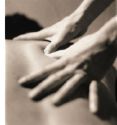
3948909740.jpg I usually start my day early… wake up at 5:15 in the morning but see to it that I finish my last patient at 3 PM. This is my way of preventing job burn-out.  I then take my usual afternoon nap then go for a walk and swim. Every Wednesday and Saturday are half day off and are times for my weekly massage.  I look forward to it as my time to relieve myself of the stress accumulated during that week…

But more than that are the Medical Benefits of Massage:

1. It has been shown to provide relief of Anxiety.  Studies proved this especially among patients with withdrawal symptoms after quitting alcohol.

2.It can relieve one of muscle soreness… especially after a hard day’s work, after exercise and sports related activities by improving blood flow to the muscles involved. 

3. It can relieve ones pain among those suffering from fibromyalgia, and migraines.

4.Studies proved massage to boosts ones immune system by increasing the number of natural killer cells involved in fighting infections and cancer cells.

5.Massage being a Touch Therapy has been shown to improve self esteem.

All these benefits beyond that which we know why we go to massage… A form of Relaxation and Stress Relief!!! So…After a Hard Day’s Work…Go Ahead…

Enjoy the Pleasures of

Massage…

You Deserve It!

Knowing The Numbers Mean Wellness

August 1, 2006

1997049824.jpg When you have an executive check up… you have many numbers to analyze…but what do they mean?

Here are some tips for you to know … knowledge of these numbers mean you know when to act!

1. Fasting Blood Sugar: normal blood glucose is now 99 mg/dl and below.  Anytime it reaches 100- you are categorized as prediabetic and therefore requires further workup.  Review your previous readings and check if the numbers have been hovering between 100 to 125.  Anytime, it exceeds 126 mg/dl on 2 occasions, a diagnosis of diabetes is given.

2. Blood Pressure: 120/80mmHg is no longer normal! it is already a prehypertension stage!  Lifestyle changes like dietary modification with limitation of salt and increase physical activity with weight loss are a priority.

3. Body Mass Index: You divide your weight in kilos by your height in meters squared.  The cutoff has been shown to differ according to ethnicity. For Asians, a BMI of 23 is already considered OVERWEIGHT and therefore is associated with increased co-morbidities.

4. LDL or Bad Cholesterol: Depends on your risk factors for heart disease (Diabetes, High blood pressure): aim for a level of less than 130 mg/dl in general. However if you are a diabetic, the lower the LDL, the better… We aim for a level of <100

All these numbers should be kept at goal…to remain healthy and fit!

Keep a Close Watch on

These Numbers…Keeping

Them Right Means Wellness.

Increase Your Good Cholesterol For A Healthy Heart

August 1, 2006

36074848671.jpg HDL cholesterol can be found in your Lipid Profile.  It is part of your executive Panel workup but the result of which is often overlooked..

A Low HDL is defined as a level below 40 mg/dl.  It is now shown to be an independent predictor of Cardiovascular Disease.  In fact a low HDL is also part of the cluster of diseases in the so called Metabolic Syndrome ( high sugar, high blood pressure, obesity )which is a condition that increases one’s risk to develop Type 2 Diabetes and Cardiovasular Diseases like Heart Attack and Stroke.

Lifestyle Intervention can increase your good cholesterol. Here are some tips:

1. Regular brisk aerobic exercise for 150 min per week.  In order for exercise to be effective in increasing your HDL, it has to be coupled with weight loss.

2. Quit smoking.  An increase in HDL will be evident 30-60 days after quitting.

3. Mild consumption of alcohol has been shown to increase HDL by 4 mg/dl.

4. A Diet that’s low in saturated fat but high in Poly and Monounsaturated Fat. This can be achieved if foods are cooked using Olive or Canola oil.  For snacks, you may like to eat Nuts like almonds, peanuts, walnuts and for your meat serving, you may try coldwater fish like salmon or mackerel and shellfish.

Checking you Cholesterol level does not mean only the Bad Cholesterol or LDL. A high Total Cholestrol likewise does not mean it is all Bad Cholestrol.  Therefore insist on checking your lipid profile because a high Total Cholesterol may be due to a high Good Cholesterol and therefore is protective rather than harmful and does not require medication. 

Remember the tips are basic lifestyle changes that will not only improve your good cholesterol level but more importantly ones general well being.

Healthy Lifestyle Means Long Life.