Archive for the 'General Health Tips' Category

Smoking and Impotence: A Deadly Combination

January 2, 2008

IGo to fullsize imaget is very difficult to stop an addiction.  Smoking is one problem that we almost always encounter among our male patients who come in with Diabetes.  Seldom do many realize that smoking in itself doubles or triples the harm that high blood sugar entails among our diabetic patients.

But one complication that many dont realize is that smoking contributes to the increasing risk of impotence. 

A survey published in the American Journal of Epidimeology showed that the risk to develop impotence among smokers is 42% higher compared to non smokers!!!!   If this vice is coupled with alcohol consumption and obesity then the risk of erectile dysfunction substantially increases further!

So to all smokers out there… you may just ward off the effects of smoking on the heart, and the lungs but to be impotent is a DISASTER!!!!!

This New Year’s: Resolve To Stop Smoking For Health and Wellness!

Yogurt And Its Health Benefits….

December 22, 2007

My family loves Yogurt so I thought of sharing with you how this great tasting beverage can be healthy as well.

1. Yogurt contains active, living cultures and the most abundant are lactobacillus bulgaricus and streptococcus thermophilus. These cultures help keep the colon healthy with studies showing it to lower the risk of colon cancer.

2. Yogurt contains lots of protein, vitamins, and minerals — and now you have choices of which to choose depending on the amount of calories each preparation has.  But overall for the weight conscious…it contains less calories than you think.

3. Yogurt uses nonfat milk in its preparation, and therefore a rich source of calcium and water as well. Meaning good for the bones!!!!

4. For those who have lactose intolerance and therefore unable to tolerate milk can easily enjoy yogurt.  The culturing process of yogurt makes it easily digestible.  The cultures present in yogurt help create the substance lacking in patients with lactose intolerance which is lactase.

5. Yogurt helps increase the absorption of certain nutrients and vitamins including Vitamin B and calcium.

6. Lastly, some studies have shown it to boost ones immunity and is considered a grow food… good for our children because it is rich in protein but also it helps in the absorption of other food protein needed for growth!!!

Need I say more my friends.  I let my kids bring yogurt to school daily as snack instead of the usual fruit juices which are rich in sugar and therefore calories.  I also prefer yogurt mixed with my fruits and they just blend very well….Use it in place of ice cream and one can even use yogurt in place of milk for baking goodies….

So next time you go grocery shopping in time for the Christmas celebration dinner… grab a yogurt on your way out or two!

Yogurt Does Your Body GOOD!

Intensive Blood Sugar Control Can Reduce Risk of DEATH

December 20, 2007

Go to fullsize imageFor my diabetic patients, it is very important that they understand that the reason for controlling their blood sugar is… to reduce the risk for complications like heart disease and stroke.

Now comes a new study that proves…tight control of blood sugar can indeed lower the risk of a patient to die from the disease…. published in Diabetes Research and Clinical Practice 2007

____________________________________________

The study concluded:

Normal mortality was attained in the elderly under intensive mutifactorial diabetes control ( Including control for BP and cholesterol)

Renal dysfunction, prior stroke, high LDL-cholesterol, and prior obesity were prominent risks for mortality, macroangiopathy and/or ESRD.

_____________________________________________

For me the bottom line in addressing any disease is based on two key  things:

  1. Discipline to live a healthy lifestyle! Remember…to live longer does not mean controlling blood sugar alone because if you continue to gain weight with high blood pressure and high BAD cholesterol due to poor choices of food then the end result is still early mortality due to complications!
  2. Follow Your doctor’s advise!.But choose the right doctor for your specific disease to get the best solution to your problem because just like any job we want done… you find for the best person to do the job RIGHT! and not just to finish the job!…

In the end of the day… everything boils down to one conlcusion….

To Live LOnger Requires Discipline!

Red Meat and Your Risk for Cancer…

December 18, 2007

I eat meat…. who doesn’t?  I know of few friends that are purely vegetarians but I can only count them with my one hand.  I try to introduce veggies to my kids as often as I can but food is finished faster if there is meat especially red meat from fried chicken!!!!

Now comes a new study linking red meat consumption to increased cancer risk.  This study was recently published online in PLOS Medicine, December of 2007 with a conclusion from the editorial below:

_______________________________________________

…Red and processed meat intake appears to be positively associated with risk of cancer of the colon and rectum, esophagus, liver, lung, and pancreas in a new, large US cohort study of 500,000 men and women.

….However, this study provided little support for an association with other cancer sites. Current dietary guidelines recommend selecting meats that are lean, low-fat, or fat-free, thus promoting limited consumption of red and processed meats.

…..Overall, the strongest risk factors for cancer in the US are smoking and obesity. However, understanding the complex interaction of diet with smoking and obesity, and how specific foods and nutrients are metabolized, may provide further clues into the etiology and, most importantly, the prevention of cancer.

_______________________________________________

It is also important to note that while red meat is indeed a risk factor for cancer…majority of patients on red meat are also taking processed foods which are high in fat and therefore associated with obesity which in itself increases ones risk to develop cancer.  And therefore the interaction of the different risk factors is in itself a matter of importance.

For this holiday season…let us therefore examine the way we lead our lives … the way we eat and the way we take care of our health. It is really up to us to interpret and practice the things we know that are healthy and avoid or shy away from the things we know that are harmful. 

….Which way to go and adopt the practice in our lifestyle is up to us!….

Be Informed! and Live Well!

Diabetes and Obesity: The Cancer Link…

December 11, 2007

New studies recently surfaced regarding the increased risk of diabetics or obese individuals to different kinds of cancer.  The hyperinsulinemic state associated with these two metabolic conditions may be responsible to predisposing these individuals to a higher cancer risk.

The American Cancer Research Society website published recent researches linking the two conditions to cancer:

_______________________________________________

1.Women with diabetes are 1.5 times more likely to develop colorectal cancer than those who do not have the metabolic disorder, according to researchers at the University of Minnesota.

2.Women with invasive breast cancer and high blood levels of C-peptide (a marker of insulin secretion) face a risk of death nearly three times higher than women with lower blood levels of C-peptide, according to findings from the Health, Eating, Activity and Lifestyle (HEAL) Study, a long-term observational study of breast cancer patients. The effect was most notable, researchers say, among women in their 40s.

3.Gaining weight following a diagnosis of invasive breast cancer could increase a woman’s risk of death from the disease by more than half, according to researchers leading the Collaborative Women’s Longevity Study. In fact, the researchers associated weight gain with a measurable increase in risk of death due to all causes, not just breast cancer.

_______________________________________________

But this risk is not uniform to all types of cancer. Diabetics for example have been shown to have lower risk to develop prostate cancer.  As to why remains unclear but maybe related to diabetics having a lower testosterone level.

New reasons for us to really be aware of the dangers of gaining weight to the level of being overweight and to avoid being obese.

So….. 

This Holidays…Think Healthy and Be Wise!

“Don’T Sit Close To TV Or Else You Go Blind” and Other Myths About The EYE!

December 8, 2007

Hearsays are what the physicians hate the most.  Patients always have some hesitancy to follow some of our advices due to what they hear from their friends or relatives.  Good if the problem is not life threatening but if so, almost always the skill of the physician is put to the test versus that of the popular beliefs based on hearsay within the community.

Since childhood, I was told not to sit too close to a TV or else Ill go blind.  Or not to go straight to bed if my hair is wet otherwise Ill also get blind.  Am sure a lot of parents continue to counsel their kids based on hearsays that have been passed from generation to generation.

I cam across a nice compilation of myths regarding the eye and its care from the Harvard Health Publications: The Harvard Health Beat which I want to share:

______________________________________________

5 common eye myths dispelled

  1. Myth: Doing eye exercises will delay the need for glasses.Fact: Eye exercises will not improve or preserve vision or reduce the need for glasses. Your vision depends on many factors, including the shape of your eye and the health of the eye tissues, none of which can be significantly altered with eye exercises.

  2. Myth: Reading in dim light will worsen your vision.Fact: Although dim lighting will not adversely affect your eyesight, it will tire your eyes out more quickly. The best way to position a reading light is to have it shine directly onto the page, not over your shoulder. A desk lamp with an opaque shade pointing directly at the reading material is the best possible arrangement. A light that shines over your shoulder will cause a glare, making it more difficult to see the reading material.

  3. Myth: Eating carrots is good for the eyes.Fact: There is some truth in this one. Carrots, which contain vitamin A, are one of several vegetables that are good for the eyes. But fresh fruits and dark green leafy vegetables, which contain more antioxidant vitamins such as C and E, are even better. Antioxidant vitamins may help protect the eyes against cataract and age-related macular degeneration. But eating any vegetables or supplements containing these vitamins or substances will not prevent or correct basic vision problems such as nearsightedness or farsightedness.

  4. Myth: It’s best not to wear glasses all the time. Taking a break from glasses or contact lenses allows your eyes to rest.Fact: If you need glasses for distance or reading, use them. Attempting to read without reading glasses will simply strain your eyes and tire them out. Using your glasses won’t worsen your vision or lead to any eye disease.

  5. Myth: Staring at a computer screen all day is bad for the eyes.Fact: Although using a computer will not harm your eyes, staring at a computer screen all day will contribute to eyestrain or tired eyes. Adjust lighting so that it does not create a glare or harsh reflection on the screen. Also, when you’re working on a computer or doing other close work such as reading or needlepoint, it’s a good idea to rest your eyes briefly every hour or so to lessen eye fatigue. Finally, people who stare at a computer screen for long periods tend not to blink as often as usual, which can cause the eyes to feel dry and uncomfortable. Make a conscious effort to blink regularly so that the eyes stay well lubricated and do not dry out.

______________________________________________

Hope this post will remind everyone that myths will continue to be with us but the access of new information technology should now help us decide to follow them or not! Gone are the days that we rely on what our grandparents say about something and believe in everything they say about the ins and outs of daily living.

In Health… Rely Only on FACTS!

Dark Chocolate and Your Heart

December 6, 2007

More and more studies have found new reasons for us to enjoy dark chocoalate this holiday season… or we are just looking for excuses to indulge in one. 

But a new study published in the Journal Circulation in November of 2007 showed the potential mechanism why Dark Chocolate especially the 70% cocoa can be healthy:

______________________________________________

Conclusions— Dark chocolate induces coronary vasodilation, improves coronary vascular function, and decreases platelet adhesion 2 hours after consumption. These immediate beneficial effects were paralleled by a significant reduction of serum oxidative stress and were positively correlated with changes in serum epicatechin concentration.

__________________________________________________________

The above conclusion points out that indeed dark chocolate can increase blood flow to the heart and more so in patients who are already on medications like ACE inhibitors and Beta blockers. Therefore beneficial to prevent blockage of blood vessel that can lead to heart attack!

But caution to those who will start indulging in Dark chocolate.  Remember the color of the chocolate does not necessarily mean its dark.  It’s the content of the cocoa and more so the content of the flavanol.  This study was done using 70% cocoa.

But before grabbing a chocolate…make sure you are careful not to over do it.  Remember …chocolate is rich in calories and fat! But at least we now have reasons to take a bite before and after a meal without feeling too much guilt!

A Bite of Dark Chocolate for the Holidays!

Vitamin E and Heart Disease Among Diabetics…

November 27, 2007

Vitamin E has received a lot of good news and bad news. Now you read it being the antioxidant of choice in one study…then the next…it shows the opposite result.  Majority of these studies however are epidimeological and observational in nature and not well controlled prospective studies.  The HOPE and NIH studies were prospective studies that did not show positive effect of Vitamin E on heart disease.

Recently a new data on the possible important role of Vitamin E came about in a new prospective study which is worth looking published in the Journal Atherocsclerosis, Thrombosis and Vascular Biology….

______________________________________________________________________

Methods- 1434 DM individuals  55 years of age with the Hp 2-2 genotype were randomized to vitamin E (400 U/d) or placebo. The primary composite outcome was myocardial infarction, stroke, and cardiovascular death. At the first evaluation of events, 18 months after initiating the study, the primary outcome was significantly reduced in individuals receiving vitamin E (2.2%) compared with placebo (4.7%; P=0.01) and led to early termination of the study.

Conclusions—Vitamin E supplementation appears to reduce cardiovascular events in individuals with DM and the Hp 2-2 genotype.

_____________________________________________________________________

Since 40% of our diabetic population has the Hp 2-2 gene…It’s probably about time for us to rethink whether all diabetics should take Vitamin E or not…

However the bottom line is:  more studies need to be done and outcome studies to support this new finding!

Vitamin E Is Worth a Second Look!

Resting To Burn Fat Faster….

November 24, 2007

exerc.jpgHere’s one good news to those who hate long hours of exercise to get a benefit! 

A study published in the Journal of Applied Physiology this June of 2007  showed that:

repeated bouts of exercise cause enhanced fat metabolism compared with a single bout of prolonged exercise of equivalent total exercise duration.”

The exercise regimen that they tested?

… Exercise for 30 minutes…take a break for 20 minutes… then exercise again for 30 min…. 

The rest period resulted in more fats being burned than no rest period at all…

So just like any activity… the body needs to rest and rejuvenate!

Remember…

Overdoing Even A Good Thing May Do More Harm!!!


__________________________________________________________________________

adtxtimg3.gif 2/18/08 

Notes From Our Marketing Friends: 

One should apply healthy cleaning strategies at ones home. Use dust cleaners to avoid dust allergy. Many sort of allergies lead to serious diseases like eczema etc. Go for proper eczema treatment is you are suffering form eczema. Dirty carpets are the source of much kind of allergies. Use handy vacuum cleaner to ensure the complete cleanliness of the carpets.
__________________________________________________________________________

More Sleep Time To Prevent Childhood Obesity

November 22, 2007

Go to fullsize imageChildhood Obesity is getting to be a huge problem not only in developed countries but worldwide!  The AACE Philippine Chapter in fact recently launched our Power of Prevention Program aimed at preventing Obesity among children where different school prinicpals and administrators were invited to the launching initially to involve Metro Manila school children. 

Now comes a remedy to wegiht gain among children that we can do at home!  A new interesting study was recenlty published in Pediatrics November 2007 issue , linking the lack of sleep or inadequate sleep among children and the risk of being overweight.

______________________________________________

Of 785 children, 50% were male, 81% were white, and 18% were overweight in 6th grade.

  • Shorter sleep duration in 6th grade was independently associated with a greater likelihood of overweight in 6th grade.
  • Shorter sleep duration in 3rd grade was also independently associated with overweight in 6th grade, independent of the child’s weight status in 3rd grade.
  • Sleep problems were not associated with overweight.

__________________________________________________________

So how many hours of sleep should our children have?  This study provided us some insights:

  • Sixth-graders with less than 8.5 hours of sleep a night had a 23 percent rate of obesity,
  • Well-rested peers with more than 9.25 hours of sleep had at 12 percent rate of obesity.

For me this study tells us one thing:

  • By putting your kids to sleep earlier… means less TV time…means less chances to munch on junk food…resulting in a lesser risk to gain weight!
  • Sleep is as important as healthy food and physical activity when it comes to Weight control.

Put Premium on Sleep Than Being Awake Especially For Our Children!

______________________________________________________

 adtxtimg8.gif 2/18/08

Notes From Our Marketing Friends: 

There are many sensitive issues that a lactating mother must be keeping in mind. During lactation mother should follow healthy food recipes to avoid any kind of deficiency in her. As a lactating mother feeds her baby on her milk, so she should take complete care her breasts. There are many lactation equipments now available in the market that helps a mother to nourish her baby with her milk. These include medela breast pump, maternity bras and large cup nursing bras etc.
__________________________________________________________________________

Tips On How To Be Healthy MINUS The Vitamins!

November 20, 2007

Supplements insluding Multivitamins continue to make market leaders in terms of income.  Many people inlcuding myself take multivitamins as part of the daily requirement to hopefully supply the vitamins not taken by our daily meals.  But do we have proofs that we really need them? Or are we better off without them?

I came across a new article from the Harvard News Letter which answered this specific questions published in November of 2007:

______________________________________________ 

Most experts agree that supplements add little, if anything, to a well-balanced diet. Exercise, however, is proven to achieve the benefits claimed for vitamins, even for people who eat properly, reports the November 2007 issue of Harvard Men’s Health Watch.

One leading reason people take vitamin supplements is to protect against cancer. But sadly, this strategy has been a flop. While studies continue on whether vitamin E and selenium can help reduce prostate cancer risk, data already show that beta carotene actually boosts the risk of lung cancer in smokers. And zinc, as well as high doses of folic acid, may also do more harm than good for men seeking to ward off prostate cancer.

The bottom line: Supplements do not reduce cancer risk.

In addition, vitamins are not recommended for heart disease prevention.

  • Trials of B vitamins have failed to demonstrate protection against heart disease. 
  • But people who eat fish twice a week enjoy a reduced risk of heart attack and sudden cardiac death.
  • Leafy, green vegetables and whole grains also help protect against heart disease.

If supplements can’t protect you against cancer or heart disease, what can? Current evidence suggests that exercise may be a crucial weapon in reducing the risk of some cancers.

  • Studies show that active people are less likely to develop colon cancer than sedentary individuals, and that
  • women who exercise can reduce their breast cancer risk. 
  •  Exercise’s effect on prostate cancer, however, is less clear; studies have produced varying results.
  • Evidence is also incomplete for lung and pancreatic cancers.

But when it comes to reducing the risk of heart disease, regular exercise is associated with a sharp reduction in heart attacks and cardiac deaths.

_______________________________________________

We always look for shortcuts! I guess this is true to everybody in every walk of life.  Why make it more difficult if there’s a shorter way to achieve the same goal.  BUT…life is not that simple especially when it comes to better health!

There has been no single study to date to prove otherwise…that exercise can do harm than good… from prevention studies to community data. But we all know it’s good to do it…we just refuse to indulge ourselves to it and instead look for a pill that can do the same job…which up to now remains a fantasy than a reality! 

Dont be fooled in believing that Supplements can do the Health Job for you!  Remember….

In Health…There Are No ShortCuts!
__________________________________________________________________________

 adtxtimg1.gif 2/18/08:

Notes From Our Marketing Friends: 

With the advancement in the technology everything is now in the access of the people while sitting at home. Many drug store are operating online. You can buy drugs and medicines from them. For example you can buy fioricet online as well as other medicines like aspirin etc. There are many online pharmacies which offer private medicines like generic cialis online as well.
__________________________________________________________________________

Tips on How To Get A Flat Tummy Without Tummy Tuck!

November 15, 2007

Go to fullsize imageI am ” no no” when it comes to cosmetic surgery.  It is definitely temporary measure of something that can be done with healthy lifestyle and discipline. Beauty as we said is deep within… and for me… only if you are using your face or body for business like being a movie star and marketing for extra mileage that one may elect to have them done.

Recently I came accross a short article on how we can flatten our tummy without necessarily resorting to surgery.  This comes from a reliable Health Source of the Mayo Clinic….

______________________________________________

Just can’t seem to maintain a flat tummy, even though you are not overweight? According to the August issue of the Mayo Clinic Women’s HealhSource, you could just have a genetic tendency to accumulate fat in that area. Or if you have lost some height over the years, bulges can become more prominent. Whatever the cause, you can help flatten your stomach.

  • Get regular, general exercise. Burning calories reduces overall body fat. (Just doing sit-ups won’t flatten the bulge.)
  • Target lower and deeper abdominal muscles. Exercises that target these muscle groups can help. An example is a pelvic tilt. Lie on your back on the floor with knees bent. Flatten your back against the floor by tightening your abdomen and bending your pelvis up. Hold for five to 10 seconds. Work up to 10 to 20 repetitions.
  • Stand tall. A slouched position makes your tummy more prominent.
  • Beware of bloating. Some foods — beans, cabbage and bran, for example — can cause bloating and accentuate your bulge.

______________________________________________

There you go my friends.  Simple and concise.  Do them daily…change your lifestyle that incorporates exercise or physical activity to your daily life.

Everyday before I take a bath…I lie on my bathroom floor and do the situps and tummy exercise.  Then I hop on to my waist twisting disc then I do the strength exercise using a rubberized belt ( I am not sure what you call it actually).  Once an activity is incorporated into your system…then its difficult to start the day without it!

Give Your Body The Look You Want It To Have….

Thru Exercise!

____________________________________________________

adtxtimg.gif

Notes From Our Marketing Friends:

As people are becoming aware with the health and fitness issues they are spending most of their time in health and fitness centers. There are many 24 hour fitness centers which provide services round the clock. However you can make your own gym at your home as well. All the gym equipments are available online you can purchase weight scale, tread mills, racing cycles or anything you want. Accessories like yoga mats, water bottles are also available over the internet.

__________________________________________________________

The Benefit of Taking Siestas Or A Nap…

November 2, 2007

We’re know how to take naps and siestas in the past… BUT this habit is becoming a rarity rather than a need with the changing times.  However, new studies have come up that in regions where naps continue to be practiced, the incidence of cardiac problems seem to be on a decline… and now a new study may give us the reason why. 

Siesta apparently is associated with lowering of BP and as a result it reduces the strain to the heart in an article published in Journal of Applied Physiology  October of 2007 issue. 

____________________________________________________________________

The siesta habit is associated with a 37% reduction in coronary mortality, possibly because of reduced cardiovascular stress associated with daytime sleep.  Whether the most important behavior is the daytime nap itself, a supine posture, or the expectancy of a nap is unknown.

We present the first detailed description on healthy individuals of the acute changes in cardiovascular function during defined phases of the daytime sleep-onset period. These responses were compared with lying awake and standing.

Following a night of restricted (4 h) sleep, nine healthy participants (aged 34 ± 5 yr) were allowed to sleep at 1400 for up to 1 h. Polysomnography was used to calculate three phases of daytime sleep onset: phase 1, a baseline period of relaxed wakefulness before lights out; phase 2, the period between lights out and onset of stage 1 sleep; and phase 3, the period between onsets of stages 1 and 2 sleep.

Differences (means ± SD) in blood pressure, heart rate, and forearm cutaneous vascular conductance (CVC) between phases were analyzed. During the 9.7 ± 13.8 min of phase 2, systolic and diastolic blood pressure was 4.7 ± 4.5 and 3.6 ± 2.8 mmHg lower than baseline, whereas CVC was 9.5 ± 4.3% higher than baseline (P < 0.05). Subsequent changes in cardiovascular function during the sleep itself were trivial (P > 0.05). The above changes were not observed when subjects stood or laid supine in relaxed wakefulness for 1 h (P > 0.05).

Our findings suggest that the period between lights out and sleep onset is associated with the largest acute reduction in blood pressure during one afternoon siesta.

_______________________________________________________________________________________

Now we know why siestas make us feel good and “healthier”.  In fact studies have shown that this blood pressure reduction may actually be the reason why there is lower coronary mortality rates in Mediterranean and Latin American populations where siestas are common… the effect of naps on the heart!

Simple take home message from this study: 

  1. Take time to rest and a nap…if you can have it in between breaks…go for it. 
  2. Sleep is likewise important… now it shows that sleep debt is unhealthy and dangerous!

Life is too short not to enjoy it BUT make sure you get enough rest and sleep to enjoy the beauty of life to live longer!

Siestas Equate To Better Health! 

Tips To Change Unhealthy Habits: Self Control vs WillPower

October 31, 2007

Go to fullsize imageHere’s one article I read from the Mayo Clinic Health Letter I want to share to everyone.  This is timely and concise at these times that everything that surrounds us is tempting us to do other than what our body requires us to do.  It’s The Will Power to do good things being overcome by destructive tempations leading to unhealthy lifestyle.

_______________________________________________

But counting on willpower alone to make a change is inviting failure. A Special Report in the February issue of Mayo Clinic Health Letter discusses the essential steps to a healthier life, including how planning and self-control skills — not willpower alone — help make healthy behavior changes.

How Self Cotrol wins Over Will Power 

Dessert splurge

Willpower: I’ll make a cheesecake for others in the house, but I won’t eat it.

Self-control: I won’t make a cheesecake, but I can have a slice when I dine out.

Accessible alcohol

Willpower: I’ll keep a liquor cabinet for guests, but I won’t drink.

Self-control: For a time, and perhaps forever, I will not have alcohol in the house.

Smoking cessation

Willpower: I’ll stop cold turkey.

Self-control: Before I stop, I’ll talk to my doctor about ways to ease withdrawal.

Dining out

Willpower: We’ll go to the buffet, but I’ll just have salad.

Self-control: We’ll go to a restaurant that offers small portions and low-fat or vegetarian items.

Exercise

Willpower: Although I’m tired in the evening, I’m going to get out and walk for 30 minutes every day after dinner.

Self-control: I’m going to try to walk 15 to 30 minutes in the morning and at lunch. I’ll ask a friend to join me for encouragement.

Self-control is one step. But many factors impact why we do what we do — or don’t do. In fact, discarding an unhealthy behavior, or adopting a healthy one, is a tough challenge and often takes from three to 30 attempts.

_______________________________________________

Simple easy steps to a healthy lifestyle.  Its a matter of combining self control and the will to do things in a manner that will satisfy your body, your self and your health!  It may take time to do things right but as long as one has the will and the foresight to do them with a purpose …then you will be successful! 

Remember…. Not trying is the worst thing you can do to yourself and your health!

Take Self Control and The Will To Be Healthy!

The Danger of Sleepless Nights!!!!

October 29, 2007

Go to fullsize imageFeeling Grumpy after waking up? Maybe lack of sound sleep? Or deprived of sleep? Or sleep debt?

No matter what you do, this lack of sleep has been shown to increase one’s emotional outburst.  Needless to say, one is not too keen in listening to problems in office or even offering solutions without having to raise ones voice.  It is therefore difficult or problematic to handle delicate situations in times of sleep debt.  The day to day interaction with friends or co workers and employees can result in negative outcome and productivity.

In the October 23 issue of Cell Biology comes a new study that looked at the reason why this happens as the lead author has said: “Sleep deprivation fractures the brain mechanisms that regulate key aspects of our mental health.”

______________________________________________________________________

Sleep deprivation is known to impair a range of functions, including immune regulation and metabolic control, as well as neurocognitive processes, such as learning and memory. But evidence for the role of sleep in regulating our emotional brain-state is surprisingly scarce, and while the dysregulation of affective stability following sleep loss has received subjective documentation , any neural examination remains absent.

Clinical evidence suggests that sleep and emotion interact; nearly all psychiatric and neurological disorders expressing sleep disruption display corresponding symptoms of affective imbalance. Independent of sleep, knowledge of the basic neural and cognitive mechanisms regulating emotion is remarkably advanced.

The amygdala has a well-documented role in the processing of emotionally salient information, particularly aversive stimuli . The extent of amygdala engagement can also be influenced by a variety of connected systems, particularly the medial-prefrontal cortex (MPFC); the MPFC is proposed to exert an inhibitory, top-down control of amygdala function, resulting in contextually appropriate emotional responses.

We have focused on this network and using functional magnetic resonance image (fMRI) have obtained evidence, reported here, that a lack of sleep inappropriately modulates the human emotional brain response to negative aversive stimuli.

______________________________________________________________________

My practice to to advocate a balance of stress and de-stress! Balance the time of work and play… this may not be easy for some but health dictates us to be vigilant and be more aggressive in finding ways our body can rest!!! The system works best if noxious stimuli can be avoided or be rid off!  Sleep is one way the body regenerates the energy it requires to handle the stresses of the next day!

Sleep Debt as we know of can lead to all the dangers of health stress: it has been shown to be a major risk factor for developing metabolic illnesses like Diabetes and High blood pressure.  With this new study comes data linking neuronal changes to sleep debt that can result in emotional unrest!  Remember…any emotional stress increases the production of stress hormones in the body that can have harmful effects on the heart!

Work is important but so is Sleep and Rest!  Just make sure…a balance is made between what you do and want to accomplish and what your health dictates you to do!

Health is Wealth My Friends!

Read My Other Related Posts:

Too Little Sleep Because Of Work?

Sleep And The Risk of Obesity and Diabetes
__________________________________________________________________________

 adtxtimg2.gif 2/18/08

Notes From Our Marketing Friends: 

There are many sensitive issues that a lactating mother must be keeping in mind. During lactation mother should follow healthy food recipes to avoid any kind of deficiency in her. As a lactating mother feeds her baby on her milk, so she should take complete care her breasts. There are many lactation equipments now available in the market that helps a mother to nourish her baby with her milk. These include medela breast pump, maternity bras and large cup nursing bras etc.
_________________________________________________________________________

Cough Medicines and Stroke…. How To Avoid A Stroke!!!

October 23, 2007

1619007209.jpgThe risk of stroke with OTC cough medicines had been with us since 2003 after the publication of the study in STROKE  linking OTC cough and colds meds to stroke.  Apparently these decongestants contribute to around 200 to 400 cases of stroke annually. The study eventually led to FDA giving advisory against the use of Phenylpropanolamine ( PPA ) in any medications for sale as cold remedies. 

Now comes a new FDA advisory targetting the cold remedies we use for children.  Apparently the cold remedies have not been proven to be safe but instead cause harm including death.  This really comes timely considering the increase numbers of upper respiratory tract infections in this rainy season. 

But what is really important is for us to understand that there are reasons why one gets a Stroke. Here’s a list of risk factors compiled by WebMD which I want to share:

___________________________________________

Certain diseases or conditions increase your risk of stroke. These include:

Certain behaviors can increase your risk of stroke. These include:

  • Smoking, including secondhand smoke.
  • Physical inactivity.
  • Being overweight.
  • Diet with few fruits and vegetables. Research suggests that people who eat more fruits, vegetables, fish, and whole grains (for example, brown rice) may have a lower risk of stroke than people who eat lots of red meat, processed foods such as lunch meat, and refined grains (for example, white flour).
  • Diet with too much salt. A healthy diet includes less than 2,300 mg of sodium a day (about one teaspoon).
  • Use of some medicines, such as birth control pills-especially by women who smoke or have a history of blood-clotting problems-and anticoagulants or steroids. In postmenopausal women, hormone replacement therapy has been shown to slightly increase the risk of stroke.
  • Heavy use of alcohol. People who drink alcohol excessively, especially people who binge drink, are more likely to have a stroke. Binge drinking is defined as drinking more than 5 drinks in a short period of time.

___________________________________________

So if you have any of those risk factors…the more one should avoid decongestants based on what we now know in terms of the potential for PPA to cause a stroke.

Storke can be avoided and should be avoided because it is  disabling disease.  I always counsel my diabetic hypertensives that the main reason why I try to make sure they get an excellent control in terms of their sugar and blood pressure including cholesterol is mainly: TO REDUCE THEIR RISK in getting a Stroke and Heart disease.

Genes and Lifestyle Complement Each Other….

Going NUTS on NUTS….

October 18, 2007

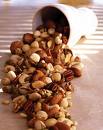
imagesertyuyui.jpgIf you think of peanuts… you dont associate them with health food but rather… a kind of junk food? or an unhealthy snack alternative? and pretty salty!!!!

But the FDA has considered nuts as a healthy snack alternative based on the data that nuts have lots of protein and fiber and contain a lot of the good fat called monounsaturated fats as well as certain  antioxidants. 

BUT not all nuts are created equal:  the health claim recognized by the FDA only includes peanuts and certain tree nuts like:

  • walnuts because of its omega 3 fatty acids
  • almonds,
  • hazelnuts,
  • pecans,
  • some pine nuts,
  • pistachios, and
  • walnuts.  

These nuts carry with them several studies lowering LDL or bad cholesterol while improving HDL or good cholesterol and as aresult may actually have beneficial effects in protecting heart ailments.

Other nuts that did not get the qualty health claim from the FDA because they contain high saturated fat include: Brazil nuts, macadamia nuts, cashew nuts, and some varieties of pine nuts.

So for your next meal or snacks…dont feel guilty grabbing some nuts from the can and enjoy them.  Nuts are rich in protein and fiber and therefore can be very filling.  But again in moderation because even if they have health claim…they still contain calories and too much of which can also be harmful!

Let’s Go NUTS!

Can I Eat Eggs Everyday? … Part 2

October 15, 2007

3557864019.jpgOne of the top posts of this website is about eggs.  It has really been a puzzle to the medical community as to how this seemingly affordable and easy available food can be so intriguing in terms of its good and bad effect on health.  Its really an option for anyone to take which sides you are depending on what study you read.

A recent publication from the Harvard Health Publications regarding the myths and facts on eggs is worth mentioning here for my readers to know my answer when they ask…Can I eat eggs everyday doc?

___________________________________________

BOSTON, MA – Common misconceptions keep many people, especially those worried about heart disease, from eating eggs. The July issue of the Harvard Heart Letter unscrambles the dietary facts and myths about the egg.

Fact: Eggs are a good source of nutrients. One egg contains 6 grams of protein and some healthful unsaturated fats. Eggs are also a good source of choline, which has been linked with preserving memory, and lutein and zeaxanthin, which may protect against vision loss.

Fact: Eggs have a lot of cholesterol. The average large egg contains 212 milligrams of cholesterol. As foods go, that’s quite a bit, rivaled only by single servings of liver, shrimp, and duck meat.

Myth: All that cholesterol goes straight to your bloodstream and then into your arteries. Not so. For most people, only a small amount of the cholesterol in food passes into the blood. Saturated and trans fats have much bigger effects on blood cholesterol levels.

Myth: Eating eggs is bad for your heart. The only large study to look at the impact of egg consumption on heart disease—not on cholesterol levels or other intermediaries—found no connection between the two. In people with diabetes, though, egg-a-day eaters were a bit more likely to have developed heart disease than those who rarely ate eggs.

  • If you like eggs, eating one a day should be okay, especially if you cut back on saturated and trans fats.
  • Other ways to enjoy eggs without worrying about cholesterol include not eating the yolk, which contains all the cholesterol, or using pourable egg whites or yolk-free egg substitutes.

____________________________________________

One major reason why we advocate a low cholesterol diet is that any diet that is high in cholesterol may downregulate LDL-receptor (Bad cholesterol) synthesis which are the receptors that degrade or breakdown the bad cholesterol in our body. This bad effect apparently becomes more pronounced if the diet is also high in saturated fat because it can interfere with receptor binding and removal of the bad cholesterol and therefore accumulates in our system!

Likewise… if you eat a high cholesterol food…it is almost always associated with a high saturated fat meal! If you love egg yolk then it means the meal may also have steak or fried pork and other oily foods in it! This spells DISASTER!

Almost always… it’s already a cliche: eat everything in moderation.  I will continue to advocate 2 x or less eggs per week for my patients until more solid evidence tells me otherwise. 

It’s a matter of choosing the right food for a healthy body.

Tips To Improve Your Memory!!!!

October 12, 2007

438348334.jpgForgot about something? Missed an appointment? Where are my KEYS????

Persistence to take something to boost ones memory has always been in  the back of the minds of patients hoping to improve their memory.  They be 40 or 80 years old … does not make a difference.  Blame it on anesthesia or old age…memory enhancers as supplements are a big hit because people are so afraid to lose their memory!!!

Instead of trying your luck on these supplements which…forget it…DONT Work ( dont be fooled by their marketing strategies)… I have come accross a wonderfully written article giving us helpful tips to improve our memory : The Harvard Medical School Healthbeat issue:

____________________________________________

 Normal age-related changes in the brain can slow some cognitive processes, making it a bit harder to learn new things quickly or to ward off distractions. The good news is that, thanks to decades of research, most of us can sharpen our minds with proven, do-it-yourself strategies. Here are some ways to boost your ability to remember as you age.

1. Believe in yourself.
Myths about aging can contribute to a failing memory. Middle-aged and older learners do worse on memory tasks when exposed to negative stereotypes about aging and memory, and better if exposed to messages about memory preservation into old age.

2. Economize your brain use.
Take advantage of calendars and planners, maps, shopping lists, file folders, and address books to keep routine information accessible. Designate a place at home for your glasses, keys, and other items you use frequently.

3. Organize your thoughts.
New information that’s broken into smaller chunks, such as the hyphenated sections of a phone number or social security number, is easier to remember than a single long list, such as financial account numbers or the name of everyone in a classroom.

4. Use all your senses.
The more senses you use when you learn something, the more of your brain will be involved in retaining the memory. For example, odors are famous for conjuring memories from the distant past, especially those with strong emotional content, such as the scent of your grandmother’s freshly baked cookies.

5. Expand your brain.
Widen the brain regions involved in learning by reading aloud, drawing a picture, or writing down the information you want to learn (even if you never look back at your notes). Just forming a visual image of something makes it easier to remember and understand; it forces you to make the information more precise.

6. Repeat after me.
When you want to remember something you have just heard or thought about, repeat it out loud. For example, if you’ve just been told someone’s name, use it when you speak with him or her: “So, John, where did you meet Camille?”

7. Space it out.
Instead of repeating something many times in a short period, as if you were cramming for an exam, re-study the essentials after increasingly longer periods of time — once an hour, then every few hours, then every day. Spacing out periods of study is particularly valuable when you are trying to master complicated information.

8. Make a mnemonic.
Mnemonic devices are creative ways to remember lists. They can take the form of acronyms — such as the classic “Every good boy does fine,” to remember the musical notes E, G, B, D, and F on the lines of the treble clef. For older learners, a particularly helpful system is a story mnemonic — that is, a brief narrative in which each item cues you to remember the next one.

9. Challenge yourself.
Engaging in activities that require you to concentrate and tax your memory will help you maintain skills as you age. Discuss books, do crossword puzzles, try new recipes, travel, and undertake projects or hobbies that require skills you aren’t familiar or comfortable with. 10. Take a course. Memory-improvement courses are becoming more popular. If you decide to try one, choose a program run by health professionals or experts in psychology or cognitive rehabilitation. Stay away from courses that center on computer or concentration games, which generally won’t help you with real-life memory problems. Select a course that focuses on practical ways to manage everyday challenges
.

_______________________________________________________

I do recommend that we all try these exercises: they’re free, safe and effective!

Lets Keep Our Brains Healthy!

Palpitations…When To Know It’s Serious?

October 11, 2007

imagesgl.jpgWe do get palpitations once in while…its the sensation of your heart that is racing and then you feel like having a skipped heart beat!  Almost always this is Benign meaning…nothing to worry about BUT palpitations may signal the onset of certain diseases.

When you get palpitations…the first thing you have to make sure….is if you are taking medications like decongestants that may cause it.  Likewise check if you have been drinking too much caffeinated drinks lately… the frappucino, the Kafe latte…. or simply munching on your favorite chocolates!

If you have ruled out any medications of drinks responsible for the palpitations then have yourself examined for the following possibilities:

  1. Toxic Goiter.  This is very common in our setting where patients will have symptoms assoiciated with hyperthyroid state or overactive thyroid gland.  You will have associated sympotms of shortness of breath, weight loss and tremors.
  2. Mitral Valve Prolapse.  Also very common especially among young women and very easy to diagnose through 2dEchocardiogram.  A very benign condition also.
  3. Menopausal State can manifest with palpitation so be sure to check with your primary care physician if you are already 45 years old with irregular menses.
  4. You may just have Anxiety!!!  Being anxious on something can make your heart run fast. 

Or just simply being excited may all you have causing you to palpitate. Too much excitement can make you produce stress hormones including cathecholamines that can cause palpitation.

Just remember… any symptom that is new should be checked for possibility of finding something treatable and therefore life saving! A simple palpitation should therefore not be taken for granted!

Better Early Than Sorry!