
Archive for the 'Personal Thoughts' Category

The Protective Effect of Mediterranian Diet

August 3, 2007

imagesafg.jpgA diet that’s high-fat… because of the large amounts of monounsaturated fatty-acid-rich olive oil used in Mediterranean cultures—may be a useful tool against blocking of the arteries, particularly in individuals at high risk of developing heart disease.

A new study looking at High Mononunsaturated Fat( MUFA) diet has finally proven the proponents of this diet to be protective was recently published in the June 11, 2007 issue of the Annals of Internal Medicine.

______________________________________________ 

Interventions: Participants were assigned to a low-fat diet (n = 257) or to 1 of 2 Mediterranean diets. Those allocated to Mediterranean diets received nutritional education and either free virgin olive oil, 1 liter per week (n = 257), or free nuts, 30 g/d (n = 258). The authors evaluated outcome changes at 3 months.

Results:  Compared with the low-fat diet, the 2 Mediterranean diets produced beneficial changes in most outcomes. Compared with the low-fat diet, the mean changes in the Mediterranean diet with olive oil group and the Mediterranean diet with nuts group were –0.39 mmol/L (95% CI, –0.70 to – 0.07 mmol/L) and – 0.30 mmol/L (CI, –0.58 to – 0.01 mmol/L), respectively, for plasma glucose levels; –5.9 mm Hg (CI, –8.7 to –3.1 mm Hg) and – 7.1 mm Hg (CI, –10.0 to –4.1 mm Hg), respectively, for systolic blood pressure; and –0.38 (CI, –0.55 to – 0.22) and – 0.26 (CI, –0.42 to –0.10), respectively, for the cholesterol–high-density lipoprotein cholesterol ratio. The Mediterranean diet with olive oil reduced C-reactive protein levels by 0.54 mg/L (CI, 1.04 to 0.03 mg/L) compared with the low-fat diet.

 Conclusion: Compared with a low-fat diet, Mediterranean diets supplemented with olive oil or nuts have beneficial effects on cardiovascular risk factors.

_____________________________________________ 

In short… participants in the two Mediterranean-diet groups had significantly lower mean plasma glucose levels, lower systolic blood pressure, and lower total-cholesterol/HDL-cholesterol ratios than those in the low-fat-diet group… which may explain the protective effects of this diet to develop heart disease.  

So what diet Do I recommend to my Patients? 

Ive been proponent of a 40% of total calorie diet to be from fat with 20% of total calories from MUFA.  Ive been pretty successful with this diet in terms of regulating my patients Blood sugar and lipids while maintaining their weight!  This study really proves me right. 

You will not go wrong having a diet rich in fruits and vegetables and supplemented with virgin olive oil and nuts…it’s a diet proven to  improve cholesterol ratios and the effects on blood pressure and inflammation.   One option to Olive oil that we can use daily in our cooking is Canola Oil which is also rich in MUFA and PUFA.  Likewise taking walnuts or cashew nuts for snacks as healthy alternatives to burgers and fries!

As The Saying Goes…GO NUTS!
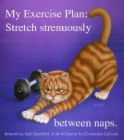
How To Exercise The Right Way

August 2, 2007

4143585627.jpgWe know we need to exercise.  We are often told to be active most days in a week if we want to lose weight or just 20 to 30 mintues 3 x a week for cardiovascular workout.

BUT what’s the BEST way to do it?… do we exercise 1 hour straight? or is it better to have a rest period in between activities to burn fat effectively?

Excerpts from the Study of Dr Goto published in the Journal Of Applied Physiology…. 

___________________________________________________

This study compared the fat metabolism between “a single bout of prolonged exercise” and “repeated bouts of exercise” of equivalent exercise intensity and total exercise duration. Seven men performed three trials: 1) a single bout of 60-min exercise (Single); 2) two bouts of 30-min exercise, separated by a 20-min rest between exercise bouts (Repeated); and 3) rest.  In the Repeated trial, serum free fatty acids (FFA), acetoacetate, and 3-hydroxybutyrate concentrations showed rapid increases (P < 0.05) during a subsequent 20-min rest period. During the second 30-min exercise bout, FFA and epinephrine responses were significantly greater in the Repeated trial than in the Single trial. 

The relative contribution of fat oxidation to the energy expenditure showed significantly higher values (P < 0.05) in the Repeated trial than in the Single trial during the recovery period.

These results indicate that repeated bouts of exercise cause enhanced fat metabolism compared with a single bout of prolonged exercise of equivalent total exercise duration.

________________________________________________________________

In simple terms… it’s better to rest in between exercise activity than a single prolonged activity.  The rest period most likely made the tissues and body more efficient in burning more fat especially during the repeat exercise after the rest!

Meaning Rest in between activities is a good way to burn more calories and have time to take a breathier in between workouts!

My advise?  Exercise for 30 minutes then take a rest for 10 to 15 minutes then take a plunge to more activites again before heading back home….

What A way To Rest and Burn More Calories!

The FDA Ruling on Avandia…

August 1, 2007

imagessdff.jpgJuly 31 was a big day for Avandia after the US FDA ruled out removing the drug from the market.  The FDA hearing looked at several arguments whether indeed Avandia can result in increased risk of heart disease.

A report on the US FDA recommendation and Hearings:

__________________________________________________

The US Food and Drug Administration’s (FDA’s) Advisory Committee came to an almost unanimous decision yesterday, voting 22-1 for Avandia, GlaxoSmithKline’s much-maligned diabetes treatment, to remain on the US market.

Concern about side effects associated with Avandia (rosiglitazone) was raised by a meta-analysis published in the New England Journal of Medicine in May. The analysis, led by Steven Nissen of the Cleveland Clinic, Ohio, US, concluded that the drug increased the risk of heart attack and death .

The committee convened to evaluate all of the post-approval clinical data and assess the ‘overall risk-benefit profile’ of the drug.

During a press conference following the meeting, the acting committee chair, Clifford Rosen from the Maine Center for Osteoporosis, Bangor, US, highlighted a ‘significant number of caveats’ for the prescription of Avandia.

‘I think there are clear-cut reasons not to use this drug in certain types of diabetes patients,’ he said. ‘These include those with or prone to congestive heart failure and people with significant risk of cardiovascular disease.’

The FDA will now consider the panel’s recommendations and make its final decision about what action to take. This could include the addition of appropriate warning labels on the drug’s packaging and the provision of advice to prescribing doctors. 

__________________________________________________

In short… just like any other drug out there…prudent use of this drug among our patients is necessary.  Never to use among older patients at risk for heart disease and those with significant risk factors for heart disease especially among those already on insulin.  The problem is that majority of patients are put on insulin by doctors late after several years of poorly controlled diabetes… such that complications especially heart disease have already set in.  I dont believe this to be the case among young patients whom we start Early Insulinization where the risk for heart disease is not the same as somebody put on insulin late in the disease process.

All along I was right.  I believe in the efficacy of this drug so I was confident based on the available data that more studies need to be done.  Metformin and Pioglitazone on their initial short term studies proved harmful but long term studies proved otherwise!  I am sure that the longer duration studies will prove also Avandia to be worth taking to reduce ones risk for heart disease. 

Again…

It‘s Choosing The Right Patient for The Right Drug!

Read My Other Related Posts:

AACE Philippine Chapter Annual Convention

July 26, 2007

scan0001.jpgThe American Association of Clinical Endocrinologist – Philippine Chapter will hold its Annual Convention on August 10 to 12, 2007 at Shangrila Mactan.

All doctors of all specialties are invited to join the affair as the organization has prepared a well balanced sessions for great learning!  As the one in charge of inviting foreign speakers it was pretty tough but finally there will be 6 foreign speakers– all world renowned in their own field of interest who will join us in the event.

  • Dr Hossein Gharib of the Mayo Clinic , my friend and my great boss… a respected expert in the field of Thyroid Diseases ,who is also presently the President Elect of the American College of Endocrinology will talk of  FAQ on Thyroid Diseases and another symposium on Controversies of Thyroid Cancer.
  • DR Steven Petak who is the Past President of the American Association of Clinical Endocrinologist will talk on Updates on Osteoporosis as well as Vitamin D: Bone and Beyond.
  • Dr James Gavin of Emory University will talk about The new Drug for Diabetes called Byetta and a plenary on Diabetes in Pregnancy
  • Dr Cecil Lansang of California who will talk and teach participants on the Thyroid Ultrasonography;
  • Dr Melvin Tan from the National University of Singapore will talk on Diabetes and Hypertension
  • Dr JJ Mukherjee also from the National University of Singapore will talk on Updates in Endocrine Hypertension and Male Hypogonadism

Prominent Local Speakers will also be present:

  • Dr Augusto Litonjua of Makati Medical Center who will talk on the New Incretins and GLP1 drugs for Diabetes,
  • Dr Ricardo Fernando of ISDF on Advances in Diabetes Care,
  • DR Estrelle Lopez of UST on Nutrition and Diabetes and
  • Dr Gerry H Tan of Cebu Doctors’ University will talk on The Proper Use of Insulin in Diabetes.

Registration will be FREE for the Residents in Training from all hospitals.  For Consultants, it will be a nominal fee of only P500 for the 3 day affair.  Registration will start at 8:00 to 11:00AM on Friday Aug 10 with the First Luncheon Symposium on Insulin Therapy at 11:30AM to 1:30 PM. There will also be exhibits from our pharmaceutical partners.

This is an opportunity for fellow Cebuano Doctors and neighboring cities and provinces to take part in this grand affair where you will have the chance to ask your personal questions regarding your patients with the experts in the field of Endocrinology.

For questions…please call Dr Gerry H Tan at 032-412-4803 and Dr Marsha Tolentino at 032-412-2767.

Or you can write to me in this website for any inquiries….

How Much Exercise To Prevent Diabetes?

July 23, 2007

imageswer.jpgExercise and exercise…we know its benefits.  But one thing that really makes me exercise is my risk to develop Diabetes.  We know we can prevent this disease by behavioral therapy like taking care of ones diet and physical activity but doing the exercise for an hour can be TOO MUCH! A lot of friends buy the exercise gadget including the famous treadmill machine…but bet you, if I survey on this site how many of you out there has this machine but has no longer been used it for more than a year?  Any takers?

According to the U.S. Centers for Disease Control and Prevention (CDC) “one in three American children born in 2000 will develop type II diabetes!!!!” So parents take note: 1 in 3. As much as we want to pamper our kids for the lack of time we sometimes spend with them…be the parents or the grandparents who usually spoil these kids ( smile)  with candies, burgers and ice cream… Be AWARE!

But there’s hope:  new study at the University of Missouri-Columbia says that acute exercise — as little as 15 minutes a day — can have a profound influence on preventing and fighting the disease.  That’s easy!!!! 15 minutes is definitely manageable to anybody and am one of those that finds this study rewarding to all of us who feel disappointed about the need to really do the workout for an HOUR! But for guys who just dont have the time…read my other article below this…

This exercise activity is not the exercise of daily living BUT an acute form of exercise which is a bout of activity in which people Actively Participate!!!.  Activities like running, walking or biking for straight 15 minutes!

Remember there is no limit as to the impact of exercise on this disease… it has been proven to be effective at all levels.  Whether you are still trying to ward off this disease because of obesity or you are already a diabetic on medications or even if you are already on insulin for several yearts, exercise can make a difference in improving your body’s response to insulin.

A bit of good news for this week folks!

Only 15 Minutes Of Exercise Can Make A Difference!

Read My Other Related Posts:

The Art Of A Relationship….

July 19, 2007

imagesaaa.jpgOver the years that Ive pratice medicine, what I find interesting when seeing patients is the feeling of their trust in us that we are doing the right thing for their health.  For me this is one precious gift we have that should be guarded, protected and should never be abused.  So anytime I give advises to my patients… be it medication or surgery… they know it’s for the good of their health and nothing else!

Giving time to tell them what they want to know and giving them the chance to ask questions are keys to a successful relationship.  This is A True Relationship.  I may not be as smart as the one next door but if patients feel comfortable when they see me then I am a better doctor to the eyes of that patient.

I guess my training at Mayo taught me to deal with patients more than their illness…treat them as your family…. and they will see you again…refer more patients to you and their kids to you.

I guess this is true to everything in this world.  Be it in business, government or as an employer.  It’s the relationship that you have with your customers or your employees that will put you up in the pedestal for your clients and friends to look up to and emulate.

Everytime, my patients leave my office… they often say “thank you”. This has made me think over the years.  I guess they’re thanking me for taking time to explain and to help them understand about their disease and thanking me for making them feel better by the mere fact that now they know what they have and how to handle their illness.  I guess by making them feel that I care and I am here to help was all worth their time to see me.

Build a relationship and one that should last… and that’s what I call SUCCESS!….

Love What You Do and Its Will Show! 

Are Your Kids Addicted To Video Games?

June 27, 2007

3788732059.jpgAny form of addiction from food to video games can be “life threatening”. You have heard stories of a kid having lost his life after losing a game online. And when the American Medical Association started to voice out specific concern to include Video Game Addiction as a disease means…it’s now becoming a problem!

According to the AMA council, “up to 90 percent of American youngsters play video games and as many as 15 percent of them – more than 5 million kids – may be addicted.”  Likewise, it further noted that: “dependence-like behaviors are more likely in children who start playing video games at younger ages.”

According to the Associated Press release:

Overuse most often occurs with online role-playing games involving multiple players, the report says. Blizzard Entertainment’s teen-rated, monster-killing World of Warcraft is among the most popular. A company spokesman declined to comment on whether the games can cause addiction.

The telltale signs are ominous: teens holing up in their rooms, ignoring friends, family, even food and a shower, while grades plummet and belligerence soars. The culprit isn’t alcohol or drugs. It’s video games, which for certain kids can be as powerfully addictive as heroin, some doctors contend.

So guys…beware.  Check your kids before it’s too late and before it becomes an Addiction!

Are Your Kids Playing Too Much Video Games?

The FDA Rules on Dietary Supplements

June 26, 2007

3847290624.jpgFinally!!!…The US FDA has made some firm stand on dietary supplements.  In the medical community it has been a puzzle as to why the health governing agency has always been hands off with regard regulating these dietary supplements!.  And how come nobody monitors the safety and the standards of this multibillion dollar industry.

The same goes with our local FDA and BFAD where supplements boast as being BFAD approved as if this is a tag to prove that the products are safe to be used by consumers.  You hear this on radio and you see these claims on print…Herbal Supplement is BFAD Approved!

So consumers beware because even if your supplements came from the US, the regulation of the sale of these products has not been standardized till now.  Toxic levels of certain substances present in your pill are not monitored nor are labels required… which at least for now is being changed!

Here’s more from the US FDA Fact Sheet:

 ___________________________________________

“The regulations establish the cGMP needed to ensure quality throughout the manufacturing, packaging, labeling, and storing of dietary supplements. The final rule includes requirements for establishing quality control procedures, designing and constructing manufacturing plants, and testing ingredients and the finished product. It also includes requirements for recordkeeping and handling consumer product complaints.“The final rule will help ensure that dietary supplements are manufactured with controls that result in a consistent product free of contamination, with accurate labeling,” said Robert E. Brackett, Ph.D., director of FDA’s Center for Food Safety and Applied Nutrition.

Under the final rule, manufacturers are required to evaluate the identity, purity, strength, and composition of their dietary supplements. If dietary supplements contain contaminants or do not contain the dietary ingredient they are represented to contain, FDA would consider those products to be adulterated or misbranded. The aim of the final rule is to prevent inclusion of the wrong ingredients, too much or too little of a dietary ingredient, contamination by substances such as natural toxins, bacteria, pesticides, glass, lead and other heavy metals, as well as improper packaging and labeling.The final rule includes flexible requirements that can evolve with improvements in scientific methods used for verifying identity, purity strength, and composition of dietary supplements.”

___________________________________________

We Need Stricter Rules On Dietary Supplements!

Cancer Cases Are Rising…..

June 20, 2007

imagescancer.jpgThis alarm comes not as a surprise to me.  I got hold of this news release from the Associated Press which I want to share just to make us all wake up and think twice before we eat, and before we plan things in our lives…..

___________________________________________________________________________Longer Longer life spans and changing diet and lifestyles are among the factors that could lead to a dramatic increase in cancer cases in Asia by 2020, experts attending a conference in Singapore warn.If current trends continue, the total number of new cancer cases in Asia could climb from 4.5 million in 2002 to 7.1 million in 2020, the Associated Press reported.That increase could cause a major health crisis as poorer Asian countries struggle to pay the cost of cancer screening, vaccines and treatment, the experts said.“This will put a tremendous burden on patients, their families and the health-care system in each country,” said Singapore Health Minister Khaw Boon Wan, the AP reported.Smoking is a major cancer threat. In a number of Asian nations, more than 60 percent of males smoke, said Dr. Donald Max Parkin, a research fellow at the University of Oxford’s Clinical Trial Service Unit and Epidemiological Studies Unit.In many Asian nations, large numbers of people have moved from rural areas to the cities. That switch has led to more sedentary lifestyles, increased consumption of meat and fried foods, and fewer vegetables in the diet._____________________________________________________________________________

Havent you noticed that whether we are talking about Obesity, Diabetes or Hypertension… and now The Big C, the modifiable risk factors are all the same…The Lifestyle!  It may be a challenge to change the urban lifestyle but any chage for the better is worth the package! 


Changing Habits for the Better Means A Healthier Lifestyle!

Tips to Overcome WORRY…

June 18, 2007

2741649040.jpgEver so often I have patients who worry too much on something that for me is so trivial that needs no worrying.  To worry can be normal but prolonged worrying can be bad!  The stress hormones associated with worrying can result in long term harm to ones body. I beleive in counting my blessings first before I start to consider if this thing is worth my worrying or not!

Worrying from time to time is normal, even healthy, because it is the body’s way to respond to threatening situations. But be careful because if this continues for long this will lead to anxiety and panic attacks and the obsession of something is going to happen to you will occupy your whole self leading to a destructive self image.  How then can we deal with worries?

Here are some tips that I got from the Harvard Health Beat:

What If You Are Just Plain Worried?

Not everyone who suffers from frequent worry has an anxiety disorder. If you don’t have anxiety disorder, but think you worry too much, the following advice may help. Practice relaxation techniques. Listen to music or to relaxation recordings to take your mind off whatever is worrying you. Or try progressive muscle relaxation.

Exercise regularly. Studies have found that exercise improves mood and modestly decreases anxiety symptoms. Aim for at least 30 minutes of moderate activity on all, or most days.

Consider biofeedback. Biofeedback helps you become aware of your body’s responses to stress and teaches you control them using relaxation and cognitive techniques.

Think twice: Is it worth my time? Is it worth my worry?

Count Your Many Blessings and Ask: Do I Need To Worry?

The Truth Of The Avandia Scare…

May 31, 2007

imagestel.jpgMy phone never stopped ringing …literally!  Apparently the NEJM publication caught the media in a frenzy mood!  The headline noting the increased risk of heart attack with the use of Avandia brought about the public scare and the panic.   This is one case to point where everything written in a well respected journal should be studied, scrutinized and reviewed before offering to the media to be sensationalized!

The real inside story however was never told as to why there was a need to rush the publication coupled with a sensationalized editorial.  Below is The  Wall Street Journal Commentary which I want to share with the readers and my patients as well…. 

As medical information is exploding and becoming more accessible, all of us, particularly physicians, need objective sources to interpret data and present a balanced view. Unfortunately, major medical journals that should be filling this role often put more weight on pushing political agendas.

Their editorial prejudice has left a troubling void for rigorous and unbiased arbiters of medical evidence who can guide sound medical practice decisions.  The behavior of the New England Journal of Medicine (NEJM) is a case in   point, when it rushed onto its Web site a limited and flawed analysis of safety concerns around the diabetes drug Avandia. The publication was timed to get ahead of the Food and Drug Administration’s more careful evaluation of the same issues. The journal seemed bent on beating the FDA to the punch. The goal? Painting the FDA as impotent, in order to argue for legislation winding through Congress that would increase regulatory hurdles for drug approvals. The journal’s motives were made bare by its own editorial on the matter.    

While there are “questions” whether Avandia is associated with certain heart risks — so far unsupported by more rigorous, randomized studies   and  extensive review by the FDA and other authorities around the world — the NEJM study doesn’t add much new insight into those issues because of its own limitations.   But you wouldn’t know that from the way the Journal hyped its analysis to the media or opined about the study’s significance. These facts weren’t lost on clinicians and even NEJMs competitors. The Lancet,  NEJM’s British sister-publication, said of the study, “Alarmist headlines and confident declarations help nobody.” A top American medical researcher  told WebMD, “I can’t help but wonder if the NEJM is functioning more like the mainstream press than a scientific journal at this point.”
      
 The paper which re-analyzed the results of 42 earlier studies of the drug found on the Internet, revealed that Avandia might cause a small increase in the absolute risk of a heart attack. But the study that the authors did, called a”meta-analysis” because it aggregates results from lots of studies to generate a larger sample, contained a number of serious limitations.
 

Among other things, the authors of the NEJM study based their conclusions that Avandia caused a higher heart risk on just a handful of cardiac events, none of which they could go back and verify, because, unlike the  FDA, the authors didn’t have access to confidential patient records

Dr Goetlleib who wrote the commentary further noted that….Absent was any discussion by NEJM of the drug’s benefits, or advice  from  diabetes experts on how doctors should counsel their patients based on the  information.

So Better Be informed Before We Judge!

Do You Need To Stop AVANDIA?

May 28, 2007

images.jpgMy email alerted me on this headline regarding the alarming news on a most commonly prescribed drug for diabetes called rosiglitazone or Avandia manufactured by GSK and the apparent increased risk of heart attack among those taking the drug! 

The problem is: New England Journal of Medicine article was only a meta-analysis of different articles that studied the drug but not with cardiovascular diseases as a primary endpoin.  The RECORD trial which will be available in 2009 is the ONE that we have to wait to fully answer the question of avandia and the risk of heart disease.

The comments of different societies complement my thoughts of the safety of this drug…meaning for me…the benefits continue to outweigh the risks.  I am a prescriber of this drug because it really helps my patients get into control, lower the rquirements for insulin with beneficial effects in protecting and preserving beta cells and therefore delays the progression of the disease.  This for me is important if we want to prevent long term complications.

1. Lancet‘s response to the NEJM article (23rd May) entitled “Rosiglitazone: seeking a balanced perspective.”

The editorial
criticises the NEJM publication
– states that the’ two most reliable studies to inform decision-making’ currently available are ADOPT and DREAM
– acknowledges that, although the recent NEJM meta-analysis (based on a small no of events) raise a signal of concern, before the results of RECORD are available it would be premature to overinterpret a meta-analysis

The editorial concludes by saying

To avoid unnecessary panic among patients, a calmer and more considered approach to the safety of rosiglitazone is needed. Alarmist headlines and confident declarations help nobody

2.The European Medical Association (US FDA counterpart in EU) recommends that, in EU markets, ‘patients are advised not to stop treatment with rosiglitazone and to discuss the medication with their doctor at their next regular visit’. societies:

Statement from US organisations
http://diabetes.org/diabetesnewsarticle.jsp?storyId=15115339&filename=20070521/comtex20070521pr00004113diabetesavandiariskEDIT.xml

Statement from Canadian Diabetes Association
http://www.diabetes.ca/section_main/newsreleases.asp?ID=194

Statement from Diabetes Australia
http://www.diabetesaustralia.com.au/notice_board/mediacentre.htm#NEJM

Statement from Diabetes UK
http://www.diabetes.org.uk/About_us/News_Landing_Page/Rosiglitazone-heart-attack-risk-not-cause-for-alarm/

Lastly, a fellow blogger Kevin MD had his thoughts on this and pointed out Dr Steven Haffners comments in his post:

Dr Steven Haffner (University of Texas Health Science Center, San Antonio), who was involved in the ADOPT study of rosiglitazone, said the paper needed to be published, but it should have undergone a more extensive review, and there should have been a different editorial with more emphasis on the flaws of the study. “The NEJM was irresponsible to go to [Drs Bruce] Psaty and [Curt] Furberg for the editorial–they were always going to emphasize concerns about drug safety; that’s what they do,” he commented. “But I’m not surprised this paper was published like this. The three major medical journals are becoming more like British tabloid newspapers–all they lack is a bare-chested woman on page 3,” he jibed.

For me….I will continue to believe in this drug as one helpful arm in my quest for a better treatment regimen for my patients with diabetes. The NEJM article is not the perfect study we look for to answer the questions of safety.  A Meta-analysis has its flaws which will be corrected by future proscpective studies with cardiovascular disease as a primary endpoint.

If you have your doubts… talk to your doctor.

If you believe in the drug and your doctor asked you to stop it based on NEJM article and its editorial …talk to a Specialist!

The Editorial of the well respected Lancet says it all:

Alarmist Headlines and Confident Declarations Help Nobody

Tips To Eat Less

May 4, 2007

imagesl.jpgThe main obstacle in losing weight is FOOD. The availability of tasty high caloric foods  in a glance within minutes within our sight anytime and anywhere tempts us to eat, savor the taste and enjoy! That’s how man was born to live! To work hard and enjoy the fruits of ones labor by eating a satisfying meal after a hard days work.  Unfortunately… we enjoy the food so much and its overabundance has lead to a lot of suffering instead! 

BUT…by eating well and balancing the kinds of food and taking time to consider what to eat and how much during each meal should make a difference long term. 

I found this interesting  article on tips on how to eat small from the April issue of the Mayo Clinic Health Letter which I want to share: 

  • Select smaller bowls, plates and spoons for serving and eating. Research has shown that people eat more when food is served in or eaten from larger dishes.
  • Get rid of high-calorie leftovers; store them in inconvenient locations or in opaque containers. — Seeing a calorie-laden goody can trigger the desire to eat. Food in the basement pantry is less tempting than leftovers on the kitchen counter. Weight loss is easier when healthy, low-calorie foods are within sight and easy reach.
  • Buy small packages and serve or order small quantities. Larger packages or larger portions often lead people to eat more than they would if the serving or package were smaller. After serving appropriate portions, put leftovers away immediately or, at a minimum, keep the serving dishes off the dining table.

Actually, we know these tips exist but constant reminder may help us follow these tips if we are really serious in our quest for…

Better Health Through Healthy Weight!

The Seattle Experience: The Depression Factor

April 19, 2007

1ebfscd.jpgJust came back from a fruitful and educational meeting in Seattle where I attended the Annual Convention of the American Association of Clinical Endocrinologists.  I was therefore off my usual schedule in updating my blog.  Attending the AACE meeting also afforded me the chance to say hello to my mentors at Mayo especially this year where more than 8 of the plenary speakers and workshop facilitators were my former mentors at the Mayo Clinic. 

I also make it a point to also explore the place in between serious learning to learn more about the people and the culture  especially Seattle where we heard most from the movie Sleepless in Seattle.

It is indeed true that it rains 70% of the time in this part of the world.  It was almost always cloudy and that there was only 1 day out of 7 that I saw the sun!  In fact the newscaster was saying …” this is your chance to get out and enjoy because were not sure when the sun will come out again”.

The place reminds me of an important and yet unrecognized aspect in treating hospitalized patients. When I see patients in the hospital and if I know that  they will be there for quite sometime, I usually request them a room with a window.  For me light therapy is as important as my medications. It is not easy to be hospitalized and be worried about the illness.  Therefore being able to enjoy and see the light from the sun can be a bonus to early recovery.  This is already known in the world of depression especially during winter wherelight therapy in fact has been shown to be as effective as antipsychotic medications in the treatment of depression.  And experience wise… it almost always works.

The Seattle Experience therefore brought back memories of my days in Rochester Minnesota where winter is at its worst and therefore light is at its minimum.  Beautiful places but nothing beats the SUN in Cebu!

So if you have the chance… enjoy our year round sunlight.  Its one beautiful bonus that we have which we seem to take for granted.  The sun gives us the perk we need to stay alert,and  the Vitamin D we need to help our bones and muscles strong.  Unfortunately…as is true to everything we own… be it a person or a thing…we only start missing the value of a thing or a person when they’re gone!

The Seattle experience made me take a second look at Cebu and value each day that we have the sun! Enjoy the benefits of it … be it for fun or for health!

Beat Depression…Enjoy the SUN! 

The Practice of Eating Low Fat ….

April 7, 2007

This week since Thursday has been a long holiday in our country as we celebrate the Holy Week in commemoration of the Death and Suffering of Jesus Christ.  As such… it is both discipline and our catholic practice to adhere to sacrifices by not eating meat and not to do things you like best like…blogging:). 

This practice is really good since you only are allowed: Fish and other seafood and vegetables! This is what I call the practice of losing weight that’s really low fat: fresh food mainly Fresh fish, Water and water to fill you up and veggies for fiber and lasting satiety!

Unfortunately though, by eating low fat does not allow one to eat as much as we want.  The cartoon below sourced from Crazy Laughs Website illustrates the point I want to make!

391.jpg

I just hope everybody after this week will continue to practice the way of healthy eating and onward to a healthier way of life!  Thanks to Holy Week!

Remember… Fresh Fish…Veggies and Plenty of Water!

Do You Want A Mc Donald’s in Your Hospital?

March 20, 2007

2035271489.jpgA very good debate on whether it is helpful to have a fast food restaurant like Mc Donalds in hospital was written by Dr Charles.

It presents a different view about the realities of getting sick in a hospital with the kind of hospital food that is almost always cold and “healthy” enough for the dish to taste bland and un appetizing!  One view is that… stress in a hospital can be lessened by eating in a fast food chain that offers yummy food! Just dont think about obesity or the calories for the monent…think of it as a way to perk you up!

Think about it.  If you end up in a hospital bed…wouldnt a French Fries and a burger perk you up? Unless some alternative yummy tasting health food restaurant is available…. for the meantime….

Are You In Favor to have a Mc Donalds in your hospital?

Reality? or Healthy?

The Benefit of Taking A Nap!

March 8, 2007

2635562638.jpgI actually want to work early… I can do more things without the distractions and my focus is great since it’s early in the morning. Once am in my clinic… it’s an uphill battle till 12N then my feeling starts to go downhill by around 2 PM.  Remember as physicians, we listen then think then diagnose then treat every person that seeks our help.  And mind you… this is non stop from 7 till 3 PM.  So I look forward to going home, have my own time and take my daily nap for around 20 minutes.  This mid day or mid afternoon nap really rejuvenates your feeling.  It relieves you of the stress that you have accumulated throughout the day!

But did you know that now there is a study that proved me right.  It has been shown in one study recently published in the February 12 issue of the Archives of Internal Medicine that….

 “taking siestas of any frequency or duration is associated with about a one-third reduction in mortality from coronary heart disease, particularly in working men“.

The magnitude of the reduction varied depending on whether the napping was occasional or regular.  So the more frequent you do it… means the better you handle the stress… than the less chance for the stress hormones to harm your heart!  Remember stress hormones like steroid and cathecholamines are not friendly to our bodies especially if we get the surge of these hormones everytime we get too busy at work, get angry, depressed, anxious or pressured at work.

I can always work till 7 PM but I need to reclaim the calm after the day! What will my money do if I get a heart disease? Less money!  Priority counts in making sure you know when to stop and relax…when is enough really enough!  This is what I call: Health as Wealth!

A Mid day Nap is actually only asking too little form your time. 

I guess the study just emphasizes one thing:

Take Time To Relax To Live Long and Be Healthy!

Why Am I Not In Shape?

March 6, 2007

untitled.JPG

The cartoon says it all…..

The Mind may know BUT its the Action that Counts!

To Inspire in Medicine As a Healer and As a Teacher is To Make A Difference….

March 5, 2007

3729534068.jpgAs a teacher, a doctor and a healer… to inspire someone because of your dedication to what you believe in is something I can be proud of.  That my advocacy to educate is being felt and admired as one that comes from the heart. 

When I was recognized with an Excellence in Teaching award by the medical students of New York Medical College while I was an Internal Medicine resident in the US… it proved that I can really make a difference in my way of imparting knowledge to would be doctors.  My advocacy to learn and to educate others was always there.

When I received this comment by Sol the other day… it inspired me more to continue this advocacy that I have started.   And I thank my student for this… and am asking her permission to share her message to everyone also….

“Hi Dr Gerry…This is sol here…

i just want to thank you for being an inspiration to every student, resident, and doctors alike! I admire very much your dedication to educate ever since i was still in training… and i believe you have influenced me to become an endocrinologist myself. Thank you again doctor and more power to you. Hats off!!!”

For me… I measure success not with the number of patients I see… its the number of people I’ve touched and inspired to be better!

To all the followers and readers of the website… thank you for visiting and for all your feedbacks.  They mean a lot to me!  If you keep them coming… I’ll be always be here to answer you everyday! 

To Sol… You Really Made My Day!

How To Keep Your Doctors Happy…And You TOO!

March 1, 2007

2652075115.jpgOne of the disappointing scenarios that we always encounter as doctors are when patients try to change the recommendations of the doctor for the following reasons:

  •  My neighbor said it can cause liver damage
  • My friend said it can be addicting
  • That I should not take this medication for a long time since it has side effects.

Or for my patients with high blood pressure, high cholesterol or high sugar… the most common reasons for not following instructions include:

  • My BP or cholesterol is now normal so I can stop.
  • My blood sugar is already below 100 so its already normal.
  • I will not take it anymore because I will become “dependent”

Common myths and misconceptions arise due to lack of communication between the doctor and the patient.  This is where proper and focused education with emphasis on the illness and the treatment should be done.  It may not all be the fault of the patient but also of the doctor who may not have all the time to explain.

The best way to approach this scenario is to emphasize to the patient the following:

  • NOT to change any of the meds unless you inform your physician
  • Diseases like high BP or high Cholesterol or Blood Sugar are chronic diseases therefore require chronic treatment.
  • Chronic diseases may be TREATABLE but are not CURABLE and therefore require long term treatment.  So any changes of the meds for that matter should be made by your physician.

Lastly…

  • Do not listen to what others say…especially your neighbor!
  • If you want another opinion, seek another doctor’s advice or a third opinion for that matter.  We welcome any other opinion and it should be your right as a patient to seek one.

Remember, we doctors are here only as your guides to help you achieve a 2832232036.jpgbetter health.  It’s really up to you to take care of yourself and follow what we advice you to do.  And if you are in doubt?  Call you doctor!

A Happy Partnership Is A Healthy Medicine!