Archive for the 'Nutrition Health Tips' Category

Can I Eat Eggs Everyday? … Part 2

October 15, 2007

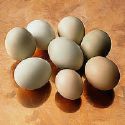
3557864019.jpgOne of the top posts of this website is about eggs.  It has really been a puzzle to the medical community as to how this seemingly affordable and easy available food can be so intriguing in terms of its good and bad effect on health.  Its really an option for anyone to take which sides you are depending on what study you read.

A recent publication from the Harvard Health Publications regarding the myths and facts on eggs is worth mentioning here for my readers to know my answer when they ask…Can I eat eggs everyday doc?

___________________________________________

BOSTON, MA – Common misconceptions keep many people, especially those worried about heart disease, from eating eggs. The July issue of the Harvard Heart Letter unscrambles the dietary facts and myths about the egg.

Fact: Eggs are a good source of nutrients. One egg contains 6 grams of protein and some healthful unsaturated fats. Eggs are also a good source of choline, which has been linked with preserving memory, and lutein and zeaxanthin, which may protect against vision loss.

Fact: Eggs have a lot of cholesterol. The average large egg contains 212 milligrams of cholesterol. As foods go, that’s quite a bit, rivaled only by single servings of liver, shrimp, and duck meat.

Myth: All that cholesterol goes straight to your bloodstream and then into your arteries. Not so. For most people, only a small amount of the cholesterol in food passes into the blood. Saturated and trans fats have much bigger effects on blood cholesterol levels.

Myth: Eating eggs is bad for your heart. The only large study to look at the impact of egg consumption on heart disease—not on cholesterol levels or other intermediaries—found no connection between the two. In people with diabetes, though, egg-a-day eaters were a bit more likely to have developed heart disease than those who rarely ate eggs.

  • If you like eggs, eating one a day should be okay, especially if you cut back on saturated and trans fats.
  • Other ways to enjoy eggs without worrying about cholesterol include not eating the yolk, which contains all the cholesterol, or using pourable egg whites or yolk-free egg substitutes.

____________________________________________

One major reason why we advocate a low cholesterol diet is that any diet that is high in cholesterol may downregulate LDL-receptor (Bad cholesterol) synthesis which are the receptors that degrade or breakdown the bad cholesterol in our body. This bad effect apparently becomes more pronounced if the diet is also high in saturated fat because it can interfere with receptor binding and removal of the bad cholesterol and therefore accumulates in our system!

Likewise… if you eat a high cholesterol food…it is almost always associated with a high saturated fat meal! If you love egg yolk then it means the meal may also have steak or fried pork and other oily foods in it! This spells DISASTER!

Almost always… it’s already a cliche: eat everything in moderation.  I will continue to advocate 2 x or less eggs per week for my patients until more solid evidence tells me otherwise. 

It’s a matter of choosing the right food for a healthy body.

The Good and The Bad Cholesterol…

October 9, 2007

2840505959.jpgWe know the bad effects of cholesterol in our body.  Marketing strategies have incorporated cholesterol as part of the game plan: low fat,  low cholesterol, no cholestrol in their products.  As physicians, we also take note of patients lipid profile which gives us the whole picture on patients cholesterol profile.  It is therefore not sufficient to jut check a total cholesterol because ones total cholesterol may be high because of a high Good cholesterol or HDL.  Targeting the BAD cholesterol or LDL has been the mainstay in our practice especially among our patients with high blood pressure and diabetes.  Our goal is to reduce a patient’s risk to suffer from a stroke or heart attack! 

But is lowering LDL or the bad cholesterol enough to decrease a patients risk?  And how important is the Good cholesterol in the equation?

Recently a study published in the NEJM September issue  looked at this specific question and showed that Both should be addressed.  

_____________________________________________

Background High-density lipoprotein (HDL) cholesterol levels are a strong inverse predictor of cardiovascular events. However, it is not clear whether this association is maintained at very low levels of low-density lipoprotein (LDL) cholesterol.

Methods : A post hoc analysis of the recently completed Treating to New Targets (TNT) study assessed the predictive value of HDL cholesterol levels in 9770 patients.

Results : The HDL cholesterol level in patients receiving statins was predictive of major cardiovascular events across the TNT study cohort, both when HDL cholesterol was considered as a continuous variable and when subjects were stratified according to quintiles of HDL cholesterol level.

Even among study subjects with LDL cholesterol levels below 70 mg per deciliter, those in the highest quintile of HDL cholesterol level were at less risk for major cardiovascular events than those in the lowest quintile (P=0.03).

Conclusions: 

  •  In this post hoc analysis, HDL cholesterol levels were predictive of major cardiovascular events in patients treated with statins.
  • This relationship was also observed among patients with LDL cholesterol levels below 70 mg per deciliter.

________________________________________________

Lowering the LDL or bad cholesterol will remain the primary goal of therapy while not neglecting to make sure that the HDL should be made higher than 45 mg/dl.  Dietery intervention can only do so much in lowering LDL but we have ways to increase the HDL by dietary and behavioral means including exercise.Do check my post on How to Increase Your HDL for further tips in what to eat and do to improve your HDL!

In Health: Its The Balance Between the Good and The Bad!

Eating Together As A Family… Is Healthy!

October 5, 2007

2746116766.jpgSpending quality time with your kids have a lasting impact not only in the way children will remember us as caring parents but have been shown to have lasting impact in the way these kids eat as adults.  The way kids eat help the way they shape their health because lifestyle habits have been shown to have the most impact if started early in life!

A new study that looked at the impact of eating together as a family involved more than 1,500 students surveyed once during high school and again when they were 20 years old specifically ” to determine the long-term effects of family meals on diet quality, social eating, meal structure and meal frequency.” This study published in  September Journal of the American Dietetic Association gives us a glimpse that the truth of all the problems we have now in terms of poor eating habits among our children may stem from the fact that we may not be spending enough time with our kids….

____________________________________________

The Objective: To describe meal patterns of young adults and determine if family meal frequency during adolescence is associated with diet quality, meal frequency, social eating, and meal structure during young adulthood.

Surveys and food frequency questionnaires were completed by 946 female students and 764 male students in high school classrooms at Time 1 (1998-1999; mean age 15.9 years) and by mail at Time 2 (2003-2004; mean age 20.4 years).

Results:

  • Family meal frequency during adolescence predicted higher intakes of fruit, vegetables , dark-green and orange vegetables, and key nutrients and

  • Family meal frequency was associated with lower intakes of soft drinks during young adulthood.

  • Frequency of family meals also predicted more breakfast meals in females and for both sexes predicted more frequent dinner meals.

  • Family Frequency also was associated with higher priority for meal structure , and higher priority for social eating.

Conclusions : Family meals during adolescence may have a lasting positive influence on dietary quality and meal patterns in young adulthood.

____________________________________________

There you go my friends.  Children need our help, our support and our guidance.  They should be taught well the younger they are the better! They need our company not only for fun but to know whats right and proper…including choices of the right healthy food!  Meaning as parents we should also set the right example of what to eat and what NOT to eat!

Make sure we take time to earn a living but not to forget that we have other obligations to our children and family!  Its should be a good balance in life that one should aim for… that can make one a better person both as a family man and as a good individual in the society.

Ensure the health of our children… one way is to….

Spend More Time With Your KIDS!

The Danger of Eating French Fries…or Why Trans Fat Is Bad!

September 15, 2007

I have been an advocate of avoiding fried foods.  However firm we are in avoiding frying foods, you sometimes cant help and avoid enjoying eating foods that are fried…not only are they crunchy but they also taste so good.  So resisting the temptation to enjoy great food is difficult. But at the expense of health and heart attacks!

I came across a recent article in the Harvard Medical School Health Publication: HealthBeat which I want to share especially to parents who allow their kids to enjoy french fries almost at every meal.

________________________________________

 If you needed another reason to avoid trans fats, here it is. Researchers with the ongoing Nurses’ Health Study measured the amount of trans fat stored in red blood cells. Among the 32,000 middle-aged women participating in the study, 166 had heart attacks or died of heart disease during a six-year period. Their red blood cells had slightly higher loads of trans fat than did red blood cells of 327 women of the same ages and characteristics who remained free of heart disease.

Artificial trans fats are found in hard margarines, many commercially baked goods, and the fried foods in many restaurants, and research has consistently shown they aren’t good for the heart and blood vessels. Across the board, the more trans fat in red blood cells, the greater the chances of having a heart attack. Women with the highest trans fat load had triple the risk of women with the lowest. This study, published in the April 10, 2007, Circulation, strongly supports recommendations by the Institute of Medicine and the USDA’s Dietary Guidelines for Americans to cut back — or better yet, cut out — trans fats in the diet. Eliminating them from the food supply could avert as many as 264,000 heart attacks and heart-related deaths each year in the United States alone.

Trans Fats at Home and Abroad

A prime source of trans fat is partially hydrogenated oil, which many fast-food restaurants continue to use for deep frying. To see if this differed by country, three Danish doctors determined the trans fat content of French fries and chicken nuggets bought in 24 McDonald’s and KFC restaurants on four continents. As shown above, a large fries-and-nuggets combination delivered 10 grams of trans fat in New York City but less than a gram in Denmark, which limits the use of trans fats. A similar serving of fries and chicken nuggets in a KFC in Hungary delivered a whopping 25 grams of trans fat.

_________________________________________

Anothr reason to be alarmed over what we preceived a s a way of showing affection and reward to our kids… Crunchy fried chicken and french fries.  If we indulge in these kinds of foods once in a while or only during children’s parties .. its acceptable BUT if our kids eat only fried foods because that’s the only food they will eat then it will do no good to their future!

Start training them young.  My friend Maxim is one nice guy to dine with because he’s health conscious and therefore you tend to follow what he eats or be conscious of what you order.  And I guess there is so much truth to the study that showed…if your friends are obese, the more likely you will too….

A Feast with French Fries is A Feast with Trans Fat!

Just A Plate A Meal…To Make You Lose Weight

August 27, 2007

I’ve been counseling my patients with regard to a meal that they should only eat the foods that can fit in a plate and that’s it! I have written about it here in my website: The Will Power To Stop the Urge To Eat suggesting that the food should consist of rice, 2 slices of meat, 2 cups of vegetables and a fruit.  I was actually happy to know that a August 2007  article in the Harvard Health Letter recommends the same concept:

__________________________________________________

Balance your plate

Balance Your Plate

A balanced plate helps you reduce your total calories, reduce the saturated fat and carbohydrates in your diet, and increase heart-healthy nutrients like antioxidants, B vitamins, and fiber.

It’s also important to make sure you’re getting all the important nutrients your body needs. Here’s an easy way to see if you’re eating a well-balanced meal. As you prepare or serve your food, think of a three-section plate.

In the big section (half of the plate), serve yourself two different vegetables or a vegetable and a fruit. In one of the two smaller sections (a quarter of the plate), put a serving of fish, poultry, beans (like black, pinto, or kidney beans), or another healthy protein. Fill the remaining section with a whole grain, such as brown rice or a whole-wheat roll, or another healthy carbohydrate.

As you divide your plate, keep in mind that vegetables are not all the same. Starchy vegetables-sweet potatoes, peas, corn, and winter squash-have about triple the amount of calories and carbohydrates as nonstarchy vegetables. So reserve the vegetable section for the likes of broccoli, leafy greens, tomatoes, carrots, and green beans. And put starchy (but nutrient-filled) vegetables in the carbohydrate quarter.

A balanced plate helps you reduce your total calories, reduce the saturated fat and carbohydrates in your diet, and increase heart-healthy nutrients like antioxidants, B vitamins, and fiber.

__________________________________________________

Simple and Balanced… Easy to remember.  It is the concept and remembering it that counts.  I have been sticking to this simple formula for a long time and I myself is doing this to limit and balance my meals.  Likewise this is one way to limit intake and therefore lose weight.

BUT on very important maneuver to do to make this diet a success is to avoid further visual stimulation by leaving the table after consuming the food in the plate!  Otherwise the temptation to eat more will overcome the discipline to eat the balanced meal prepared on the plate!  Guilty? 

A Balanced Diet In A Plate For Health!

Grapefruit and Your Medications…

August 24, 2007

2592766622.jpgIt is very important that one should be careful with food to drug or drug to drug interactions.  It is for this reason that as physicians, we are so careful in allowing our patients to take any medications without our knowledge.  Chinese medications for example can be a headache because patients can just buy them anywhere.  They work BUT what do they contain and what are the side effects?

Similar problems can be encountered with foods like fruits.  Take grapefuit as an example. I was asked this question several times so I thought of sharing this information to all.

There’s no question that grapefruit juice provides many nutrients, such as vitamin C and lycopene or fiber that can help lower cholesterol and triglyserides.  But  the pulp and the peel can also contain chemicals that can affect the actions of certain medications by interfering with the enzymes that break down the drugs in your digestive system. This interaction can be deleterious as the patient can have an excessively high levels of the active drug compound resulting in an increased risk of serious side effects.

This caution includes dietary supplements that contain grapefruit bioflavonoids – because in itself…it can also interact with certain medications. So be sure to read labels of your viatmins that may contain this compound.

Below is the list of drugs that one should avoid if you are a fan of grapefruit or better still take caution with these drugs if you eat grapefruit.  The list came from the Mayo Clinic Health Site.

Grapefruit and drug interactions
The following drugs are known to have potentially serious interactions with grapefruit products, tangelos and Seville oranges.
Drug name Type of drug
Carbamazepine (Carbatrol, Tegretol) An anti-seizure medication
Buspirone (BuSpar), clomipramine (Anafranil) and sertraline (Zoloft) Antidepressants
Diazepam (Valium), triazolam (Halcion) Tranquilizers
Felodipine (Plendil), nifedipine (Adalat, Procardia), nimodipine (Nimotop), nisoldipine (Sular) and possibly verapamil (Isoptin, Verelan) Calcium channel blockers used to treat high blood pressure
Saquinavir (Invirase) and indinavir (Crixivan) HIV medications
Simvastatin (Zocor), lovastatin (Mevacor, Altoprev) and atorvastatin (Lipitor), simvastatin-ezetimibe (Vytorin) HMG-CoA reductase inhibitors used to treat high cholesterol
Cyclosporine (Neoral, Sandimmune), tacrolimus (Prograf) and sirolimus (Rapamune) Immunosuppressant drugs
Amiodarone (Cordarone) A drug used to treat and prevent abnormal heart rhythms (arrhythmias)
Methadone Pain relief medication
Sildenafil (Viagra) Erectile dysfunction medication

Other sources of Vitamin C like oranges, and lemons are okay to eat and have not been shown to affect drug levels.

Remember, the effect of this food to drug interaction can last from 1 to 3 days so please advise your doctors especially if you are taking certain drugs whose level if they go up can have serious effects like the blood thinning medication warfarin or coumadin.

The bottom like is: … dont take anything without checking!  Please be very cautious in taking supplements or chinese medications. Check with your doctors first.  Dont believe your friends or the advertisers that they’re safe!

I guess it’s the same thing in business and personal relationships … dont get into something that you are not sure of because trouble will hit you and hit you HARD!!!!

Better To Be Sure Than SORRY!

Alcohol Lowers Blood Pressure and Heart Attack Risk…

August 14, 2007

3161158791.jpgAfter a hectic schedule or meeting or after a stressful event …one gets invited for a drink!  And one of the common questions I get from friends or patients alike is the question of how BAD is alcohol to one’s body Or how much alcohol can they take.

Alcohol for a diabetic patients is a no-no if one is poorly controlled BUT once the blood glucose is well controlled… alcohol can be made part of the total caloric load as long as it doesnt exceed 2 drinks a day! And this is true to patients with hypertension or cholesterol problems as well.

I came across a very good article from the Harvard Health Letter which I want to share.  Aparently, drinking alcohol can have beneficial effects on one’s blood pressure and the risk of heart attack!

________________________________________________

Lay off alcohol is one of the first things people with newly diagnosed high blood pressure are told. Alcohol can cause high blood pressure as well as contribute to it. Abstinence, though, might not be necessary, and may even deny some folks a pleasurable way to ward off heart attacks.

A long-term study of male health professionals suggests that responsible, moderate drinking may benefit people with high blood pressure. In a study published in the January 2, 2007, Annals of Internal Medicine, only 4.9% of the men with high blood pressure who classified themselves as moderate drinkers (one or two drinks a day) had a heart attack during 16 years of follow-up, compared with 6.7% of nondrinkers. That’s about a 25% reduction in heart attack risk. The results are similar to a study of male doctors, which showed fewer deaths due to cardiovascular disease among moderate drinkers than nondrinkers over a five-year period.

Keep in mind that this work shows the average response to alcohol. How it affects you depends on your genes, metabolism, diet, and medications, as well as you and your family’s relationship with alcohol.A drink a day won’t help your blood pressure. (If you are concerned about it, use a home blood pressure monitor that’s been checked at your doctor’s office to make sure it is accurate.) But along with a healthful lifestyle, moderate drinking could protect you from one of its feared effects — a heart attack.

 ______________________________________________


Again…. the old cliche…


Be Safe…Drink in Moderation!


Adding TAX on Mc Donald’s Burger and Fries…

August 6, 2007

imagessdfert.jpg

I came across a very unique study that has probably never been done before.  How about adding extra tax everytime we take unhealthy fast foods ? Everytime we hear about being FAT and unhealthy…it has always been associated with Mc Donalds because of the way the place used to cook meals using high saturated fat or trans fat products.  Likewise the marketing strategy of UPSIZING french fries and burgers with unlimited soft drinks have been blamed as culprits for the majority of the Obesity epidemic in America and probably in the world as Mc Donalds has crossed barriers and invaded every nation in the world!

 The study was published recently in the Journal of Epidemiology and Community Health and looked at the assumption of extending vlaue added tax to unhealthy foods and what could be its impact in terms of health and economic costs : Could targeted food taxes improve health?  J. Epidemiol. Community Health, Aug 2007; 61: 689 – 694.
_______________________________________________________________________________

Data: Consumption patterns and elasticity data were taken from the National Food Survey of Great Britain. The health effects of changing salt and fat intake were from previous meta-analyses.

Results: (1) Taxing only the principal sources of dietary saturated fat is unlikely to reduce the incidence of cardiovascular disease because the reduction in saturated fat is offset by a rise in salt consumption. (2) Taxing unhealthy foods, defined by SSCg3d score, might avert around 2300 deaths per annum, primarily by reducing salt intake. (3) Taxing a wider range of foods could avert up to 3200 cardiovascular deaths in the UK per annum (a 1.7% reduction).

Conclusions: Taxing foodstuffs can have unpredictable health effects if cross-elasticities of demand are ignored. A carefully targeted fat tax could produce modest but meaningful changes in food consumption and a reduction in cardiovascular disease.

____________________________________________________________________________________________________

Probably based on this study…it can work! and most likely as a last resort to our continuing battle against the BULGE!   But again it may not plainly because people will still look for things they’ve been used to liking.  Just look at cigarettes and alcohol.  Even with the so called SIN taxes on these products, people continue to splurge and enjoy them no matter the consequences.In short… everything boils down to DISCIPLINE and CHARACTER if we have to change the habit of EATING of every individual and the country as a whole.  And to be successful… this should be shaped during childhood! 

Remember if you’re child is obese by 6 years old…his likelihood of becoming obese for life is 40% and if he is obese by 12 years old… his chances of becoming obese for life is 80%!

Tax or No Tax… The Discipline Starts at HOME!

The Protective Effect of Mediterranian Diet

August 3, 2007

imagesafg.jpgA diet that’s high-fat… because of the large amounts of monounsaturated fatty-acid-rich olive oil used in Mediterranean cultures—may be a useful tool against blocking of the arteries, particularly in individuals at high risk of developing heart disease.

A new study looking at High Mononunsaturated Fat( MUFA) diet has finally proven the proponents of this diet to be protective was recently published in the June 11, 2007 issue of the Annals of Internal Medicine.

______________________________________________ 

Interventions: Participants were assigned to a low-fat diet (n = 257) or to 1 of 2 Mediterranean diets. Those allocated to Mediterranean diets received nutritional education and either free virgin olive oil, 1 liter per week (n = 257), or free nuts, 30 g/d (n = 258). The authors evaluated outcome changes at 3 months.

Results:  Compared with the low-fat diet, the 2 Mediterranean diets produced beneficial changes in most outcomes. Compared with the low-fat diet, the mean changes in the Mediterranean diet with olive oil group and the Mediterranean diet with nuts group were –0.39 mmol/L (95% CI, –0.70 to – 0.07 mmol/L) and – 0.30 mmol/L (CI, –0.58 to – 0.01 mmol/L), respectively, for plasma glucose levels; –5.9 mm Hg (CI, –8.7 to –3.1 mm Hg) and – 7.1 mm Hg (CI, –10.0 to –4.1 mm Hg), respectively, for systolic blood pressure; and –0.38 (CI, –0.55 to – 0.22) and – 0.26 (CI, –0.42 to –0.10), respectively, for the cholesterol–high-density lipoprotein cholesterol ratio. The Mediterranean diet with olive oil reduced C-reactive protein levels by 0.54 mg/L (CI, 1.04 to 0.03 mg/L) compared with the low-fat diet.

 Conclusion: Compared with a low-fat diet, Mediterranean diets supplemented with olive oil or nuts have beneficial effects on cardiovascular risk factors.

_____________________________________________ 

In short… participants in the two Mediterranean-diet groups had significantly lower mean plasma glucose levels, lower systolic blood pressure, and lower total-cholesterol/HDL-cholesterol ratios than those in the low-fat-diet group… which may explain the protective effects of this diet to develop heart disease.  

So what diet Do I recommend to my Patients? 

Ive been proponent of a 40% of total calorie diet to be from fat with 20% of total calories from MUFA.  Ive been pretty successful with this diet in terms of regulating my patients Blood sugar and lipids while maintaining their weight!  This study really proves me right. 

You will not go wrong having a diet rich in fruits and vegetables and supplemented with virgin olive oil and nuts…it’s a diet proven to  improve cholesterol ratios and the effects on blood pressure and inflammation.   One option to Olive oil that we can use daily in our cooking is Canola Oil which is also rich in MUFA and PUFA.  Likewise taking walnuts or cashew nuts for snacks as healthy alternatives to burgers and fries!

As The Saying Goes…GO NUTS!

Orange Juice Can Prevent Kidney Stones

July 31, 2007

imageserty.jpgGood news for orange juice drinkers.  More benefits come your way than just taking the extra Vitamin C with this new study looking at extra help of orange juices in prevnting kidney stones.

It is known in the medical community that potassium citrate found in most citrus juice can slow down formation of kidney stones BUT are all citrus fruits the same?.

In a recent study by a team from the University of Texas Southwestern Medical Center at Dallas, published in Oct. 26 issue of the Clinical Journal of the American Society of Nephrology found that components found in orange juice can affect a juice’s ability to prevent stones.  In the study the volunteers drank 13 ounces of orange juice, lemonade or distilled water three times a day with meals. They were also put on a low-calcium, low-oxalate diet, which also helps cut stone formation.

The Results:

One possible explanation as to why OJ is better than Lemonade is that the citrate in orange is accompanied by a potassium ion ( the same goes with Grapefruit) while the citrate in lemonade and cranberry juice is accompanied by a hydrogen ion.  The problem with hydrogen ions is that they counteract the beneficial effects of high citrate content while potassium ions do not!!!

So…. for those with risks to develop Kidney stones, here’s one that we can incorporate in our diets!  One that we can enjoy every morning with our breakfast!

An OJ Each Day May Prevent Stones Today!

Dark Chocolate for Hypertension? Anyone?

July 30, 2007

22173473171.jpgWe have long heard about the good news of enjoying dark chocolates.  The mere thought of eating one makes your tummy growl for food! Just recently while browsing my JAMA journal noted another study on dark chocolate which is really good news to chocolate lovers.

The July 4, 2007 issue of the Journal of the American Medical Association reported a new study to show the benefits of cocoa in dark chocolate long-term — the study lasted 18 weeks.  

This study is a well conducted study being a randomized, controlled, investigator-blinded, parallel-group trial with 44 adults, aged 56 to 73, with untreated mildhypertension without concomitant risk factors.  This study is well matched and the two groups compared were given either a one square (6.3 g) of a commercial brand of dark chocolate per day, constituting just 30 kcal, or white chocolate which is  polyphenol-free to enjoy for 18 weeks.

Results Are Amazingly GOOD NEWS:

From baseline to 18 weeks, dark-chocolate intake reduced mean systolic BP by 2.9 mm Hg (p<0.001) and diastolic BP by 1.9 mm Hg (p<0.001) without changes in body weight, lipids, glucose, or 8-isoprostane. Hypertension prevalence decreased from 86% to 68%.  There was  a sustained increase of S-nitrosoglutathione by 0.23 nmol/L (p<0.001) and the appearance of cocoa phenols in the plasma among the dark chocolate eaters.

Te reseacrchers explain the phenomonon: “The apparent mechanisms by which dark chocolate lowered BP suggests a chronic increase in the production of nitric oxide in the vascular endothelium… and it is likely that cocoa flavanols in dark chocolate were responsible for the observed effects on S-nitrosoglutathione and BP.”

BUT before everyone indulges on dark chocolates… it is important to remember that it should be DARK and not Milk or White chocolates…likewise keep in mind the AMOUNT because remember the CALORIES! The one square of dark choco can give you around 30 kcal per day.

A Chocolate A Day Keeps Your Doctor Away!

How Much Salt Can We Take?

July 28, 2007

imagessd.jpgThe new recommendations from the American Medical Association should be a wake up call to all of us.   We know that salt is important for the taste of our foods but taking too much can be harmful.  As physicians weve been harping on lowering salt intake to our patients when they prepare their foods not recognizing that the culprit may actually be food in the restaurant and the processed foods we buy in the groceries!

We know from studies that populations with an average sodium ingestion of less than 1400 mg/day have virtually no hypertension BUT the average intake of salt in the world is around 4000 mg per day while Filipinos usually take in more.  This is way above the recommended daily allowance of 2000 to 2300 mg per day.   

The recently published advisory in the Archives of Internal Medicine, July issue urged the Food and Drug Administration to take a look at the standards set for salt and to limit sodium in processed and restaurant foods. It is recommneded that a minimum 50% reduction in sodium in processed foods, fast-food products, and restaurant meals should be sought in the next decade it we have to decrease the risks associated with high blood pressure. More so to address the labelling of products known to contain High Salt levels.

The AMA paper has this to say: 

“Across populations, the level of blood pressure, the incremental rise in blood pressure with age, and the prevalence of hypertension are directly related to sodium intake. Observational studies and randomized controlled trials document a consistent effect of sodium consumption on blood pressure. The majority of sodium consumption in the United States is derived from amounts added during food processing and preparation. Leading scientific organizations and governmental agencies advise limiting sodium intake to 2400 mg or less daily (approximately 6000 mg of salt). Substantial public health benefits accrue from small reductions in the population blood pressure distribution. A 1.3-g/d lower lifetime sodium intake translates into an approximately 5-mm Hg smaller rise in systolic blood pressure as individuals advance from 25 to 55 years of age, a reduction estimated to save 150 000 lives annually.

With an appropriate food industry response, combined with consumer education and knowledgeable use of food labels, the average consumer should be able to choose a lower-sodium diet without inconvenience or loss of food enjoyment. In the continued absence of voluntary measures adopted by the food industry, new regulations will be required to achieve lower sodium concentrations in processed and prepared foods.”

A Pinch Of Salt For A Healthy You!


Can Diet Coke Cause Heart Disease?

July 25, 2007

212693807.jpgI usually allow my patients to drink soda as long as it is a “diet” or “light” soda…meaning, no sugar added but the sweetness is plainly due to an approved sweetener.  I usually caution them to drink only 1 can a day and not more.  The only concern I have is the amount of sodium in the soda rather than it causing harm to my diabetic patients.  It is therefore rather surprising to me that a study published in Circulation July 24 issue came up with a warning that “drinking more than one soda a day — even if it’s the sugar-free diet kind — is associated with an increased incidence of metabolic syndrome, a cluster of risk factors linked to the development of diabetes and cardiovascular disease.”

The study is not the ideal study population or method that can come up with a firm conclusion or assoiciation since this is a population based study where more than 6,000 participants in the Framingham Heart Study were followed up since 1948.  The study found that after four years of the study, “people who consumed more than one soft drink of any kind a day were 44 percent more likely to develop metabolic syndrome than those who didn’t drink a soda a day.”

Theories as to why this happen are intriguing steming from the fondness of sugary foods among people drinking soda to the caramel content of the soda promoting metabolic changes in the body.  Unfortunately, this study only proves a possible association and cannot in itself infer causality.  In other words…There is no proof that soda in itself is the culprit until further studies on causality can be done.

So if you love soft drinks then I would recommend allowing yourself to enjoy a”diet” or a “light” soda and only 1 can per day.  Overconsumption of a certain food does not allow one to prevent a disease by consuming more of a certain beverage even if it deemed safe by the medical community.

So…Can Diet Coke Cause Heart Disease? 

I doubt it.  This is only an observational study.  The same kind of method that initially suggested that Estrogen hormone therapy can lower ones risk for heart disease but eventually when a randomized prospective study was done… hormone replacement therapy actually increased ones risk for heart disease. BUT the study for me tells us only one thing: that even if it is “diet and has zero calories does not mean it is safe to over indulge!

The American Heart Association continues to recommend low calorie beverage as a good option for a healthy meal and likewise issued a statement :

“Since this is an observational study, it is important to note that the study does not show that soft drinks cause risk factors for heart disease. It does show that the people studied who drank soft drinks were more likely to develop risk factors for heart disease.

“However, it is possible that other factors could explain this relationship. Often people who drink soft drinks also eat and drink more calories, saturated fat and trans fat and less fiber and dairy products. Also, these people tend to be less physically active. This was true among the subjects in this study.”

So for me … the verdict is in:

It’s the LIFESTYLE Not The Drink! 

Read My Other Related Posts:

Foods To Avoid If You Have High Uric Acid or GOUT!

July 18, 2007

2325435892.jpgThe scenario is common: the patient goes to sleep then around early dawn, he is awakened by severe pain in the big toe followed by fever and chills. This is almost always the symptom of a gouty attack!!!!  This condition affects the age group 30 to 50 years old and is the most common cause of joint pain among men.

Hyperuricemia or an excess of uric acid in the blood is the culprit for gout and is very common among diabetic patients. Likewise, in general population, gouty arthritis due to high uric acid commonly manifests as pain in the joints especially the big toe.  Unfortunately people always mistake any form of joint pains in the body as due to uric acid and therefore wants to avoid food associated with gout.  To be sure therefore if your joint pains are due to this disease, a simple blood test called uric acid can easily be determined in any lab.

NO NO if You Have GOUT or High Uric Acid:

  • The NUMBER ONE on my list is ALCOHOL!!!!
  • Anchovies
  • Gravies
  • Herring, Sardines
  • Mussels or Tahong
  • Internal Organs like liver, kidney
  • Dinuguan, Chicharon Bulaklak
  • Mackerel
  • Patis and Soya Products
  • Bacon and scallops

Use in Moderation:

  • Crabs, Oysters, Shrimps, and eel
  • Poultry and Meat incluidng soup and broth
  • Oatmeal
  • Certain Veggies like asparagus, spinach, mushroom and cauliflower
  • Legumes like beans or lentils

Once given a diagnosis, it is prudent that one takes care of it since the condition can recur and if not treated well may lead to other complications like kidney stones! Yikes!

Taking simple steps starting with our diet can go a  long way in improving our health….

Eat To Live and Not Live To Eat!

The Will Power To Stop The Urge To Eat…

July 11, 2007

3582617281.jpgI follow this simple principle to following a strict dietary habit that I feel is the most rewarding in terms of curbing one’s desire to eat… and eat MORE!

When I see a patient in the clinic who is apparently Gaining Weight or with fluctuating blood sugars especially 2 hours after a meal, I know there is a problem of Discipline and Will Power. The Urge to Eat defeated his Desire to stop eating and as a result, the patient gains weight and has high blood sugar levels. 

Because of my family history of Diabetes with my two siblings having Prediabetes, my risk is high to have the same problem…so I follow what I preach to my patient.  Experience wise…I know the Will Power should defeat the Urge To eat!

It may not be easy but it’s a doable thing.  I eat my oat meal for breakfast at around 6 AM. I then have a half of a sandwich by 9 AM plus a cup of Kafe Latte which I place in my coffee heater and have small sips in between patients and finish it by 12N.  Dont wait before you feel hungry beofre having lunch- eat at 12N whether you’re hungry or not! Sometimes the Desire to eat more can be rather strong but if you have the Will Power then after finishing a plate of half a cup of rice, 1 slice of meat/fish and veggies you should STAND UP and leave the dining table and start working on something else.  If you continue to nurture that desire to eat then definitely you will eat more! Then the guilt feeling starts to sink in once you feel bloated and FULL! You therefore FAILED!

Then slowly, you will notice that you feel good because you were disciplined enough to know when to stop and fight that bad desire to make you sick!

Remember my simple meassage of Will Power… and if you carry this habit for life… then I guarantee you good health.  Remember also that everything that comes out in our body comes from what and how much we put inside our mouths! Out due to IN!

Have the Will Power To Fight The Urge To Eat For Health! 

Are You Eating What’s Right For Your Bones? … Nutrition and Osteoporosis

July 3, 2007

Bone health is an important part of one’3681618293.jpgs yearly checkup.  The loss of bone mass contributes to early disability and death if the consequences of bone disease take its toll.  Fractures involving the spine and the hip contribute to significant morbidity and mortality that prevention of bone loss is the KEY!

Heres an important Fact Sheet from the University of Nebraska that I want to share because this involves common concepts in bone health involving common foods that we eat:

______________________________________________________________

While dietary calcium and vitamin D are important in helping prevent or treat osteoporosis, the following dietary concerns also come into play.

1.Fiber. Excessive fiber can interfere with calcium absorption. Dr. Miriam Nelson (author, Strong Women, Strong Bones) advises that the fiber occurring in food is probably not a problem. But, if you’re sprinkling extra fiber on food, such as bran on cereal, that might affect calcium absorption.

2.Caffeine. Excessive caffeine can increase urinary excretion of calcium. A 6 oz. cup of coffee has about 100 milligrams caffeine — the actual amount would depend on brewing time, etc. Tea, soft drinks and various medications also can contain caffeine. There are about 40 milligrams of caffeine in 6 oz. of regular brewed tea; green tea may contain less caffeine. Some soft drinks are comparable to tea in caffeine content.

3.Excessive sodium. Excessive sodium can increase urinary calcium excretion. Go easy on the salt shaker; taste before you salt. Limit the number of high salt foods. The Food and Nutrition Board recommends sodium be limited to 2,400 mg daily.

4.Alcohol. Consuming more than seven alcoholic drinks per week is associated with an increased risk of low bone density and of falls and fractures. Obviously, you shouldn’t drink seven drinks all in the same day.

5.Oxalic acid. This acid, present in certain foods, such as spinach, chard and beet greens, binds up the calcium in these foods. However, it doesn’t seem to affect the calcium in foods served with them. These greens are still good for you and may actually help improve calcium status in other ways. Also, though chocolate is a source of oxalic acid, it doesn’t seem to tie up the calcium in milk if you drink chocolate milk.

6.Soft drinks. When soft drinks replace milk as a beverage, individuals are drastically reducing the calcium content of their diets.

______________________________________________________________

Nutrition will always remain a part of once daily life whether for health and to prevent disease… be it for diabetes, obesity,hypertension or osteoporosis.

Eat Right, Be Light and Live Longer!

Read My Other Related Posts:

Tips To Eat Less

May 4, 2007

imagesl.jpgThe main obstacle in losing weight is FOOD. The availability of tasty high caloric foods  in a glance within minutes within our sight anytime and anywhere tempts us to eat, savor the taste and enjoy! That’s how man was born to live! To work hard and enjoy the fruits of ones labor by eating a satisfying meal after a hard days work.  Unfortunately… we enjoy the food so much and its overabundance has lead to a lot of suffering instead! 

BUT…by eating well and balancing the kinds of food and taking time to consider what to eat and how much during each meal should make a difference long term. 

I found this interesting  article on tips on how to eat small from the April issue of the Mayo Clinic Health Letter which I want to share: 

  • Select smaller bowls, plates and spoons for serving and eating. Research has shown that people eat more when food is served in or eaten from larger dishes.
  • Get rid of high-calorie leftovers; store them in inconvenient locations or in opaque containers. — Seeing a calorie-laden goody can trigger the desire to eat. Food in the basement pantry is less tempting than leftovers on the kitchen counter. Weight loss is easier when healthy, low-calorie foods are within sight and easy reach.
  • Buy small packages and serve or order small quantities. Larger packages or larger portions often lead people to eat more than they would if the serving or package were smaller. After serving appropriate portions, put leftovers away immediately or, at a minimum, keep the serving dishes off the dining table.

Actually, we know these tips exist but constant reminder may help us follow these tips if we are really serious in our quest for…

Better Health Through Healthy Weight!

Are Eggs Healthy To Eat?

May 2, 2007

4069335754.jpgI just received a comment from Nick regarding my post on ” Can I Eat Eggs Everyday” (My most popular post!) and I guess based on the many comments I received, we continue to have mixed beliefs on whether to eat eggs daily or its unsafe to do so because of the risk of heart disease.

So far, I agree with Nick that not a lot of prospective studies have been done to look at eggs per se and heart disease but rather its the relationship between the amount of saturated fat and cholesterol and heart disease that we all know exists.

Here’s a timely article from the Harvard Medical Letter  on the Myths and Facts of Egg Nutrition and Health:

Fact: Eggs are a good source of nutrients. One egg contains 6 grams of protein and some healthful unsaturated fats. Eggs are also a good source of choline, which has been linked with preserving memory, and lutein and zeaxanthin, which may protect against vision loss.

Fact: Eggs have a lot of cholesterol. The average large egg contains 212 milligrams of cholesterol. As foods go, that’s quite a bit, rivaled only by single servings of liver, shrimp, and duck meat.

Myth: All that cholesterol goes straight to your bloodstream and then into your arteries. Not so. For most people, only a small amount of the cholesterol in food passes into the blood. Saturated and trans fats have much bigger effects on blood cholesterol levels.

Myth: Eating eggs is bad for your heart. The only large study to look at the impact of egg consumption on heart disease—not on cholesterol levels or other intermediaries—found no connection between the two.

In people with diabetes, though, egg-a-day eaters were a bit more likely to have developed heart disease than those who rarely ate eggs.If you like eggs, eating one a day should be okay, especially if you cut back on saturated and trans fats. Other ways to enjoy eggs without worrying about cholesterol include not eating the yolk, which contains all the cholesterol, or using pourable egg whites or yolk-free egg substitutes.

There you go: if you want to eat eggs daily: cut back on other sources of fat. It’s the yolk that’s rich in cholestrol so use it sparingly and instead enjoy the egg whites!

The Controversy Continues…..

Read My Other Related Posts:

Losing Weight By Managing HUNGER

April 30, 2007

imagesrt.jpgOf the many diet fads that are out today… probably the one that I believe has the best physiological basis is limiting intake by preventing hunger.  And of the different foods that we eat, we seldom select which of the many can make us feel full faster without necessarily putting us off balance in weight!

In one study published in the European Journal of Clinical Nutrition, the lead author Dr Susan Holt established a satiety index. Taking similar portions of popular foods with the same amount of calories… then compare them with a slice of white bread, giving it a rank of 100.  The popular oatmeal ( which I eat every morning) has a high satiety level at 209.  The yummy doughnut on the other hand ranked 68. A similar calorie serving of boiled potatoes ranked highest at 323,  while French fries score just 116.

The above study shows that with the same amount of calories, eating a bowl of oatmeal already makes you feel full.  BUT you need to eat 3 to 4 doughnuts or 2 packs of french fries to reach your satiety level!  But how many calories have you accumulated?

Water on the other hnad play a very important role in achieving satiety BUT not the water we drink with our meals.  Talking about satiety or the feeling of fullness and satisfaction, unfortunately we dont feel that with water alone!  It’s the water or volume coming from the fruits and vegetables and soup that gives us the fullness faster.  THUS, the recommendation ( which I have been advising in the past) is to start ones meal with a broth based soup to help you achieve satiety faster at a lesser calorie load!

Managing hunger in between meals with snacks can also come a long way in helping you curb that urge to eat more when your hungry. Again high in volume from fruits like apple can help achieve that satiey faster with more fiber helping you achieve fullness longer!

The key to successful weight loss is based on what you feel you are comfortable with.  It has to be a discipline or habit change that you can sustain throughout your life…to be effective and lasting!

Eating What’s Right Does Not Mean Feeling Deprived!

A Way To Permanently Remain THIN

April 25, 2007

3582380440.jpgHave you experienced being envious to a friend who eats but never gets fat?  It may really be in the genes but now a new study can make this a reality if the problem is resolved early in life.  We know that by the time we drink milk… we see babies getting bigger and bigger because of the saturated fat and the high sugar content in full cream milk.  Once the habit of over feeding is in place… then the difficulty in losing the accumulated fat results when we reach adulthood.  Needless to say, the parents or the grandparents just want the babies to look fat so they can look CUTE!

29037632431.jpgIn a recent article published in the January 2007 issue of the American Journal of Physiology, incorporating LEPTIN in a baby formula resulted in subjects remaining slim with lesser chances of developing obesity related illnesses like diabetes even on a high fat meal.

Leptin, a breakthrough hormone in the field of obesity is the fat hormone that turns off hunger in the brain.  In the study, the rat subject fed with formula supplemented with leptin, remained slim even if they were fed with high fat diet!  SOUNDS GREAT! 

 This is the first study that looks so promising that incorporating leptin in a meal may hopefully mean the end to our quest to combat obesity!  It is still far from reality but again this can lead to more studies to exploit the finding and hopefully be funded to become what we hope to be reality!

The studies therefore help us understand that the effect of leptin in a human body may start early in life even before we are born.  In fact, feeding the hormone to pregnant rats resulted in a  animals born to remain lean even when fed a high fat diet, compared to animals born of untreated mothers suggesting the impact of leptin in the developing fetus!  The authors believe that “the difference boils down to energy expenditure. such that the offspring of leptin-treated mothers burn up more energy.”

More good news to us who love food and want to remain thin! The thought of just putting a pinch of leptin to a pound of steak of a pan of pizza seems Magic!

BUT…definitely for now… the recommendation remains: 

…eat the right food….

…..exercise daily and live positively…

Stay Healthy To Be Wealthy!