Archive for the 'Nutrition Health Tips' Category

Lower Your Risk To Develop Diabetes By Eating Veggies….

March 24, 2008

www.calpoly.edu/~lcimarel/vegetables.jpgWe all know veggies are good.  But this recent finding that veggies can prevent diabetes is a welcome news to us trying to curb the epidemic of this disease due to unhealthly lifestyle and poor dietary habits.

I have trained my kids to eat veggies.  I found it amusing that one day my son said to me:  “Dad my classmates are teasing me that I am a Vegetarian!”  Suggesting that of all his classmates, he was the only one who had veggies on his lunch box.  Lucky me… my kids love veggies….and for a good reason!

This good news about veggies and diabetes was published in the March 2008 issue of the Journal of Nutrition:

___________________________________________________________

A population-based prospective study of 64,191 women with no history of T2D or other chronic diseases at study recruitment and with valid dietary information.

The relative risk for T2D for the upper quintile relative to the lower quintile of vegetable intake was 0.72 (95%CI: 0.61–0.85; P < 0.01) in multivariate analysis. Individual vegetable groups were all inversely and significantly associated with the risk of T2D.

Fruit intake was not associated with the incidence of diabetes in this population.

Our data suggest that vegetable consumption may protect against the development of T2D.

__________________________________________________________________________

This data is great suggesting that those who consumed the highest amount of vegiies in 4-5 years reduced the likelihood of developing diabetes by 28%.  That is… taking 428 grams of veggies per day reduced ones chances to develop this chronic disabling disease compared to if you only take 121 grams of veggies per day!

The advantages of veggies is that it contains high fiber as well as other substances like phytates and isoflavones that may help in reducing the risk for developing diabetes.

Although fruits did not show benefit…it likewise did not show harm.  Just the same fruits have been shown to reduce the risk of developing other diseases like cancer or heart disease.  Such that… its intake remains to be a cornerstone in promoting health!

Train Yourself and Your Kids To Eat Veggies for Health!

Nutrition in Health and Disease….

March 17, 2008

This is called the Paradox of Food:  you need food to live and survive but the very reason for disease and illnesses stem from the abundance of food and poor nutrition!

I practice a field dealing with the metabolic diseases where poor nutrition plays a key role in its onset and progression to develop complications.  Control of blood glucose requires the right balance of nutrition, exercise and medications. The same formula apllies when treating obesity, hypertension and high cholesterol.

The problem with handling these diseases stem from the medical field lack of understanding of nutrition and the lack of importance given to medical nutrition therapy!   If you make rounds in the hospital … you see the diet prepared for a diabetic hypertensive is almost similar if not similar to the other patient in the other room who is not a  diabetic…  It may not be the dietician’s fault but the doctor prescribing the diet!  This is where I am very particular with my patients because I believe the long term success of successfully controlling their blood sugar or blood pressure or cholesterol stem from not what I give them as medications but what they take in as food!

The recent 2008 ADA recommendation for Nutrition  reasons out why Nutrition is important:

Clinical trials/outcome studies of Medical Nutrition Therapy have reported decreases in HbA1c (A1C) of 1% in type 1 diabetes and 1–2% in type 2 diabetes, depending on the duration of diabetes . Meta-analysis of studies in nondiabetic, free-living subjects and expert committees report that MNT reduces LDL cholesterol by 15–25 mg/dl . After initiation of MNT, improvements were apparent in 3–6 months. Meta-analysis and expert committees also support a role for lifestyle modification in treating hypertension .

The proportion of calories in the specific nutrition Rx will now be individualized and should be prescribed by your doctor.  I have my own personal dietician in my clinic now that I offer free couseling to my patients where personal preferences of food is taken into consideration.  I believe in individualized counseling so as to offer a  more successful diet regimen.  No prepared diets printed on a piece of paper!

I have been a proponent of using a 40% of total calories from carbohydrates for my diabetic patients as more and more data are coming out regarding the benefits of limited carbohydrate not only for losing weight but for better glycemic control.  It is but proper that for the first time the American Diabetes Association came up with their position paper recommending the same.

For me…it is plain and simple challenging one’s self discipline in not giving in to the “want” but following to the details of what is nutritious and healthy!!!

Live Life To The Fullest…By Eating Right!

How To Increase Compliance To Lifestyle Change…

March 10, 2008

Nowadays, physicians just dont have the time to talk with their patients. Patients feel shortchanged when they have been waiting outside our clinics only to be seen for 5 minutes. 

The lesson I’ve learned from my training at the Mayo Clinic was the importance of patient – doctor relationship that should go beyond treating a disease.  But more so to provide comfort to an anxious patient not knowing what she or he has and the need to listen and care!  The words of advise from a doctor’s mouth is more than worth their time in seeing you and these patients see us because they trust us to help them lead a better healthy life.

Now comes a new study that confirms my practice in my clinic published in the Archives of Internal Medicine this 2/2008.

_______________________________________________________________

Background  Our objective was to test the effect of physicians providing brief health lifestyle counseling to patients with type 2 diabetes mellitus during usual care visits.

Methods  We conducted a randomized controlled trial of a 12-month intervention at 2 large community health centers, enrolling 310 patients with a body mass index (calculated as weight in kilograms divided by height in meters squared) of 25 or greater. In the intervention group, self-management goals for nutrition and physical activity were set using a tailored computer program. Goals were then reviewed at each clinic visit by physicians. The control group received only printed health education materials. The main outcome measures included change in physical activity and body weight.

Results  In the intervention group, recommended levels of physical activity increased from 26% at baseline to 53% at 12 months (P < .001) compared with controls (30% to 37%; P = .27), and 32% of patients in the intervention group lost 6 or more pounds at 12 months compared with 18.9% of controls (odds ratio, 2.2; P = .006).

Conclusion  A brief intervention to increase the dialogue between patients and health care providers about behavioral goals can lead to increased physical activity and weight loss.

_______________________________________________________________

This study confirms my belief and practice of spending more time with the patient in trying to help them understand how one can implement the standard of care in dealing with chronic diseases like obesity, high blood pressure, high cholesterol and diabetes.  If one understands the concept of why exercise and nutrition are important then the pressure is with the patient to comply otherwise he will suffer the consequences.

Compliance to medications and behavioral therapy is a must if one aims to reach the goal of preventing complications like stroke and heart attack!  I am always asked if I am successful with behavioral modification and in letting patient follow my dietary guidelines.  I guess I am because I spend time with them.

This has been my standing principle and guide in my practice and thus this website to help educate my patients and the public because I believe that….

“Understanding One’s Disease Is Key To Better Health”. 

Can Multivitamins Prevent Cancer?

March 3, 2008

Do you take multivitamins daily?  Why? Out of habit? or because you believe they can prevent illneses especially cancer?

Well a new study refutes the claims that multivitamins can prevent cancer.  Recently published in the American Journal of Respiratory and Critical Care Medicine suggest that in fact the contrary maybe true and that is… it can be harmful!!!!__________________________________________________________

Rationale: Lung cancer is the leading cause of cancer-related mortality in the United States. Although supplements are used by half the population, limited information is available about their specific effect on lung cancer risk.

Objectives: To explore the association of supplemental multivitamins, vitamin C, vitamin E, and folate with incident lung cancer.

Methods: Prospective cohort of 77,721 men and women aged 50–76 years from Washington State in the VITAL (VITamins And Lifestyle) study. Cases were identified through the Seattle–Puget Sound SEER (Surveillance, Epidemiology, and End Results) cancer registry.

Measurements and Main Results:

  • Supplemental vitamin E was associated with a small increased risk of lung cancer (HR, 1.05 for every 100-mg/d increase in dose).
  • This risk of supplemental vitamin E was largely confined to current smokers (HR, 1.11 for every 100-mg/d increase) and was greatest for non–small cell lung cancer (HR, 1.07 for every 100-mg/d increase).

Conclusions: Supplemental multivitamins, vitamin C, vitamin E, and folate were not associated with a decreased risk of lung cancer. Supplemental vitamin E was associated with a small increased risk.

Patients should be counseled against using these supplements to prevent lung cancer.

_________________________________________________________________________

We have been disappointed with studies looking at whether multivitamins are beneficial or not.  Almost always they turn out to be negative and sometimes even do harm.  And yet we continue to take MVI as supplements to our diet for hope that they may replenish what have been lacking in our diets.  I even have patients who continue to show me their MVI preparations bought by their loved ones in the US whether they can take them or not.

What we know is that foods rich in vitmains have been proven to reduce the risk of cancer…BUT once these vitamins are packaged as pills…then the benefit is nowhere to be found!  And what is worst…in the above published study…Vitamin E was noted to increase the risk of lung Cancer especially among smokers!

The best option for us is not to rely on shortcuts to health packaged as pills…its in our lifestyle..the food we eat , the physical activities we do and the way we live our lives that matter most!

Health Shortcuts Packaged As Pills Are Of No Benefit!

Low Carb Diet and Diabetes: A Better Partner?

February 29, 2008

Go to fullsize imageDieatry intervention remains the cornerstone of therapy for Diabetes.  It requires education and self discipline for it to work!  It may be frustrating for doctors but if only we find time to explain the benefits and allow this intervention to work…it is really worth the effort.  My center now not only caters to diabetes education but has already 2 dieticians on board to see the dietary needs of my patients with diabetes, high blood pressure and high cholesterol.

I have been a proponent of the 40% carb and 40% fat diet for my diabetic patients. The fat however should be mainly monounstaurated which will give us the source of the good fat with less than 7% to 10% of the Saturated fat or the Bad fat!  I always emphasize the low fat sources or the vegetable sources of protein! 

This February 2008 comes a new study from the Harvard Medical Group of the longstanding Nurses Health Study that came up with the finding that indeed a Low Carb Diet may be the way to go for Diabetic patients.

___________________________________________________________

Design:  prospectively examined the association between low-carbohydrate-diet score (based on percentage of energy as carbohydrate, fat, and protein) and risk of diabetes among 85 059 women in the Nurses’ Health Study.

Results: During 20 y of follow-up, we documented 4670 cases of type 2 diabetes. 

  •  A higher dietary glycemic load was strongly associated with an increased risk of diabetes in a comparison of extreme deciles (RR: 2.47; 95% CI: 1.75, 3.47; P for trend < 0.0001)).
  • A higher carbohydrate consumption was also associated with an increased risk of diabetes in a comparison of extreme deciles (RR: 1.26; 95% CI: 1.07, 1.49; P for trend = 0.003).

Conclusion: These data suggest that diets lower in carbohydrate and higher in fat and protein do not increase the risk of type 2 diabetes in women. In fact, diets rich in vegetable sources of fat and protein may modestly reduce the risk of diabetes.

__________________________________________________________________________

The term glycemic load refers to the capacity of a food to increase ones blood sugar upon ingestion.  As a result, I always emphasize to my patients to avoid some of the fruits with the highest glycemic index like pineapple, mangos, watermelon and banana and instead enjoy apple and pear.  The study proves that indeed the higher the glycemic load, the higher the risk to develop diabetes or for those with diabetes…the more difficult blood sugar control will be!

One more reason to go low Carb!  This recommendation looks similar to the Atkins Diet but with a better and healthier protein source with less saturated fat!

Finding a partner in life requires committment… similar to finding a partner in our quest for controlling blood sugar through proper lifestyle and the right diet AND should be made…. a way of life!

Indeed Low Carb Is The BETTER Partner for Health!

Can I Eat Dark Chocolate Everyday?

February 20, 2008

Go to fullsize imageIt’s in the headlines and magazines…that dark chocolate is healthy and in fact protective to the heart.  But does this mean, any dark chocolate can have that effect? And if so, can we then eat dark chocolate everyday?

The Harvard Heart Letter commented on this specific topic recently to dispell myths that all dark chocolates are the same.

The main ingredient that has a positive effect on the heart is the flavanol compound.  This is present in abundance in certain foods not only cacao but also fruits like apples, vegetables like beans and also present in onions.  These flavanoids in cacao give the chocolate a bitter taste and unfortunately this is almost always removed during the processing of chocolate to give it a yummy taste!  Chocolates that also contain alkali during the processing removes most of the flavanoids. 

Unfortunately one can’t tell the content of the flavanoids based on the color of the chocolate.  So here are some tips to get the best dark chocolate from Dr Thomas Lee, the Editor of the Harvard Heart Letter:

  • Look for the least-processed chocolate you can find.
  • Skip those that have been treated with alkali.
  • Keep in mind that you don’t need much.
  • Studies showing the benefits of cocoa have used an ounce — sometimes less — of flavanol-rich chocolate. The tough part of this dietary “therapy” is stopping with a small piece. But stop you should. An ounce of dark chocolate delivers about 150 calories. Eat that much every day without cutting back elsewhere and the girth you gain would far outweigh any benefit from chocolate.

In short… you may eat chocolate everyday but make sure it’s only a bite size.  If you cant handle the satisfaction of that… then hold it for more on special occasions.  Remember… dont fool yourself into believing that you are eating dark chocolate to help your heart… there are other ways to do that. It is the calories that count and chocolates give you more than what you need in a day if you over indulge in it!

Gaining weight is not worth the benefit that you’ll get from eating chocolates if you can get the same amount of flavanoid from eating apples!  They may not taste the same but the health benefits maybe more with fruits!

Enjoy Chocolates Wisely!

Fish Oil and Weight Loss

February 7, 2008

Go to fullsize imageA new look at Fish Oil as a supplement with significant impact in terms of improving health. This new study looked at fish oil in patients without high triglycerides and found some interesting results.

The study was published by French Investigators in the December 2007 issue of the Americal Journal of Nutrition:

__________________________________________________________

Conclusions:

A moderate dose of n–3 PUFAs for 2 mo reduced adiposity and atherogenic markers without deterioration of insulin sensitivity in subjects with type 2 diabetes. Some adipose tissue inflammation-related genes were also reduced. These beneficial effects could be linked to morphologic and inflammatory changes in adipose tissue.

____________________________________________________________

I usually discourage my patients from taking fish oil because of its propensity to increase blood sugar.  The above findings though showed that a dose of 1.8 gms has negligible effects on sugar but actually have beneficial improvement in adiposity (or deposition of fat tissue) as well as biochemical parameters of inflammation ( parameters that increase the risk of heart disease) is a welcome news to all especially those who hate eating fish!

Caution however should be made to patients who are concomitantly taking anti-clotting medications since majority of patients taking fish oil have concomitant heart disease.

There you go… studies on supplements that are acceptable to the medical community is really a welcome endeavor. Although more similar researches should be done to confirm the findings.

Fish Oil May Indeed Have Health Benefits!

Can Soft Drinks Cause GOUT?

February 5, 2008

Another blow to the soft drinks industry published recently in the British Medical Journal January 31, 2008:

The study showed the risk of developing gout from drinking too much sweetened soda is increased but not with drinking diet soda.  It is the fructose in the drinks that is linked to increase uric acid level which is absent with diet drinks.

_____________________________________________

Results During the 12 years of follow-up 755 confirmed incident cases of gout were reported. Increasing intake of sugar sweetened soft drinks was associated with an increasing risk of gout. Compared with consumption of less than one serving of sugar sweetened soft drinks a month the multivariate relative risk of gout for

  • 5-6 servings a week was 1.29 , meaning a 29% increased risk! 
  • for one serving a day was 1.45, meaning a 45% increased risk!
  • for two or more servings a day was 1.85, meaning  an 85% increased risk!
  • Diet soft drinks were not associated with risk of gout.
  • total fruit juice or fructose rich fruits (apples and oranges) were also associated with a higher risk of gout (P values for trend <0.05).

Conclusions Prospective data suggest that consumption of sugar sweetened soft drinks and fructose is strongly associated with an increased risk of gout in men. Furthermore, fructose rich fruits and fruit juices may also increase the risk. Diet soft drinks were not associated with the risk of gout.

_______________________________________________________

We seldom consider fructose as a culprit since we are used to looking at foods high in protein or purine like red meat or organ meats to be responsible for gout. The pathway at which fructose increases uric acid has not been given much importance until now!

For Gout: Soda is No Better than Beer!

Red Meat and Fried Foods Linked To Disease….

January 28, 2008

Go to fullsize imageWe have known this association of westernized diet ( read meat, fried foods and refined sugar) and the development of chronic disease all along but this new study published in Circulation this year 2008.  confirmed this even more! This study included the dietary intake using prospective data from 9514 participants (age, 45 to 64 years) enrolled in the Atherosclerosis Risk in Communities (ARIC) study.

Metabolic Syndrome is the combination of 4 major diseases in one: Diabetes, High Blood Pressure, High Cholesterol and Obesity. The clinical implication of having the four diseases is the associated increased risk of heart disease and stroke.

_____________________________________________

Findings:

  • Analysis of individual food groups revealed that meat, fried foods , and diet soda also were adversely associated with incident MetSyn.
  • Dairy consumption was beneficial.
  • No associations were observed between incident MetSyn and a prudent dietary pattern or intakes of whole grains, refined grains, fruits and vegetables, nuts, coffee, or sweetened beverages.

Conclusions—These prospective findings suggest that consumption of a Western dietary pattern, meat, and fried foods promotes the incidence of MetSyn, whereas dairy consumption provides some protection. The diet soda association was not hypothesized and deserves further study.

_____________________________________________

The above findings suggest only 1 thing:  Be careful with what you eat because what you take in predicts the product and outcome in terms of health or disease!

Red Meat should be taken the least and White meat the most! Diet Soda may make one less guilty to eat steak and I believe that is where the association lies between drinking this no calorie drink and the development of the disease.  In contrast, drinking diary product does not entice one to eat more fried foods and therefore it’s a healthier choice!

It’s a choice of what is good versus badwhat is healthy versus not and what you want versus what you need!

The Sun May Protect You Against Heart Disease

January 14, 2008

Recent findings of Vitamin D deficiency as another risk factor for high blood pressure and heart disease made me realized that we always take for granted the beneficial effects of the sun.

The findings published in Circulation. January 2008 is the first to show prospectively the relationship between Vitamin D and the Heart:

_____________________________________________

Hazard ratio for heart disease according to level of 25-OH D

Level of 25-OH D
Hazard ratio (95% CI)
1015 ng/mL
1.53 (1.00-2.36)
<10 ng/mL
1.80 (1.05-3.08)

_______________________________________________ 

The above findings suggest the Vitamin D Deficiency may increase your risk by more than 50% to develop heart disease.  Likewise it may also be an important risk for factor for the development of Hypertension.

It is estimated that approximately 1/3 to 1/2 of middle aged men and women are VitD deficient owing to lack of exposure to the sun.  The sun rays are important for the formation and activation of Vitamin D in the skin.  So hiding ourselves from the sun because of heat will increase our risk to develop Vitamin D Deficiency.

Vitamin D is also important for muskuloskeletal strength and in fact deficiency of Vitamin D may be responsible for a lot of muscle weakness noted in a population.

So how much sun exposure do I recommend?

Just like anything…do it in moderation…meaning not sunbathing but exposing your face, arms and legs to the morning sun at least 15 minutes per day should be sufficient. 

You can also check your Vitamin D level which can be done locally in your lab.

Enjoy the Health benefits of the SUN!

Honey for Cough and Colds ?

January 10, 2008

If cough and colds medicnes are not that effective such that the US FDA recently made an announcement not to use these medications among children less than 6 years old… then what is our altrernative as parents with children arriving from school with cough and colds?

I have long heard about honey and its supposed “healthy” properties so I was not surprised when in a recent article published in Archives of Pediatric and Adolescent Medicine, Dec 2007 , honey was assessed to be a safe alternative to cough and colds medicine which for me is just timely!!!! 

In this study the, the children with cough and colds were given either honey, honey-flavored DextroMethorphan ( a cold remedy), or no treatment 30 minutes before bedtime.  ______________________________________________

Results:  Significant differences in symptom improvement were detected between treatment groups, with honey consistently scoring the best and no treatment scoring the worst.

In paired comparisons, honey was significantly superior to no treatment for cough frequency and the combined score, but DM was not better than no treatment for any outcome. Comparison of honey with DM revealed no significant differences.

Conclusions :  Honey may be a preferable treatment for the cough and sleep difficulty associated with childhood upper respiratory tract infection.

___________________________________________________________

The study used buckwheat honey which contains more phenolic compounds than other varieties.  Apparently these substances have been shown to have antioxidant properties whihc may have contributed to the improvement of the symptoms of cough and colds.   The question therefore whether the effect is limited to this kind of honey only remains unanswered.

For me honey is easy to get and safe to drink.  Based on the study… it worked. I would definietly try it on my kids and then let’s all share experiences once we have tried it.

Bring Home The Honey! 

Foods To Eat To Help Reduce Wrinkles….

January 7, 2008

______________________________________________

Using data from the first National Health and Nutrition Examination Survey, we examined associations between nutrient intakes and skin aging in 4025 women (40–74 y).  Clinical examinations of the skin were conducted by dermatologists. Skin-aging appearance was defined as having a wrinkled appearance, senile dryness, and skin atrophy.

Conclusions: Higher intakes of vitamin C and linoleic acid and lower intakes of fats and carbohydrates are associated with better skin-aging appearance.

Promoting healthy dietary behaviors may have additional benefit for skin appearance in addition to other health outcomes in the population.

__________________________________________________________

Vitamin C as anti-aging has some meat to it.  It is known that vitamin C as an antioxidant play a role in the synthesis of collagen, which is a protein that helps keep skin elastic.  It can therefore be presumed that higher intakes of Vitamin C can bring luster to ones skin.

Great sources of Vitamin C that we can buy anywhere include brussel sprouts, red cabbage, snow peas and broccoli as well as canned and fresh tomatoes and of course our fruits especially the freshly squeezed orange juice.

What is interesting about the study is that those that had a high fat or a high carbohydrate meal developed more wrinkles and senile atrophy of the skin suggesting the long notion that fat is really bad even for the skin!

I do recommend foods rich in vitamin C but not to take any Vitamin C supplements in the form of a tablet especially on top of food.  Not only will these excess supplements adidify the urine but likewise increases the likelihood of stone formation.

Lastly…. 

The Best Way to Prevent Wrinkles?… Sunscreen!

Simple Steps To Control Your Blood Pressure

January 3, 2008

Go to fullsize imageAfter the holidays comes the Blues…. high sugar, high cholesterol and high blood pressure. These form the deadly triad which if coupled with obesity forms the Deadly Quartet called the Metabolic Syndrome.  Its deadly because of the complications associated with the combination of diseases resulting in stroke and heart attack.  But we can do something about them if we are dsicplined enough to do it for the new year.

Recently the Harvard Medical School Publication: The Harvard Healthbeat came up with easy suggestions that we can do to help control our Blood Pressure.  Medications come in handy but they can have side effects.

________________________________________________

1. Check it. You can’t do much about your blood pressure unless you know what it is. Your doctor should check it at every visit. Measuring it at home is even better. Relatively inexpensive home monitors are available in most pharmacies.

2. Get moving. Regular exercise, even something as simple as brisk walking, improves blood vessel flexibility and heart function. It can lower blood pressure by 10 points, prevent the onset of high blood pressure, or let you reduce your dosage of blood pressure medications.

3. Eat right. A landmark study called Dietary Approaches to Stop Hypertension (DASH) showed that you can eat your way to better blood pressure. The DASH diet emphasizes fruits, vegetables, low-fat dairy products, whole grains, poultry, fish, and nuts, and downplays red meat, sweets, sugar-containing beverages, and saturated fat and cholesterol.

4. Control your weight. If you are carrying too many pounds for your frame, losing weight can lower your blood pressure. You don’t need to become rail-thin — losing 10% of your current weight, or even 10 pounds, can make a big difference.

5. Don’t smoke. Nicotine constricts small blood vessels. Smoking a cigarette can cause a 20-point spike in systolic blood pressure. Quitting is tough, but there are now more aids to help.

6. Drink alcohol in moderation. A drink a day for women and one or two a day for men is good for the heart and blood vessels. Going beyond that can contribute to higher blood pressure.

7. Shake up your salts. Too much sodium and too little potassium boost blood pressure in people who are sensitive to salt. The imbalance is so great that the American Medical Association is calling for food makers and restaurants to cut the sodium content of food by 50% by 2016. Aim for less than 1.5 grams of sodium a day, and at least 4.7 grams of potassium.

8. Sleep is good. Burning the candle at both ends night after night can contribute to high blood pressure, not to mention increase the chances of developing heart disease or a sudden cardiac arrest. How much sleep is enough? At least six hours a night, though eight hours is probably more like it for most people.

9. Reduce stress. As surely as mental and emotional stress can raise blood pressure, meditation, deep breathing, and other stress-busting activities can lower it.

10. Stick with your medications. Taking pills to keep your blood pressure in check won’t make you feel any different. But it can keep you from having a stroke, heart attack, or other problem.

_______________________________________________

So be warned and be good this new year.  Resolve to keep our body healthy by keeping our lifestyle clean.  Our biggest enemy is really the habit of eating out and enjoying the food too much neglecting to consider that harm that can be done to our body with what we put in!

Following Simple Lifestyle Changes can make a Difference!

Yogurt And Its Health Benefits….

December 22, 2007

My family loves Yogurt so I thought of sharing with you how this great tasting beverage can be healthy as well.

1. Yogurt contains active, living cultures and the most abundant are lactobacillus bulgaricus and streptococcus thermophilus. These cultures help keep the colon healthy with studies showing it to lower the risk of colon cancer.

2. Yogurt contains lots of protein, vitamins, and minerals — and now you have choices of which to choose depending on the amount of calories each preparation has.  But overall for the weight conscious…it contains less calories than you think.

3. Yogurt uses nonfat milk in its preparation, and therefore a rich source of calcium and water as well. Meaning good for the bones!!!!

4. For those who have lactose intolerance and therefore unable to tolerate milk can easily enjoy yogurt.  The culturing process of yogurt makes it easily digestible.  The cultures present in yogurt help create the substance lacking in patients with lactose intolerance which is lactase.

5. Yogurt helps increase the absorption of certain nutrients and vitamins including Vitamin B and calcium.

6. Lastly, some studies have shown it to boost ones immunity and is considered a grow food… good for our children because it is rich in protein but also it helps in the absorption of other food protein needed for growth!!!

Need I say more my friends.  I let my kids bring yogurt to school daily as snack instead of the usual fruit juices which are rich in sugar and therefore calories.  I also prefer yogurt mixed with my fruits and they just blend very well….Use it in place of ice cream and one can even use yogurt in place of milk for baking goodies….

So next time you go grocery shopping in time for the Christmas celebration dinner… grab a yogurt on your way out or two!

Yogurt Does Your Body GOOD!

Red Meat and Your Risk for Cancer…

December 18, 2007

I eat meat…. who doesn’t?  I know of few friends that are purely vegetarians but I can only count them with my one hand.  I try to introduce veggies to my kids as often as I can but food is finished faster if there is meat especially red meat from fried chicken!!!!

Now comes a new study linking red meat consumption to increased cancer risk.  This study was recently published online in PLOS Medicine, December of 2007 with a conclusion from the editorial below:

_______________________________________________

…Red and processed meat intake appears to be positively associated with risk of cancer of the colon and rectum, esophagus, liver, lung, and pancreas in a new, large US cohort study of 500,000 men and women.

….However, this study provided little support for an association with other cancer sites. Current dietary guidelines recommend selecting meats that are lean, low-fat, or fat-free, thus promoting limited consumption of red and processed meats.

…..Overall, the strongest risk factors for cancer in the US are smoking and obesity. However, understanding the complex interaction of diet with smoking and obesity, and how specific foods and nutrients are metabolized, may provide further clues into the etiology and, most importantly, the prevention of cancer.

_______________________________________________

It is also important to note that while red meat is indeed a risk factor for cancer…majority of patients on red meat are also taking processed foods which are high in fat and therefore associated with obesity which in itself increases ones risk to develop cancer.  And therefore the interaction of the different risk factors is in itself a matter of importance.

For this holiday season…let us therefore examine the way we lead our lives … the way we eat and the way we take care of our health. It is really up to us to interpret and practice the things we know that are healthy and avoid or shy away from the things we know that are harmful. 

….Which way to go and adopt the practice in our lifestyle is up to us!….

Be Informed! and Live Well!

Dark Chocolate and Your Heart

December 6, 2007

More and more studies have found new reasons for us to enjoy dark chocoalate this holiday season… or we are just looking for excuses to indulge in one. 

But a new study published in the Journal Circulation in November of 2007 showed the potential mechanism why Dark Chocolate especially the 70% cocoa can be healthy:

______________________________________________

Conclusions— Dark chocolate induces coronary vasodilation, improves coronary vascular function, and decreases platelet adhesion 2 hours after consumption. These immediate beneficial effects were paralleled by a significant reduction of serum oxidative stress and were positively correlated with changes in serum epicatechin concentration.

__________________________________________________________

The above conclusion points out that indeed dark chocolate can increase blood flow to the heart and more so in patients who are already on medications like ACE inhibitors and Beta blockers. Therefore beneficial to prevent blockage of blood vessel that can lead to heart attack!

But caution to those who will start indulging in Dark chocolate.  Remember the color of the chocolate does not necessarily mean its dark.  It’s the content of the cocoa and more so the content of the flavanol.  This study was done using 70% cocoa.

But before grabbing a chocolate…make sure you are careful not to over do it.  Remember …chocolate is rich in calories and fat! But at least we now have reasons to take a bite before and after a meal without feeling too much guilt!

A Bite of Dark Chocolate for the Holidays!

How Not To Gain Weight This Christmas In 3 Simple Steps!

December 4, 2007

It’s already December… the weather is getting cooler… and the Christmas music is everywhere…. and next comes PARTIES!!!!

As much as we want to say no… we always resort to the saying: ” This only comes once a year”.  How many” once a year” events have you been to this year?

Here are some tips I would like to share to help curb the urge to eat but not necessarily avoid the enjoyment of the season and the food!

______________________________________________

1. Take a Break in between helpings.  After an appetizer, rest for 10 minutes to allow yourself to socialize and enjoy a nice conversation with friends.  Then reassess if you’re still hungry and then just select certain foods you really like before taking another break.  Breaks help tell your brain that you have eaten already!

2. Dont go to a party HUNGRY!!!!!  I always hear friends telling me…” I missed my lunch so I can really enjoy the buffet”.  I just dont like to spoil the fun they have in their minds at that particular point but I do tell them afterwards that what they’re doing is terribly wrong! They are doomed to suffer the binging!

3. Avoid Alcohol with an empty stomach.  Alcohol has been shown to increase your appetite! Enjoy other drinks that are low calorie and still satisfying!

______________________________________________

Lastly… while enjoying the food and conversation in between… drink more liquids especially water to keep your mouth BUSY… they can trick your brains and your mouth at the same time!

And of course … end the night with a cup of coffee.  Remember the health benefits of coffee  plus it’s low in calories!!!!

Let’s Enjoy Christmas Without The GUILT!

______________________________________________________

 adtxtimg7.gif 2/18/08

Notes From Our Marketing Friends 

One goes through many incentives for healthy weight loss over the internet. These incentives involve weight loss with the help of supplements, diets, pills and drugs. They allow you to buy these drugs online as well. You can buy adipex, xenadrine and many other diet supplements online very easily.
__________________________________________________________________________

Meal Planning Is Key To Diabetes Control

December 3, 2007

I always tell my patients that there are three things that affect ones blood sugar: the food, the activity and the drug!  Almost always patients blame the drug as a failure for not controlling their blood sugar when in fact the main culprit is the poor planning of the meal!

The food is the source of sugar.  If one overeats then it amounts to overloading the pancreas with work.  The pancreas then has to pump out more insulin to drive the sugar inside the muscle.  However in a diabetic…the pancreas is already sick meaning…it’s capacity to produce insulin is already limited or insufficient therefore the blood sugar goes up.  Planning a meal therefore is very important for a diabetic.

A meal plan should consist of three main meals ( never skip breakfast) and three snacks.  The purpose of snacking is to reduce patient’s craving for food in between meals.  There should be consistency in timing ( same time of the day) and portion sizes of food ( balance the carbohydrate , protein and fat content).  The main issue is the total amount of food being taken in and not only the rice in the meal that one has to be careful about! Patients always tell me that…”doc I only eat 1/4 cup of rice…BUT unlimited in other stuff!”  Remember…one has to be extra careful not to overload the system with these “other stuff”… like fruits because they can be a source of sugar too!  It’s the total calories in…that counts!

A balanced meal plan for a diabetic should include a complex carbohydrate source from high fiber grains that is low in glycemic index( its the capacity of the food to increase ones blood sugar) ; good source of protein from lean meats, as well as fruit and vegetables.  Since diabetics are two to four times more likely to develop heart disease than people without the disease, a good meal plan should be one that not only controls blood sugar but should likewise help reduce the risk for heart disease.  It  should therefore be low in saturated fat and cholesterol as well as low in salt. 

As to what foods and how much to take for each food group will be determined by a registered dietician who will calculate the total daily caloric requirement and the portions of each food according to what doctors recommend.

What You Eat Is What You Become In Health and Illness! 

Please check my other post: Foods To Eat If You’re A Diabetic

__________________________________________________________

 adtxtimg6.gif 2/18/08

Notes From Our Marketing Friends: 

People are getting crazy to loose weight and become slim and trim. They are in taking food supplements, weight loss diets and much other stuff in this respect. Many herbal diets are now available in market. One of them is zantrex 3 by “Zoller Laboratories”. Another weight loss aid is weight loss pills like xenadrine and many others. One should consult his physician before taking any kind of diet supplement.
__________________________________________________________________________

Tips On How To Be Healthy MINUS The Vitamins!

November 20, 2007

Supplements insluding Multivitamins continue to make market leaders in terms of income.  Many people inlcuding myself take multivitamins as part of the daily requirement to hopefully supply the vitamins not taken by our daily meals.  But do we have proofs that we really need them? Or are we better off without them?

I came across a new article from the Harvard News Letter which answered this specific questions published in November of 2007:

______________________________________________ 

Most experts agree that supplements add little, if anything, to a well-balanced diet. Exercise, however, is proven to achieve the benefits claimed for vitamins, even for people who eat properly, reports the November 2007 issue of Harvard Men’s Health Watch.

One leading reason people take vitamin supplements is to protect against cancer. But sadly, this strategy has been a flop. While studies continue on whether vitamin E and selenium can help reduce prostate cancer risk, data already show that beta carotene actually boosts the risk of lung cancer in smokers. And zinc, as well as high doses of folic acid, may also do more harm than good for men seeking to ward off prostate cancer.

The bottom line: Supplements do not reduce cancer risk.

In addition, vitamins are not recommended for heart disease prevention.

  • Trials of B vitamins have failed to demonstrate protection against heart disease. 
  • But people who eat fish twice a week enjoy a reduced risk of heart attack and sudden cardiac death.
  • Leafy, green vegetables and whole grains also help protect against heart disease.

If supplements can’t protect you against cancer or heart disease, what can? Current evidence suggests that exercise may be a crucial weapon in reducing the risk of some cancers.

  • Studies show that active people are less likely to develop colon cancer than sedentary individuals, and that
  • women who exercise can reduce their breast cancer risk. 
  •  Exercise’s effect on prostate cancer, however, is less clear; studies have produced varying results.
  • Evidence is also incomplete for lung and pancreatic cancers.

But when it comes to reducing the risk of heart disease, regular exercise is associated with a sharp reduction in heart attacks and cardiac deaths.

_______________________________________________

We always look for shortcuts! I guess this is true to everybody in every walk of life.  Why make it more difficult if there’s a shorter way to achieve the same goal.  BUT…life is not that simple especially when it comes to better health!

There has been no single study to date to prove otherwise…that exercise can do harm than good… from prevention studies to community data. But we all know it’s good to do it…we just refuse to indulge ourselves to it and instead look for a pill that can do the same job…which up to now remains a fantasy than a reality! 

Dont be fooled in believing that Supplements can do the Health Job for you!  Remember….

In Health…There Are No ShortCuts!
__________________________________________________________________________

 adtxtimg1.gif 2/18/08:

Notes From Our Marketing Friends: 

With the advancement in the technology everything is now in the access of the people while sitting at home. Many drug store are operating online. You can buy drugs and medicines from them. For example you can buy fioricet online as well as other medicines like aspirin etc. There are many online pharmacies which offer private medicines like generic cialis online as well.
__________________________________________________________________________

Going NUTS on NUTS….

October 18, 2007

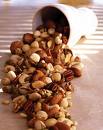
imagesertyuyui.jpgIf you think of peanuts… you dont associate them with health food but rather… a kind of junk food? or an unhealthy snack alternative? and pretty salty!!!!

But the FDA has considered nuts as a healthy snack alternative based on the data that nuts have lots of protein and fiber and contain a lot of the good fat called monounsaturated fats as well as certain  antioxidants. 

BUT not all nuts are created equal:  the health claim recognized by the FDA only includes peanuts and certain tree nuts like:

  • walnuts because of its omega 3 fatty acids
  • almonds,
  • hazelnuts,
  • pecans,
  • some pine nuts,
  • pistachios, and
  • walnuts.  

These nuts carry with them several studies lowering LDL or bad cholesterol while improving HDL or good cholesterol and as aresult may actually have beneficial effects in protecting heart ailments.

Other nuts that did not get the qualty health claim from the FDA because they contain high saturated fat include: Brazil nuts, macadamia nuts, cashew nuts, and some varieties of pine nuts.

So for your next meal or snacks…dont feel guilty grabbing some nuts from the can and enjoy them.  Nuts are rich in protein and fiber and therefore can be very filling.  But again in moderation because even if they have health claim…they still contain calories and too much of which can also be harmful!

Let’s Go NUTS!