Archive for the 'Medical News Bits' Category

The Danger of Sleepless Nights!!!!

October 29, 2007

Go to fullsize imageFeeling Grumpy after waking up? Maybe lack of sound sleep? Or deprived of sleep? Or sleep debt?

No matter what you do, this lack of sleep has been shown to increase one’s emotional outburst.  Needless to say, one is not too keen in listening to problems in office or even offering solutions without having to raise ones voice.  It is therefore difficult or problematic to handle delicate situations in times of sleep debt.  The day to day interaction with friends or co workers and employees can result in negative outcome and productivity.

In the October 23 issue of Cell Biology comes a new study that looked at the reason why this happens as the lead author has said: “Sleep deprivation fractures the brain mechanisms that regulate key aspects of our mental health.”

______________________________________________________________________

Sleep deprivation is known to impair a range of functions, including immune regulation and metabolic control, as well as neurocognitive processes, such as learning and memory. But evidence for the role of sleep in regulating our emotional brain-state is surprisingly scarce, and while the dysregulation of affective stability following sleep loss has received subjective documentation , any neural examination remains absent.

Clinical evidence suggests that sleep and emotion interact; nearly all psychiatric and neurological disorders expressing sleep disruption display corresponding symptoms of affective imbalance. Independent of sleep, knowledge of the basic neural and cognitive mechanisms regulating emotion is remarkably advanced.

The amygdala has a well-documented role in the processing of emotionally salient information, particularly aversive stimuli . The extent of amygdala engagement can also be influenced by a variety of connected systems, particularly the medial-prefrontal cortex (MPFC); the MPFC is proposed to exert an inhibitory, top-down control of amygdala function, resulting in contextually appropriate emotional responses.

We have focused on this network and using functional magnetic resonance image (fMRI) have obtained evidence, reported here, that a lack of sleep inappropriately modulates the human emotional brain response to negative aversive stimuli.

______________________________________________________________________

My practice to to advocate a balance of stress and de-stress! Balance the time of work and play… this may not be easy for some but health dictates us to be vigilant and be more aggressive in finding ways our body can rest!!! The system works best if noxious stimuli can be avoided or be rid off!  Sleep is one way the body regenerates the energy it requires to handle the stresses of the next day!

Sleep Debt as we know of can lead to all the dangers of health stress: it has been shown to be a major risk factor for developing metabolic illnesses like Diabetes and High blood pressure.  With this new study comes data linking neuronal changes to sleep debt that can result in emotional unrest!  Remember…any emotional stress increases the production of stress hormones in the body that can have harmful effects on the heart!

Work is important but so is Sleep and Rest!  Just make sure…a balance is made between what you do and want to accomplish and what your health dictates you to do!

Health is Wealth My Friends!

Read My Other Related Posts:

Too Little Sleep Because Of Work?

Sleep And The Risk of Obesity and Diabetes
__________________________________________________________________________

 adtxtimg2.gif 2/18/08

Notes From Our Marketing Friends: 

There are many sensitive issues that a lactating mother must be keeping in mind. During lactation mother should follow healthy food recipes to avoid any kind of deficiency in her. As a lactating mother feeds her baby on her milk, so she should take complete care her breasts. There are many lactation equipments now available in the market that helps a mother to nourish her baby with her milk. These include medela breast pump, maternity bras and large cup nursing bras etc.
_________________________________________________________________________

Avandia and Heart Disease: Anything New?

October 27, 2007

Go to fullsize imageAvandia continues to be in the limelight.  As more physicians are aware of its benefits, controversy surrounding its use and possible side effects continue to be the main issue among patients.  Further analysis have been done by the European Medicine Agency, the counterpart of the US FDA, on whether the benefits outweigh the risk in the use of Avandia among our diabetic patients:

___________________________________________

Finalising a review of the benefits and risks of the thiazolidinediones rosiglitazone (Avandia) and pioglitazone (Actos), the European Medicines Agency has concluded that the benefits of these antidiabetic medicines continue to outweigh their risks in the approved indications. However, the Agency recommended changing the product information for rosiglitazone and agreed further initiatives to increase scientific knowledge on the safety of both medicines.The Agency’s Committee for Medicinal Products for Human Use (CHMP) carried out this review as part of its continuous monitoring of the safety of medicines, because of new information on these medicines’ side effects. This included information on the risk of bone fractures in women, and, in patients taking rosiglitazone, a possible risk of ischaemic heart disease (reduced blood supply to the heart muscle). This raised concerns over the benefit-risk balance of both rosiglitazone and pioglitazone.

Having assessed all available data, the CHMP concluded that the benefits of both rosiglitazone and pioglitazone in the treatment of type 2 diabetes continue to outweigh their risks.

However, the prescribing information should be updated to include a warning that, in patients with ischaemic heart disease, rosiglitazone should only be used after careful evaluation of each patient’s individual risk. In addition, the combination of rosiglitazone and insulin should only be used in exceptional cases and under close supervision.These changes will be introduced in forthcoming regulatory procedures for rosiglitazone-containing medicines. No changes to the prescribing information for medicines containing pioglitazone were considered necessary.

The Committee will review the results of currently ongoing studies. It also recommended that further studies be performed in order to increase the level of scientific knowledge on the two medicines.

____________________________________________

Whether the US FDA will follow the same guidelines remain to be seen.  What is important to this date is that further studies need to be done.  The risk of heart attack is always inherent in any diabetic…whether the use of Avanida increases the heart attack risk was found to be negative in the interim analysis of a well designed prospective study called RECORD…a study specifically designed to address this issue. 

The controversy on Avandia started after a metaanalysis of the previous small studies on Avandia was done and showed an increase risk in heart attack.. Unfortunately the medical community does not accept studies of this caliber to suggest a relationship because of the many loopholes associated with analyzing data in a Metaanalysis. 

Do check out my blogroll on AVANDIA update for previous posts.

To this date… the agency has said it well:

The Benefits Continue to Outweigh The Risks!

What Happens To The Heart Of An Obese Child?

October 25, 2007

2069806394.jpgChildhood obesity is now becoming a major health problem not only in the US but also in the developing world. We know the consequences of our child becoming obese and how it will impact on out kids future in terms of their chances to become obese FOR LIFE.

What we dont know are the cardiac or heart consequences associated with increasing obesity in childhood.  This recent 2007 study published in the Journal of Cardiometabolic Syndrome looked at changes seen as markers that can lead to early heart problems among our obese children.

___________________________________________ 
Childhood obesity is a major health care issue in the United States. This epidemic has important cardiovascular implications. Newer imaging modalities in obese adults have demonstrated abnormal systolic and diastolic cardiac function. The authors proposed to determine whether these abnormalities are present in obese children.

A total of 168 children were identified from our echocardiographic database. Body mass index for age was calculated.

Echocardiographic clips were analyzed using imaging technology to determine myocardial motion, strain, and strain rate. Patients at risk for obesity and those meeting criteria for obesity had increased late diastolic myocardial motion compared with normal-weight children. Obese patients had decreased systolic strain compared with normal-weight children.

As with adults, obese children have significant differences in diastolic function and strain. These abnormalities may be subtle markers for the emergence of future cardiac disease. (JCMS. 2007;2:30–34)

___________________________________________

Children therefore are not immune to the structural and heart abnormalities associated with excess adipose tissue.  It is therefore not acceptable for parents to accept the old concept that since they are kids…lets allow them to gain weight because they are still in their growing years.  Now we know better…we are doing MORE harm than good to these children. 

It is likewise very important to educate our grandparents who tend to spoil our kids with the ancient concept of overfeeding and that overweight kids are healthier babies!

Times Have Changed..Begin the Year with Healthier kids!

Cough Medicines and Stroke…. How To Avoid A Stroke!!!

October 23, 2007

1619007209.jpgThe risk of stroke with OTC cough medicines had been with us since 2003 after the publication of the study in STROKE  linking OTC cough and colds meds to stroke.  Apparently these decongestants contribute to around 200 to 400 cases of stroke annually. The study eventually led to FDA giving advisory against the use of Phenylpropanolamine ( PPA ) in any medications for sale as cold remedies. 

Now comes a new FDA advisory targetting the cold remedies we use for children.  Apparently the cold remedies have not been proven to be safe but instead cause harm including death.  This really comes timely considering the increase numbers of upper respiratory tract infections in this rainy season. 

But what is really important is for us to understand that there are reasons why one gets a Stroke. Here’s a list of risk factors compiled by WebMD which I want to share:

___________________________________________

Certain diseases or conditions increase your risk of stroke. These include:

Certain behaviors can increase your risk of stroke. These include:

  • Smoking, including secondhand smoke.
  • Physical inactivity.
  • Being overweight.
  • Diet with few fruits and vegetables. Research suggests that people who eat more fruits, vegetables, fish, and whole grains (for example, brown rice) may have a lower risk of stroke than people who eat lots of red meat, processed foods such as lunch meat, and refined grains (for example, white flour).
  • Diet with too much salt. A healthy diet includes less than 2,300 mg of sodium a day (about one teaspoon).
  • Use of some medicines, such as birth control pills-especially by women who smoke or have a history of blood-clotting problems-and anticoagulants or steroids. In postmenopausal women, hormone replacement therapy has been shown to slightly increase the risk of stroke.
  • Heavy use of alcohol. People who drink alcohol excessively, especially people who binge drink, are more likely to have a stroke. Binge drinking is defined as drinking more than 5 drinks in a short period of time.

___________________________________________

So if you have any of those risk factors…the more one should avoid decongestants based on what we now know in terms of the potential for PPA to cause a stroke.

Storke can be avoided and should be avoided because it is  disabling disease.  I always counsel my diabetic hypertensives that the main reason why I try to make sure they get an excellent control in terms of their sugar and blood pressure including cholesterol is mainly: TO REDUCE THEIR RISK in getting a Stroke and Heart disease.

Genes and Lifestyle Complement Each Other….

Byetta and Pancreatitis…

October 20, 2007

2520983995.jpgThis is just an information sheet to those who are on Byetta as part of the treatment regimen for Diabetes.  Any new drug in the market has post marketing survey done to determine any untoward events once a drug is marketed and used worldwide.  After its approval in 2005, it has just been available in the Philippines this year.

Byetta is known to cause nausea due to its effect in delaying gastric emptying.  This symptom usually goes away after weeks to months of use.  However if abdominal pain occurs and becomes persitsent… it is now advised to discontinue the drug and seek medical advise to rule out pancreatitis.

Acute Pancreatitis is inflammation of the pancreas and ussually is due to either alcohol intake or gallstone.  Once diagnosed and treated it is not life threatening.  Majority of the cases in the survey did well after trteatment of the disease.

The FDA has issued an alert to physicains to be aware of this effect:

___________________________________________

Posted 10/16/2007] FDA has reviewed 30 postmarketing reports of acute pancreatitis in patients taking Byetta (exenatide), a drug used to treat adults with type 2 diabetes.

An association between Byetta and acute pancreatitis is suspected in some of these cases. Amylin Pharmaceuticals, Inc. has agreed to include information about acute pancreatitis in the PRECAUTIONS section of the product label.

Healthcare professionals should be alert to the signs and symptoms of acute pancreatitis and instruct patients taking Byetta to seek prompt medical care if they experience unexplained, persistent, severe abdominal pain which may or may not be accompanied by vomiting. If pancreatitis is suspected, Byetta should be discontinued. If pancreatitis is confirmed, Byetta should not be restarted unless an alternative etiology is identified.
____________________________________________

Byetta is one new drug that will be very beneficial to our newly diagnosed diabetes especially those who are obese because of its capacity ot improve insulin sensitivty and increase beta cell mass.  Preventing the rapid decline of beta cell mass and function therefore theoritically should prevent progression of this disease and in turn prevent the onset of complications. 

The PLUS factor of thes agent: It can lead to significant weight loss and is the only agent so far that can really make a diabetic well controlled without necesarily increasing weight but rather lose weight!

For now with this new alert, I would have to make sure patients with history of pancreatitis, alcohol abuse or gallstone to refrain from using Byetta.   The data showed that those who developed Pancreatitis had at least 1 of the above risk factors.  Vigilance of these factors should lessen one’s risk to develop pancreatitis.

Just Like Any Drug… If It Has An Effect… It Should Have A Side Effect..Precaution Is The KEY!

Going NUTS on NUTS….

October 18, 2007

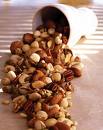
imagesertyuyui.jpgIf you think of peanuts… you dont associate them with health food but rather… a kind of junk food? or an unhealthy snack alternative? and pretty salty!!!!

But the FDA has considered nuts as a healthy snack alternative based on the data that nuts have lots of protein and fiber and contain a lot of the good fat called monounsaturated fats as well as certain  antioxidants. 

BUT not all nuts are created equal:  the health claim recognized by the FDA only includes peanuts and certain tree nuts like:

  • walnuts because of its omega 3 fatty acids
  • almonds,
  • hazelnuts,
  • pecans,
  • some pine nuts,
  • pistachios, and
  • walnuts.  

These nuts carry with them several studies lowering LDL or bad cholesterol while improving HDL or good cholesterol and as aresult may actually have beneficial effects in protecting heart ailments.

Other nuts that did not get the qualty health claim from the FDA because they contain high saturated fat include: Brazil nuts, macadamia nuts, cashew nuts, and some varieties of pine nuts.

So for your next meal or snacks…dont feel guilty grabbing some nuts from the can and enjoy them.  Nuts are rich in protein and fiber and therefore can be very filling.  But again in moderation because even if they have health claim…they still contain calories and too much of which can also be harmful!

Let’s Go NUTS!

Can I Eat Eggs Everyday? … Part 2

October 15, 2007

3557864019.jpgOne of the top posts of this website is about eggs.  It has really been a puzzle to the medical community as to how this seemingly affordable and easy available food can be so intriguing in terms of its good and bad effect on health.  Its really an option for anyone to take which sides you are depending on what study you read.

A recent publication from the Harvard Health Publications regarding the myths and facts on eggs is worth mentioning here for my readers to know my answer when they ask…Can I eat eggs everyday doc?

___________________________________________

BOSTON, MA – Common misconceptions keep many people, especially those worried about heart disease, from eating eggs. The July issue of the Harvard Heart Letter unscrambles the dietary facts and myths about the egg.

Fact: Eggs are a good source of nutrients. One egg contains 6 grams of protein and some healthful unsaturated fats. Eggs are also a good source of choline, which has been linked with preserving memory, and lutein and zeaxanthin, which may protect against vision loss.

Fact: Eggs have a lot of cholesterol. The average large egg contains 212 milligrams of cholesterol. As foods go, that’s quite a bit, rivaled only by single servings of liver, shrimp, and duck meat.

Myth: All that cholesterol goes straight to your bloodstream and then into your arteries. Not so. For most people, only a small amount of the cholesterol in food passes into the blood. Saturated and trans fats have much bigger effects on blood cholesterol levels.

Myth: Eating eggs is bad for your heart. The only large study to look at the impact of egg consumption on heart disease—not on cholesterol levels or other intermediaries—found no connection between the two. In people with diabetes, though, egg-a-day eaters were a bit more likely to have developed heart disease than those who rarely ate eggs.

  • If you like eggs, eating one a day should be okay, especially if you cut back on saturated and trans fats.
  • Other ways to enjoy eggs without worrying about cholesterol include not eating the yolk, which contains all the cholesterol, or using pourable egg whites or yolk-free egg substitutes.

____________________________________________

One major reason why we advocate a low cholesterol diet is that any diet that is high in cholesterol may downregulate LDL-receptor (Bad cholesterol) synthesis which are the receptors that degrade or breakdown the bad cholesterol in our body. This bad effect apparently becomes more pronounced if the diet is also high in saturated fat because it can interfere with receptor binding and removal of the bad cholesterol and therefore accumulates in our system!

Likewise… if you eat a high cholesterol food…it is almost always associated with a high saturated fat meal! If you love egg yolk then it means the meal may also have steak or fried pork and other oily foods in it! This spells DISASTER!

Almost always… it’s already a cliche: eat everything in moderation.  I will continue to advocate 2 x or less eggs per week for my patients until more solid evidence tells me otherwise. 

It’s a matter of choosing the right food for a healthy body.

Tips To Improve Your Memory!!!!

October 12, 2007

438348334.jpgForgot about something? Missed an appointment? Where are my KEYS????

Persistence to take something to boost ones memory has always been in  the back of the minds of patients hoping to improve their memory.  They be 40 or 80 years old … does not make a difference.  Blame it on anesthesia or old age…memory enhancers as supplements are a big hit because people are so afraid to lose their memory!!!

Instead of trying your luck on these supplements which…forget it…DONT Work ( dont be fooled by their marketing strategies)… I have come accross a wonderfully written article giving us helpful tips to improve our memory : The Harvard Medical School Healthbeat issue:

____________________________________________
 Normal age-related changes in the brain can slow some cognitive processes, making it a bit harder to learn new things quickly or to ward off distractions. The good news is that, thanks to decades of research, most of us can sharpen our minds with proven, do-it-yourself strategies. Here are some ways to boost your ability to remember as you age.

1. Believe in yourself.
Myths about aging can contribute to a failing memory. Middle-aged and older learners do worse on memory tasks when exposed to negative stereotypes about aging and memory, and better if exposed to messages about memory preservation into old age.

2. Economize your brain use.
Take advantage of calendars and planners, maps, shopping lists, file folders, and address books to keep routine information accessible. Designate a place at home for your glasses, keys, and other items you use frequently.

3. Organize your thoughts.
New information that’s broken into smaller chunks, such as the hyphenated sections of a phone number or social security number, is easier to remember than a single long list, such as financial account numbers or the name of everyone in a classroom.

4. Use all your senses.
The more senses you use when you learn something, the more of your brain will be involved in retaining the memory. For example, odors are famous for conjuring memories from the distant past, especially those with strong emotional content, such as the scent of your grandmother’s freshly baked cookies.

5. Expand your brain.
Widen the brain regions involved in learning by reading aloud, drawing a picture, or writing down the information you want to learn (even if you never look back at your notes). Just forming a visual image of something makes it easier to remember and understand; it forces you to make the information more precise.

6. Repeat after me.
When you want to remember something you have just heard or thought about, repeat it out loud. For example, if you’ve just been told someone’s name, use it when you speak with him or her: “So, John, where did you meet Camille?”

7. Space it out.
Instead of repeating something many times in a short period, as if you were cramming for an exam, re-study the essentials after increasingly longer periods of time — once an hour, then every few hours, then every day. Spacing out periods of study is particularly valuable when you are trying to master complicated information.

8. Make a mnemonic.
Mnemonic devices are creative ways to remember lists. They can take the form of acronyms — such as the classic “Every good boy does fine,” to remember the musical notes E, G, B, D, and F on the lines of the treble clef. For older learners, a particularly helpful system is a story mnemonic — that is, a brief narrative in which each item cues you to remember the next one.

9. Challenge yourself.
Engaging in activities that require you to concentrate and tax your memory will help you maintain skills as you age. Discuss books, do crossword puzzles, try new recipes, travel, and undertake projects or hobbies that require skills you aren’t familiar or comfortable with. 10. Take a course. Memory-improvement courses are becoming more popular. If you decide to try one, choose a program run by health professionals or experts in psychology or cognitive rehabilitation. Stay away from courses that center on computer or concentration games, which generally won’t help you with real-life memory problems. Select a course that focuses on practical ways to manage everyday challenges
.

_______________________________________________________

I do recommend that we all try these exercises: they’re free, safe and effective!

Lets Keep Our Brains Healthy!

Why People Dont Exercise….

October 10, 2007

2533140067.jpgAs physicians, we always encourage people to be active. Patients know they need to exercise to feel better, to reduce their chances of developing diseases and of course to help “cure” and treat their ailments like arthritis or obesity.

It is therefore not surprising that in one survey done in UK that even the threat of premature death to NON exercising adults did not bother them to change their lifestyle.  In short… health may not be a primary reason for people to exercise! 

In that new survey by The British Heart Foundation,

  •  When the participants were asked if they would do more exercise if their lives depended on it… only 38% of the subject said YES!
  •  TAKE NOTE: Less than one-twentieth of UK adults say they find exercise enjoyable.

One important information we gathered from that survey is this alarming notion that HEALTH is not the Main reason for them to exercise:

  • The greatest motivation to exercise seems to be the desire to change one’s body shape especially among younger adults and women.  And this maybe true worldwide!
  • About one-in-three young adults said that if they saw an unflattering photo of themselves they would do more exercise. And again this is common sense reason but not sufficient enough to be the prime motivator!
  • Only 7% of women and 13% of men has their main motivation for doing exercise is to maintain a healthy heart.  Whew… just SAD!!!!!

According to the British Heart Foundation, the rate of death in UK is one every fifteen minutes because people did not do enough exercise.  But in spite of all these information, doing exercise is not a priority!

This survey is so important to all of us because indeed THIS IS REALITY!  Look around you or even ask yourself…what are you doing NOW to help keep yourself healthy?  Are you exercising enough or following your doctor’s recommendation to exercise?  OR still the same…reasons after reasons for NOT exercising!

Please do visit my other posts on exercise and physical activity tips because doing the right exercise does not mean going to a gym but just staying home!

Do Your Body Some Help…Exercise For Health!

The Good and The Bad Cholesterol…

October 9, 2007

2840505959.jpgWe know the bad effects of cholesterol in our body.  Marketing strategies have incorporated cholesterol as part of the game plan: low fat,  low cholesterol, no cholestrol in their products.  As physicians, we also take note of patients lipid profile which gives us the whole picture on patients cholesterol profile.  It is therefore not sufficient to jut check a total cholesterol because ones total cholesterol may be high because of a high Good cholesterol or HDL.  Targeting the BAD cholesterol or LDL has been the mainstay in our practice especially among our patients with high blood pressure and diabetes.  Our goal is to reduce a patient’s risk to suffer from a stroke or heart attack! 

But is lowering LDL or the bad cholesterol enough to decrease a patients risk?  And how important is the Good cholesterol in the equation?

Recently a study published in the NEJM September issue  looked at this specific question and showed that Both should be addressed.  

_____________________________________________
Background High-density lipoprotein (HDL) cholesterol levels are a strong inverse predictor of cardiovascular events. However, it is not clear whether this association is maintained at very low levels of low-density lipoprotein (LDL) cholesterol.

Methods : A post hoc analysis of the recently completed Treating to New Targets (TNT) study assessed the predictive value of HDL cholesterol levels in 9770 patients.

Results : The HDL cholesterol level in patients receiving statins was predictive of major cardiovascular events across the TNT study cohort, both when HDL cholesterol was considered as a continuous variable and when subjects were stratified according to quintiles of HDL cholesterol level.

Even among study subjects with LDL cholesterol levels below 70 mg per deciliter, those in the highest quintile of HDL cholesterol level were at less risk for major cardiovascular events than those in the lowest quintile (P=0.03).

Conclusions: 

  •  In this post hoc analysis, HDL cholesterol levels were predictive of major cardiovascular events in patients treated with statins.
  • This relationship was also observed among patients with LDL cholesterol levels below 70 mg per deciliter.

________________________________________________

Lowering the LDL or bad cholesterol will remain the primary goal of therapy while not neglecting to make sure that the HDL should be made higher than 45 mg/dl.  Dietery intervention can only do so much in lowering LDL but we have ways to increase the HDL by dietary and behavioral means including exercise.Do check my post on How to Increase Your HDL for further tips in what to eat and do to improve your HDL!

In Health: Its The Balance Between the Good and The Bad!

Eating Together As A Family… Is Healthy!

October 5, 2007

2746116766.jpgSpending quality time with your kids have a lasting impact not only in the way children will remember us as caring parents but have been shown to have lasting impact in the way these kids eat as adults.  The way kids eat help the way they shape their health because lifestyle habits have been shown to have the most impact if started early in life!

A new study that looked at the impact of eating together as a family involved more than 1,500 students surveyed once during high school and again when they were 20 years old specifically ” to determine the long-term effects of family meals on diet quality, social eating, meal structure and meal frequency.” This study published in  September Journal of the American Dietetic Association gives us a glimpse that the truth of all the problems we have now in terms of poor eating habits among our children may stem from the fact that we may not be spending enough time with our kids….

____________________________________________

The Objective: To describe meal patterns of young adults and determine if family meal frequency during adolescence is associated with diet quality, meal frequency, social eating, and meal structure during young adulthood.

Surveys and food frequency questionnaires were completed by 946 female students and 764 male students in high school classrooms at Time 1 (1998-1999; mean age 15.9 years) and by mail at Time 2 (2003-2004; mean age 20.4 years).

Results:

  • Family meal frequency during adolescence predicted higher intakes of fruit, vegetables , dark-green and orange vegetables, and key nutrients and

  • Family meal frequency was associated with lower intakes of soft drinks during young adulthood.

  • Frequency of family meals also predicted more breakfast meals in females and for both sexes predicted more frequent dinner meals.

  • Family Frequency also was associated with higher priority for meal structure , and higher priority for social eating.

Conclusions : Family meals during adolescence may have a lasting positive influence on dietary quality and meal patterns in young adulthood.

____________________________________________

There you go my friends.  Children need our help, our support and our guidance.  They should be taught well the younger they are the better! They need our company not only for fun but to know whats right and proper…including choices of the right healthy food!  Meaning as parents we should also set the right example of what to eat and what NOT to eat!

Make sure we take time to earn a living but not to forget that we have other obligations to our children and family!  Its should be a good balance in life that one should aim for… that can make one a better person both as a family man and as a good individual in the society.

Ensure the health of our children… one way is to….

Spend More Time With Your KIDS!

Some News About The Website

September 25, 2007

A rewarding experience to anyone writing about something… is if that something turns into an important thing that caught the media attention!  As my advocacy to educate through this medium has benefitted a lot of my patients who get to me through this website and learning from what I believe is right… not because I say so but based on studies published in reputable journals by reputable institutions.

It is just a rewarding experince also if your work has caught the attention of respectable online media.  My article on          ” Can Coffee Prevent Diabetes?” was published just today in Philippine Star and my article on The role of Vitamins and Antioxidants In Preventing Heart Disease” was cited by CNN Health Online! As a result my website got plenty of hits accessed from these sites online!

So now were reaching more people…not only my patients but readers that linked to our site as well. 

Welcome and Thanks for Visiting My Health Website!

The Latest on The Safety Of Aspartame….

September 24, 2007

Aspartame has been at the forefront in terms if its use among diabetic patients as a low calorie sugar substitute.  It is the primary component of the low calorie sodas that allow us to enjoy these drinks once in a while without feeling too much guilt of the calories they have.  But controversies surround the popularity of this sweetener due to reports of associated illnesses related to its intake. 

Just recently an international expert panel from 10 universities and medical schools gathered together and evaluated the safety of aspartame for people of all ages and with a variety of health conditions.  The results of the study was recently published in the September issue of Critical Reviews in Toxicology.

____________________________________________

The Expert Panel’s evaluation concluded the following:

Aspartame is safe at current levels of consumption, which remain well below established ADI levels, even among high user sub-populations. No credible evidence was found that aspartame is carcinogenic, neurotoxic or has or any other adverse effects when consumed even at levels many times the established ADI levels.

Specifically:

* Based on results of several long term studies, aspartame does not have carcinogenic or cancer-promoting activity.

* Results of extensive investigation in studies that mimic human exposure do not show any evidence of neurological effects, such as memory and learning problems, of aspartame consumption.

* Overall the weight of the evidence indicates that aspartame has no effect on behavior, cognitive function, neural function or seizures in any of the groups studied.

* Aspartame has not been shown to have adverse effects on reproductive activity or lactation.

* Studies conclude that aspartame is safe for use by diabetics and may aid diabetics in adhering to a sugar-free diet.

* There is no evidence to support an association between aspartame consumption and obesity. On the contrary, when used in multidisciplinary weight control programs, aspartame may actually aid in long-term weight control.

* The studies provide no evidence to support an association between aspartame and brain or hematopoietic tumor development.

___________________________________________

In the past several insitutions have already provided proofs and guidelines regarding the safety of aspartame… which up to this point in 2007 remains a safe alternative to all of us who wants a good tasting beverage but low in calorie and no fear of raising our blood sugar!  Reports of this compund to cause complications ranging from cancer to neurological deficits continue to be written in the internet causing a lot of our patients concerns but these claims remian unfounded.

The expert panel reports, I would say,  should close this issue on aspartame.  The panel clearly summarized their findings with one simple conclusion:

 The weight of existing evidence is that aspartame is safe at current levels of consumption as a nonnutritive sweetener.

The Best Way To Exercise….

September 21, 2007

imagese.jpgExercise as we all know has all the benefits to promote and maintain health.  Several guidelines have come up based solely on experience rather than observed studies.  Recently, a new study looked at and concluded thast there indeed is  a significant impact and benefit of both aerobics and resistance training among diabetic subjects as published in the Annals of Internal Mediicne , Sept issue.

However, when the general issue of exercise is discussed… the main question has been… what’s the best way to exercise? How long and how much activites are needed to protect oneself from illness.

Recently the American Heart Association published their guidleines  in association with the American Society of Sports Medicine. Through these guidelines, we can have a better understanding with regard to the question of how to exercise and how to do it best.

___________________________________________

  • all healthy adults aged 18 to 65 years need moderate-intensity aerobic physical activity for a minimum of 30 minutes on five days each week or
  • vigorous-intensity aerobic activity for a minimum of 20 minutes on three days each week.
  • Combining these exercises is also acceptable

What To Exercise:

  • walking briskly or
  • performing an activity that noticeably accelerates the heart rate for 30 minutes twice during the week
  • jogging for 20 minutes, or
  • performing any activity that causes rapid breathing and a substantial increase in heart rate on two other days.
  • moderate- and vigorous-intensity exercises are complementary to daily living
  • Muscle-strengthening activities are advised 
  • Shorts bouts of activity — 10 minutes or more — can be combined to meet the 30-minute daily goal. 

____________________________________________

We know exercise works.  We know its almost always a doctor’s advise with regard to controlling weight, blood pressure, or cholesterol and blood sugar.  It is an important lifestyle change that each individual should pursue.  It is really easier said than done BUT the new guidelines have set up a compormise.  Short bouts of exercise is better than none and combining the total bouts of exercise as long as they accumulate to 30 minutes should do the trick in helping us build a healthy lifestyle.

There you go….  New Rules on an Old Issue.

Exericise Is Still The Best Prevention….

The Risk of Autism and Advancing Age

September 18, 2007

imagesjkl.jpgWhy am I talking about a Pediatric disease here?  Well… forgive me but Autism is one condition that I see more frequently than before and I consider pretty common among the kids of my friends.  So am wondering what could trigger such a behavioral abnormality. Are there reasons for it?

One study that I read looked at one possible scenario i.e., to look at  the risk of autism with advancing age of parents.  Sounds interesting and intriguing! I find it interesting because remember, as our goals in life get bigger, we tend to postpone our dreams of having a family.  And by the time, we decide to have a family of our own, we have reach an age that may in itself be a risk factor to develop some problems with regard to the baby.

Let me share with you the results of the study published in Archives of Pediatric and Adolescent Medicine in 2007: 

___________________________________________

Design:  Historical birth cohort study.

Setting:  Kaiser Permanente (KP) in Northern California.

Participants:  All singleton children born at KP from January 1, 1995, to December 31, 1999, were included in the study. We identified 593 children who had Autism Spectrum Disorder diagnoses (International Classification of Diseases, Ninth Revision, Clinical Modification, code 299.0 or 299.8) recorded 2 or more times in KP outpatient databases before May 2005. These children were compared with all 132 251 remaining singleton KP births.

Main Exposures:  Maternal and paternal age at birth of offspring.

Results: 

  • Risk of ASDs increased significantly with each 10-year increase in maternal age (adjusted RR, 1.31; 95% confidence interval [CI], 1.07-1.62) and paternal age (RR, 1.28; 95% CI, 1.09-1.51).
  • Adjusted RRs for both maternal and paternal age were elevated for children with autistic disorder (maternal age: RR, 1.18; 95% CI, 0.87-1.60; paternal age: RR, 1.34; 95% CI, 1.06-1.69)
  • Associations with parental age were somewhat stronger for girls than for boys, although sex differences were not statistically significant.

Conclusion  Advanced maternal and paternal ages are independently associated with ASD risk.

______________________________________________________

Lucky for me…all my babies are healthy.  But this study is just a reminder to all… that we cant have it all! 

If it’s your desire to succeed is in your business or in your work or in your family … and if that desire drives you to be better then there are always compromises.  And as long as you are willing to accept these compormises in life, then you are on to a fruitful and happy ending!

It is you who will decide what you desire to have that will make you what you will be… in life! And accept it! So guys… if you have the chance… dont postpone having  a family! It’s all worth it! and worth taking the risk!

In Life..There Are Always Risks!

A Simple Blood Test To Determine Your Risk for Diabetes…

September 17, 2007

imagesx.jpgIf you think you are at risk of developing diabetes, our recommendation for now is to check your fasting blood sugar.  This is a test always included in executive panels.  However a more important measure of diabetes control is called A1c.  It is being done every three months among our diabetic patients to check their control or compliance to their medications.  Now a new study has supported the possible role of this blood test in predicting a patient’s risk of developing diabetes.

This study published in the American Journal of Medicine looked at a cohort of subjects in the Nurses Health Study and established the possible linked of A1c and the future risk of developing diabetes:

 ___________________________________________

(HbA1c) is a marker of cumulative glycemic exposure over the preceding 2- to 3-month period.   The authors examined baseline HbA1c levels as a predictor of incident clinical diabetes in a prospective cohort study beginning in 1992 of 26,563 US female health professionals aged 45 years or more without diagnosed diabetes or vascular disease (median follow-up 10.1 years).

Results: During follow-up, 1238 cases of diabetes events occurred.  After multivariable adjustment, HbA1c remained a strong predictor of diabetes.

 In analyses of threshold effects, adjusted relative risks for incident diabetes in HbA1c categories of less than 5.0%, 5.0% to 5.4%, 5.5% to 5.9%, 6.0% to 6.4%, 6.5% to 6.9%, and 7.0% or more were 1.0, 2.9, 12.1, 29.3, 28.2, and 81.2, respectively.

Conclusions:  HbA1c levels are elevated well in advance of the clinical development of type 2 diabetes, supporting recent recommendations for lowering of diagnostic thresholds for glucose metabolic disorders.

___________________________________________

It has been a continuing debate whether to use A1c as a diagnostic tool for diabetes.  We are using it to assess control rather than diagnosis.  We know that the higher the A1c… the higher the risk of complications of diabetes espcially death and heart attacks.  Therefore, we should impart the information to our diabetics that lowering A1c is lowering your risk to suffer from disability!

Now, our focus is for those at risks and those with apparently no risks to embark on a healthy lifestyle to avoid getting this chronic disease strongly associated with obesity and poor lifestyle!  If in doubt, we may be able to use this simple blood test to determine our risk… and if indeed that risk is high… it can be a better motivational tool to change lifestyle and be better in terms of choices of food and more physical activity!

The study has shown that in those with no risk… checking A1c can predict the outcome. That if ones A1c is >5% ; the risk to develop diabetes in the future starts to double!

Be Proactive… Better to Check Early Than Have The Disease!

The Danger of Eating French Fries…or Why Trans Fat Is Bad!

September 15, 2007

I have been an advocate of avoiding fried foods.  However firm we are in avoiding frying foods, you sometimes cant help and avoid enjoying eating foods that are fried…not only are they crunchy but they also taste so good.  So resisting the temptation to enjoy great food is difficult. But at the expense of health and heart attacks!

I came across a recent article in the Harvard Medical School Health Publication: HealthBeat which I want to share especially to parents who allow their kids to enjoy french fries almost at every meal.

________________________________________

 If you needed another reason to avoid trans fats, here it is. Researchers with the ongoing Nurses’ Health Study measured the amount of trans fat stored in red blood cells. Among the 32,000 middle-aged women participating in the study, 166 had heart attacks or died of heart disease during a six-year period. Their red blood cells had slightly higher loads of trans fat than did red blood cells of 327 women of the same ages and characteristics who remained free of heart disease.

Artificial trans fats are found in hard margarines, many commercially baked goods, and the fried foods in many restaurants, and research has consistently shown they aren’t good for the heart and blood vessels. Across the board, the more trans fat in red blood cells, the greater the chances of having a heart attack. Women with the highest trans fat load had triple the risk of women with the lowest. This study, published in the April 10, 2007, Circulation, strongly supports recommendations by the Institute of Medicine and the USDA’s Dietary Guidelines for Americans to cut back — or better yet, cut out — trans fats in the diet. Eliminating them from the food supply could avert as many as 264,000 heart attacks and heart-related deaths each year in the United States alone.

Trans Fats at Home and Abroad

A prime source of trans fat is partially hydrogenated oil, which many fast-food restaurants continue to use for deep frying. To see if this differed by country, three Danish doctors determined the trans fat content of French fries and chicken nuggets bought in 24 McDonald’s and KFC restaurants on four continents. As shown above, a large fries-and-nuggets combination delivered 10 grams of trans fat in New York City but less than a gram in Denmark, which limits the use of trans fats. A similar serving of fries and chicken nuggets in a KFC in Hungary delivered a whopping 25 grams of trans fat.

_________________________________________

Anothr reason to be alarmed over what we preceived a s a way of showing affection and reward to our kids… Crunchy fried chicken and french fries.  If we indulge in these kinds of foods once in a while or only during children’s parties .. its acceptable BUT if our kids eat only fried foods because that’s the only food they will eat then it will do no good to their future!

Start training them young.  My friend Maxim is one nice guy to dine with because he’s health conscious and therefore you tend to follow what he eats or be conscious of what you order.  And I guess there is so much truth to the study that showed…if your friends are obese, the more likely you will too….

A Feast with French Fries is A Feast with Trans Fat!

Jogging and The Risk of Heart Disease…

September 14, 2007

imagesqwa.jpgPrevious studies have linked city pollution to ishcemic heart disease.  The mechanism of which was not really studied well until recently.  It has been shown that ambient air pollution is associated with increased cardiovascular morbidity and mortality.

Jogging as an exercise is perfect.  It promotes well being and health.  But the place where one jogs should be considered especially with the findings below published in New England Journal of Medicine in 2007, regarding the risk of cardiovascular disease and air pollution:

________________________________________

Brief exposure to dilute diesel exhaust promotes myocardial ischemia and inhibits endogenous fibrinolytic capacity in men with stable coronary heart disease. Our findings point to ischemic and thrombotic mechanisms that may explain in part the observation that exposure to combustion-derived air pollution is associated with adverse cardiovascular events.”  

____________________________________

The most likely mechanism of the above maybe genetics as explained in one study published also almost at the same time in Genome Biology, 2007.

________________________________________ 

Diesel exhaust particles and oxidized phospholipids synergistically affect the expression profile of several gene modules that correspond to pathways relevant to vascular inflammatory processes such as atherosclerosis.

________________________________________

I promote wellness through proper choices of food and physical activity.  These studies point out that patients with pre existing risk factors for heart disease should avoid being in areas where exposure to air pollution is present.  Exercising therefore in an area within the city where combustion particles are part of what you’ll inhale should be avoided.

I guess running a marathon in Boston area or any city for that matter can therefore have an impact on one’s risk and therefore should be reconsidered.

So running is good for the heart but for now avoid the city!


Smoking and The Heart…

September 13, 2007

2752053521.jpgWe know that smoking is bad.  But we still see lots of people in the streets enjoying their time smoking as if they’re oblivious to the ongoing damage that smoking has on their bodies.  It is said that the acute effects of smoking can occur within 30 seconds of inhaling that smoke… THAT FAST!  The part of the blood that is responsible for clotting… the platelets will then get stickier, and the lining of the blood vessels will no longer function well.

 One study that was presented during the European Society of Cardiology Scientific Sessions in Austria, was looking at the impact of banning smoking in workplaces in Ireland.  You see in Europe, you can still see places where smokers mingle with non smokers.  And Ireland was the first to do this in 2004.  At one time in Vienna, we have to move places or even change to another venue because my brother and I just can tolerate the smell of smoke.  It is just unfair that we be exposed to the danger of smoking when we dont smoke… the same is true to wives of husbands who smoke.. more so the children!

In the study, the investigators noted that since the introduction of a smoking ban in Ireland in 2004 , they were able to note a decline in the rate of admission of heart disease by 11% within 1 year of implementing the ban… a reduction that occurred mainly in males.

This observational study is significant because it impacts on reducing a patients risk to suffer from heart disease by avoiding the risk of second hand smoke.  Likewise, it is expected that with the smoking ban, individuals in the restaurant or public places who want to enjoy a cup of coffee who are non smokers are removed from that threat and the impact of this should be noticed right away.

The impact howevre will be higher on the smokers who will give up smoking because they are at the highest risk of developing heart disease and by giving up smoking, that risk declines very rapidly, as early as within a year!

Avoid The Smoke- It Can KILL!

Is There A Link Between Junk Food and A Hyperactive Child?

September 11, 2007

imagesaqw.jpgHave you noticed your child to be hyperactive after eating chocolates? or candies or after drinking artificially colored drinks?  I see them often when parents bring their kids to my office while having their regular check ups.  These kids almost always are munching on junk foods!  And I guess we may be right that certain foods can indeed trigger the hyperactivity of a child which in itself maybe linked to Attention Deficit Hyperactivity Disorder or ADHD as a disease.

A new study published in Lancet has provided us a new proof regarding this link between food additives like food coloring and hyperactive state. 

________________________________________________________

The study involved 300 children between 3-year-olds and 8- and 9-year-olds. Over three one-week periods, the children were then assigned to consume fruit drinks daily:

  • one contained additivies typically found in childrens diet
  • a second drink had a lower concentration of the additives
  • a third was additive-free.
  • All the drinks looked and tasted alike.
  • Qualities such as restlessness, lack of concentration, fidgeting, and talking or interrupting too much were then evaluated on each child.

________________________________________________________

The study showed that kids were more hyperactive in the first group with the highest additives in the drinks that usually occur within 1 hour after consumption.  These are additives we usually get from eating candies and other junk foods.

The above findings have the clinical implications to those whose children get the most attention from teachers in school because of restlessness and hyperactivity.  This study is also the first to note a link between food additives typically seen in drinks,  candies or chocolates and junk foods that our children love to eat!

What more with the yummy candy and junk food ads our children see on TV? No wonder we are diagnosing more and more children with hyperactive behavioral problems.  Just look around any pediatrician specializing in hyperactive child, and you’ll have problems getting an appointment.

Go For The Healthier Alternative!