Flu Vaccine and Covid 19 Vaccine… a Tandem for the Pandemic

September 10, 2021

Our goal during this COVID pandemic is simply to get as many people healthy or with co-morbidities, young or old to get vaccinated with COVID 19 Vaccine.

However, while we are very busy with Covid 19, data have shown that In any given year, anywhere from 12,000 to 60,000 people will die from another virus causing disease called flu which we know is actually a preventable disease since we have the yearly flu vaccination.

The sad reality is less than 50% of eligible adults for flu vaccine get vaccinated.

So, Do we need to get flu vaccinated this year?

Can the flu vaccine help fight COVID-19 infection? Or can it help reduce severity of illness?

Watch and learn…https://youtu.be/_rU7dU0yPYM


Sinovac Effectiveness Against the Delta Variant of COVID 19

September 8, 2021

The Delta variant of the virus that causes Covid-19 doubles the risk of hospitalization compared to the Alpha variant and has now become the dominant strain worldwide.

BUT always remember, the vaccine is not 100% protective against Covid 19 infection. It is therefore important not to blame a brand of vaccine on cases where you get Covid infection inspite of vaccination. Whether you got mrna like Pfizer or AZ or Sinovac, breakthrough infections can occur.

Sinovac which is the widely used vaccine in the country and other parts of Asia and China has made a lot worried due to lack of real world data on its effectiveness against the delta variant.

What the world knows is that China’s inactivated vaccines continue to be very protective during a recent outbreak of Covid-19 in the southern Chinese province of Guangdong.

The data from their experience has finally been published pending review which now provides us the real world evidence about the ability of Sinovac to stave off the highly infectious variant.


Is Ivermectin effective for Covid 19?

August 27, 2021

Those advocating Ivermectin for prophylaxis and treatment have provided some scientific studies, touting ivermectin as the magic silver bullet against COVID-19.

Recent data regarding Ivermectin will be discussed and assessed whether it can indeed help people prevent and cure infection due to Covid 19.


Why are the Covid Vaccine Antibody Levels Waning in 6 months? Do We Need to Worry?

August 13, 2021

Six months after vaccination, some immunity to the COVID-19 virus seems to be waning… Do we need to Worry?

News reports again about apparent Antibody level declining only after 6 months of SINOVAC jab came about and made headlines causing worries among those vaccinated.

Do we need to worry? Does this mean the protection from Covid 19 infection really drops after 6 months? How Long Does Covid Vaccine Protection Lasts?

Information and data from this presentation were derived in part from researched papers, social media and interviews of a renowned Infectious Disease specialist from UCSF, Dr. Monica Gandhi( including the diagram on B and T cells.)


Sinovac and the Delta Variant

August 6, 2021

You may have heard of the Several News reports about the apparent failure of Sinovac in Indonesia and in Thailand, made some of my friends and patients to question whether the vaccine that they got is worth the jab in protecting them against Covid.

This Video will closely answer some of these questions by looking at some real world data form Indonesia, Thailand and Locally and analyze the information from the news report.


Diabetes is Reversible…

July 31, 2021

Although we know that there is no cure for Diabetes but in clinical studies and in my own clinical practice, Diabetes is Reversible.

This is the first of a series of Videos on Reversing Diabetes that will share the beauty of diagnosing early and managing properly do result in normalization of sugar without the need for medication among patients with prediabetes and diabetes.


Breakthrough Infections Happen and Why?

July 30, 2021

With Covid-19 shots reaching billions of people, reports have grown more common of people getting infected with the coronavirus despite being vaccinated.

Questions continue to Arise as this pandemic continues.

Fully Vaccinated but Got COVID and Died?

Are Covid Vaccines really Effective?

How Long Does the Protection of COVID 19 Vaccines Last?

Can One get a (+) PCR test After Vaccination?


The Delta Variant and the Covid Vaccines

July 27, 2021

Up to now we haven’t vaccinated enough people. Unfortunately, that means that everyone including the Vaccinated will suffer the consequences of the unvaccinated!

With the surge of the Delta Variant, we need to vaccinate as many people as we can before another mutation comes and breeds in us.

Covid Vaccines continue to be our hope to end this global pandemic.

But are Vaccines enough to save us from this new delta variant surge?


How Best To Protect ourselves against the Covid Delta Variant

July 16, 2021

How to protect yourself against the surge of the COVID 19 delta variant…

Are our vaccines effective enough to protect the population against the surging delta variant…

What Other measures are needed as add on protection aside from vaccination to help curb a rise in the delta variant surge…


Reasons for Sleepless Nights

July 10, 2021

Lack of Sleep results in major clinical complications including increasing ones risk to develop chronic diseases like Diabetes, High Blood Pressure and Heart Disease. Knowing what is responsible for the lack of sleep can help you change or correct the cause to resolve the issue of sleep debt.

Dr Gerry H Tan who is Mayo Clinic. trained endocrinologist will discuss in detail some common factors causing sleep loss. Understanding Ones disease can help control long term complications.

This is the second video of the Sleep series. Watch out for the 3rd of the series of videos soon as Dr Tan will discuss Simple Tips to help you sleep better.


Can We Mix and Match Covid Vaccines?

July 10, 2021

We know that Most vaccines against SARS-CoV-2 must be given in two doses, but the idea of mix and match came about the variable efficacy of different vaccines and the problem of side effects.

It’s called heterologous prime-boost vaccination: it’s where instead of first (“prime”) and second (“boost”) injection of the same vaccine, they’re 2 different ones – or perhaps a second boost (third shot) is another vaccine.

The theory is that this could widen immune responses more than same-same vaccination, as vaccines are targeted at stimulating the immune
system in different ways.

Is it possible and safe for patients to be given the 2 doses of Sinovac then mRNA Vaccine like Pfizer as third booster shot?


9 Proven Tips to Help You Sleep

July 7, 2021

How to Fall asleep Faster? How can you Sleep well at night? Are there tips to help you sleep?

Insomnia can make your day go from bad to worse. Sleep is an important commodity and best for everyone to have a good night sleep so you feel fresh and alive the next day.

However not everyone has the luxury of a good night sleep.

Dr Gerry H Tan who is a Mayo Clinic trained endocrinologist will provide some simple proven tips to help you sleep better and faster.

Watch and Enjoy your sleep!!!


Is Sinovac (+Other Covid Vaccines) Effective Enough? & Do We Need Booster Shots FOR DELTA VARIANTS

July 6, 2021

The first COVID-19 vaccines were a welcome development during this pandemic as they offered the world hope for an end to this global pandemic.

What we know is that these vaccines would keep us safe, and protected against severe disease and death from this COVID 19 Infection including the Alpha and the now dominant Delta Variant.

But a lingering question arises … are these Vaccines really Effective Enough FOR THE DELTA VARIANTS?

For how long will the protection from these Covid Vaccines lasts?

Would new and emerging COVID variants like the DELTA Variants make them less effective?

If so, Would everyone need a booster shot in 6 months or in a year or in two years?

Or Could some people get away without that boost? A Delta Variant specific Booster Shot? Or is it advisable for all?


My YT Channel now has 10,000 subscribers

July 6, 2021

https://goo.gl/zA8JcZ


Regular Exercise Best for Longer Life

October 24, 2018

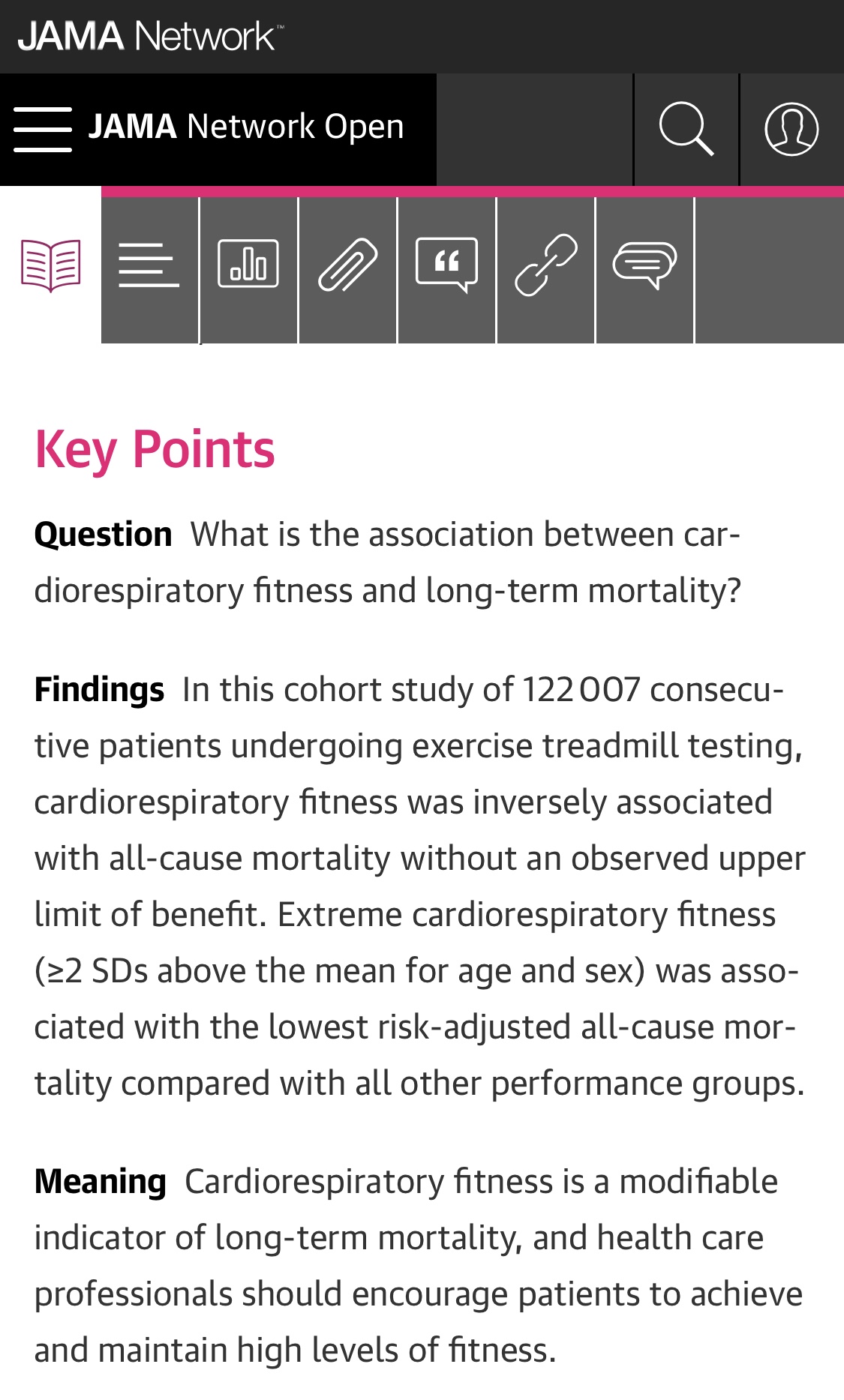
https://jamanetwork.com/journals/jamanetworkopen/fullarticle/2707428

Regular Exercise means Longer Life. If you live a sedentary lifestyle, you have a 500% risk of premature death compared with a regular active person. The risk of “no exercise” is worst than smoking and diabetes to health 😵

There is no limit to the benefits of exercise for good health and long life👍👍👍 #longlifewithexercise


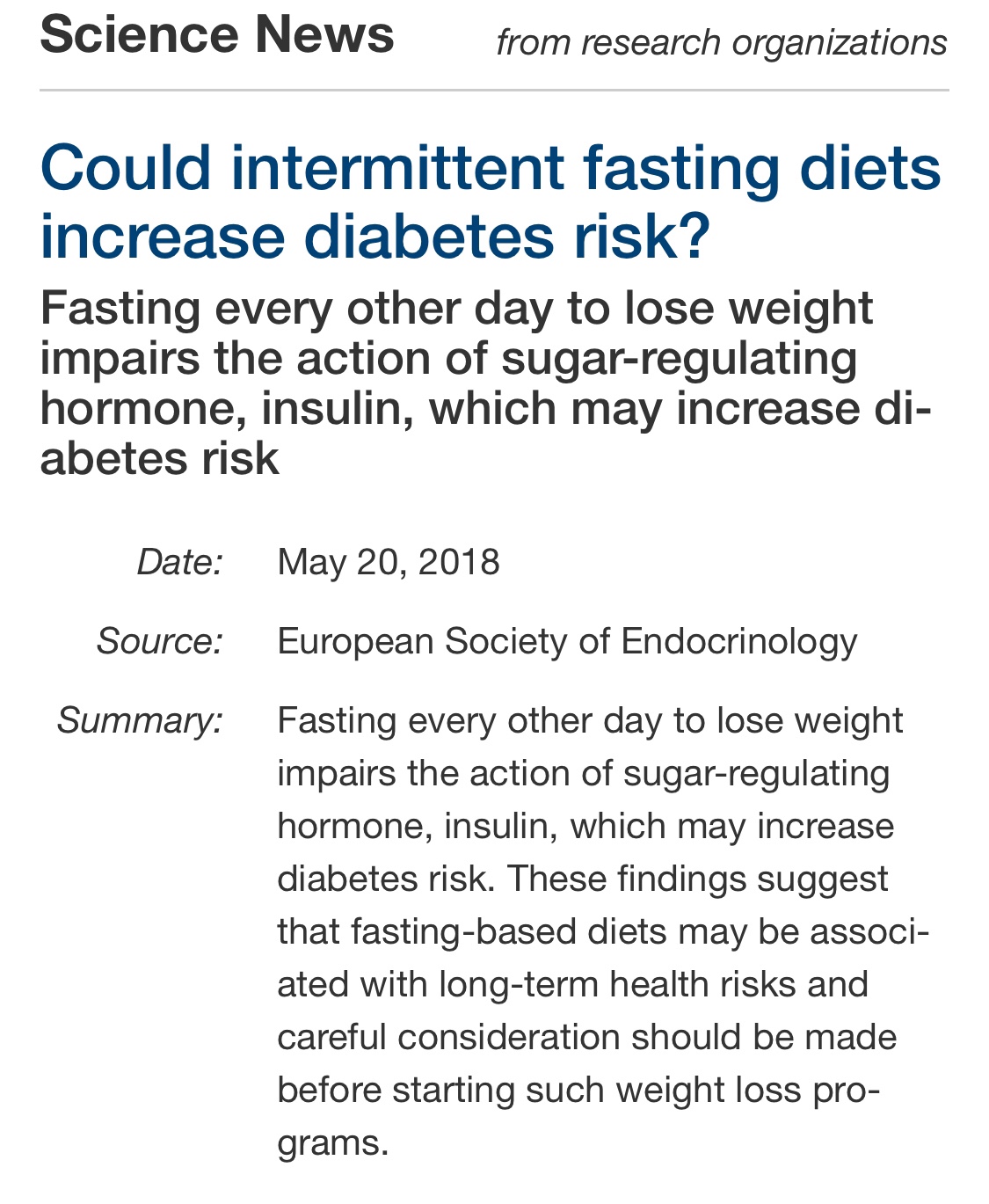
Is internittent fasting safe?

July 31, 2018

New data from University of Brazil shows that yes it may indeed make patients lose weight, but in the long run the production of free radicals due to fasting may instead damge the pancreas and result in developing diabetes, the disease we hope to prevent.

This data was presented at the recent 2018 European Society of Endocrinology Annual Meeting held in Barcelona…


Being Overweight Predicts Poor Health Outcome with Age

March 14, 2017

A recent study has come out from the recent Epidimeology and Preventive/Lifestyle and Cardiometabolic Health 2017 Scientific sessions showing that indeed Obesity in the youger age predicts future poor health outcomes.  At most what is affected is poor physical performance including poor walking speed and grip strength.

_____________________________________________

“To examine this, Vu and colleagues analyzed findings from participants the Chicago Healthy Aging study, a subset of the Chicago Heart Association Detection Project, which enrolled 39,565 participants from Chicago workplaces who were 18 to 74 during 1967–1973.

The researchers had complete data from 1325 men and women who were examined at baseline and again from 2007 to 2010.

The three measures of physical performance at follow-up were: hand-grip strength, 4-m walking speed, and the SPPB score—a composite score of 4-m walking speed, time to rise from a seated position, and standing balance, for a total score of 0 (worst) to 12 (best).

The participants were classed into six groups depending on their baseline BMI and change in weight after 39 years:

BMI >25 kg/m2; >10-pound weight loss (n=50).

BMI <25 kg/m2; 10-pound weight loss up to a 20-pound weight gain (n=319; reference group; minimal weight change).

BMI <25 kg/m2; >20-pound weight gain (n=312).

BMI >25 kg/m2; >10-pound weight loss (n=130).

BMI >25 kg/m2; 10-pound weight loss up to a 20-pound weight gain (n=300).

BMI >25 kg/m2; >20-pound weight gain (n=214).

About a quarter of the sample (29%) were women and 9% were black.

At follow-up, 10.3% of the participants had a low SPPB score (≤8); 8.4% had slow walking speed (<0.8 m/s on a 4-m course); and 23.8% had low sex-specific handgrip strength (<18 kg for women and <30 kg for men).

Compared with participants with a normal initial BMI and minimal weight change at the follow-up examination, those who were initially overweight and had gained the most weight (>20 pounds) were significantly more likely to have a low SPPB score, a slow walking speed, or low sex-specific handgrip strength (odds ratios 4.55, 4.58, and 1.86, respectively, after adjustment for sex, race, initial cardiovascular disease risk factors, and current age, education, ankle-brachial index, systolic blood pressure, total cholesterol, smoking status, diabetes, cholesterol, and blood-pressure medication use).

Similarly, compared with the reference group, those who were initially overweight or obese and lost less than 10 pounds or gained up to 20 pounds were significantly more likely to have a low SPPB score or a low sex-specific handgrip strength (ORs 2.11 and 1.59, respectively)”

_________________________________________

Bottom line is:

We better shape up and invest in our health for a better physical well being when old age comes!!!!


Diabetes Care in the Philippines

April 22, 2016

Screen Shot 2016-04-22 at 1.14.02 PMMy article on Diabetes Care in the Philippines is now published in the Annals of Global Health Volume 81, issue 6 November-December 2015. This is a thorough review of the kind of Diabetes Care the Philippines available to our countrymen.

_________________________________________

Diabetes Care in the Philippines

Gerry H. Tan, MD

Abstract
Background

Diabetes is increasing at an alarming rate in Asian countries including the Philippines. Both the prevalence and incidence of type 2 diabetes (T2D) continue to increase with a commensurate upward trend in the prevalence of prediabetes.

Objectives

The aim of this study was to review the prevalence of diabetes in the Philippines and to describe extensively the characteristics of diabetes care in the Philippines from availability of diagnostics tests to the procurement of medications.

Methods

A literature search was performed using the search words diabetes care and Philippines. Articles that were retrieved were reviewed for relevance and then synthesized to highlight key features.

Findings

The prevalence of diabetes in the Philippines is increasing. Rapid urbanization with increasing dependence on electronic gadgets and sedentary lifestyle contribute significantly to this epidemic. Diabetes care in the Philippines is disadvantaged and challenged with respect to resources, government support, and economics. The national insurance system does not cover comprehensive diabetes care in a preventive model and private insurance companies only offer limited diabetes coverage. Thus, most patients rely on “out-of-pocket” expenses, namely, laboratory procedures and daily medications. Consequently, poor pharmacotherapy adherence impairs prevention of complications. Moreover, behavioral modifications are difficult due to cultural preferences for a traditional diet of refined sugar, including white rice and bread.

Conclusions

Translating clinical data into practice in the Philippines will require fundamental and transformative changes that increase diabetes awareness, emphasize lifestyle change while respecting cultural preferences, and promote public policy especially regarding the health insurance system to improve overall diabetes care and outcomes.

Key Words
diabetes; diabetes care; Philippines; Southeast Asia; type 2 diabetes


International Clinician Award, 2015 by AACE in Nashville Tenessee…

May 22, 2015

From the AACE Press Release for the Annual Meeting, 2015 in Nashville Tenessee..

11355663_10206617855029120_949328722_n

Gerry H. Tan, MD, FACP, FACE, FPCP, FPSEDM, received the International Clinician Award during the American Association of Clinical Endocrinologists (AACE) 24th Annual Scientific & Clinical Congress in Nashville this week.

The International Clinician Award is given to an AACE member who is a clinical endocrinologist practicing outside of the United States in recognition of dedicated and compassionate care provided to patients with endocrine diseases. Recipients possess an exceptional knowledge and expertise in the field of clinical endocrinology and active advocacy AACE’s mission in both professional and public environments.

“Success is not measured by how many accolades one receives, but how complete one feels as a recognized endocrinologist being selected as this year’s recipient of the most prestigious International Clinician Award by the AACE,” said Dr. Tan. “I owe this recognition not only to my colleagues – especially my AACE-Philippines family, but most importantly to my patients who have taught me not only to become an astute compassionate clinician, but by being instrumental in molding me to be a better person, too.”

Dr. Tan practices in Cebu City, Philippines. In addition to his busy clinical practice, he finds time to teach medical students, endocrinology fellows and internal medicine residents at two major tertiary teaching institutions. He speaks at various public venues about wellness, diabetes and endocrine disorders and writes a monthly column for the Philippines’ FOOD Magazine.

After his internal medicine residency at New York Medical College, he performed his fellowship training in endocrinology, diabetes and metabolism at the Mayo Clinic Medical School in Rochester, Minnesota.

__________________________

About the American Association of Clinical Endocrinologists (AACE)
The American Association of Clinical Endocrinologists (AACE) represents more than 7,000 endocrinologists in the United States and abroad. AACE is the largest association of clinical endocrinologists in the world. A majority of AACE members are certified in endocrinology, diabetes and metabolism and concentrate on the treatment of patients with endocrine and metabolic disorders including diabetes, thyroid disorders, osteoporosis, growth hormone deficiency, cholesterol disorders, hypertension and obesity. Visit our site at http://www.aace.com.

About the American College of Endocrinology (ACE)
The American College of Endocrinology (ACE) is the educational and scientific arm of the American Association of Clinical Endocrinologists (AACE). ACE is the leader in advancing the care and prevention of endocrine and metabolic disorders by: providing professional education and reliable public health information; recognizing excellence in education, research and service; promoting clinical research and defining the future of Clinical Endocrinology. For more information, please visit http://www.aace.com/college.


The Health Benefits of Sauna Bathing

February 28, 2015

Suana has been touted as a habit that can prolong life by supposedly improving your bodys blood flow and aiding hemodynamic function. A recent study published in JAMA Feb 2015 seems to prove the theory right…..

————————-

Abstract

Importance: Sauna bathing is a health habit associated with better hemodynamic function; however, the association of sauna bathing with cardiovascular and all-cause mortality is not known.

Objective: To investigate the association of frequency and duration of sauna bathing with the risk of sudden cardiac death (SCD), fatal coronary heart disease (CHD), fatal cardiovascular disease (CVD), and all-cause mortality.

Design, Setting, and Participants: We performed a prospective cohort study (Finnish Kuopio Ischemic Heart Disease Risk Factor Study) of a population-based sample of 2315 middle-aged (age range, 42-60 years) men from Eastern Finland. Baseline examinations were conducted from March 1, 1984, through December 31, 1989.

Exposures: Frequency and duration of sauna bathing assessed at baseline.

Results: During a median follow-up of 20.7 years (interquartile range, 18.1-22.6 years), 190 SCDs, 281 fatal CHDs, 407 fatal CVDs, and 929 all-cause mortality events occurred. A total of 601, 1513, and 201 participants reported having a sauna bathing session 1 time per week, 2 to 3 times per week, and 4 to 7 times per week, respectively. The numbers (percentages) of SCDs were 61 (10.1%), 119 (7.8%), and 10 (5.0%) in the 3 groups of the frequency of sauna bathing. The respective numbers were 89 (14.9%), 175 (11.5%), and 17 (8.5%) for fatal CHDs; 134 (22.3%), 249 (16.4%), and 24 (12.0%) for fatal CVDs; and 295 (49.1%), 572 (37.8%), and 62 (30.8%) for all-cause mortality events. After adjustment for CVD risk factors, compared with men with 1 sauna bathing session per week, the hazard ratio of SCD was 0.78 (95% CI, 0.57-1.07) for 2 to 3 sauna bathing sessions per week and 0.37 (95% CI, 0.18-0.75) for 4 to 7 sauna bathing sessions per week (P for trend = .005). Similar associations were found with CHD, CVD, and all-cause mortality (P for trend ≤.005). Compared with men having a sauna bathing session of less than 11 minutes, the adjusted hazard ratio for SCD was 0.93 (95% CI, 0.67-1.28) for sauna bathing sessions of 11 to 19 minutes and 0.48 (95% CI, 0.31-0.75) for sessions lasting more than 19 minutes (P for trend = .002); significant inverse associations were also observed for fatal CHDs and fatal CVDs (P for trend ≤.03) but not for all-cause mortality events.

Conclusions and Relevance: Increased frequency of sauna bathing is associated with a reduced risk of SCD, CHD, CVD, and all-cause mortality. Further studies are warranted to establish the potential mechanism that links sauna bathing and cardiovascular health.

———-

Or those who frequent the sauna were also health buffs and have regular physical activity????

Whatever the final take of the study is….

Sauna is fun and healthy so enjoy!